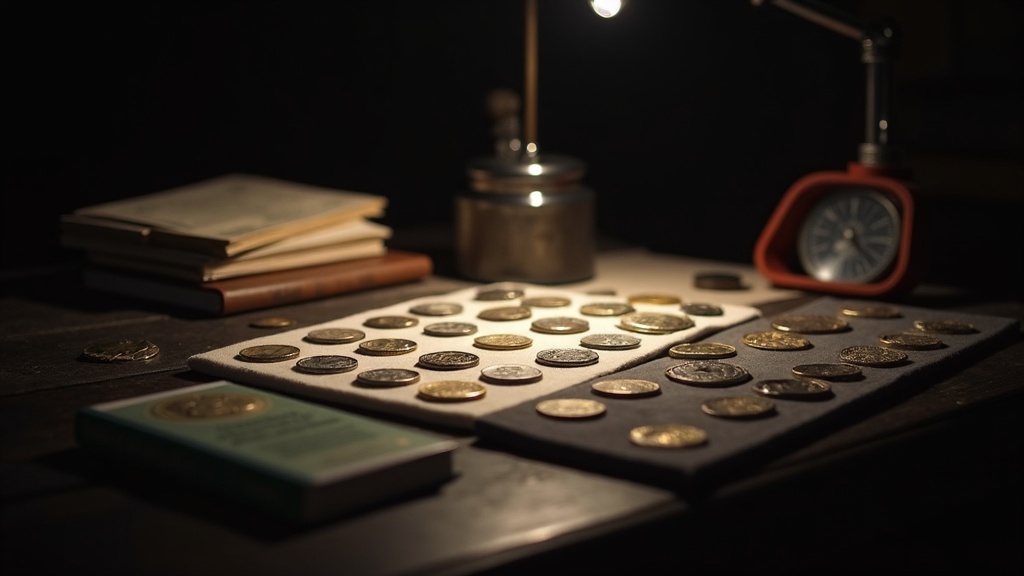
Coin show etiquette comes down to a few consistent habits: ask before touching, handle coins only by the edges over a soft surface, wait your turn at a table, and understand that browsing without buying is completely normal. Most shows are a mix of dealer tables, a bourse floor for walking and comparing, and sometimes club exhibits or a grading service drop-off table. Knowing the basic rhythm of the room helps first-time attendees feel comfortable and helps dealers do their job efficiently.
What a coin show actually is
A coin show is essentially a temporary marketplace where dealers rent tables to display and sell coins, currency, and bullion, and collectors come to browse, buy, sell, and trade. Shows range from small local gatherings in a community hall to large regional or national events with hundreds of tables. Many also include an educational component—club meetings, young collector programs, or exhibit cases showing off a themed collection. If you’re new to the hobby, a show is a good place to see in person the kinds of material discussed in general references, from world and ancient coins to US coins and history.
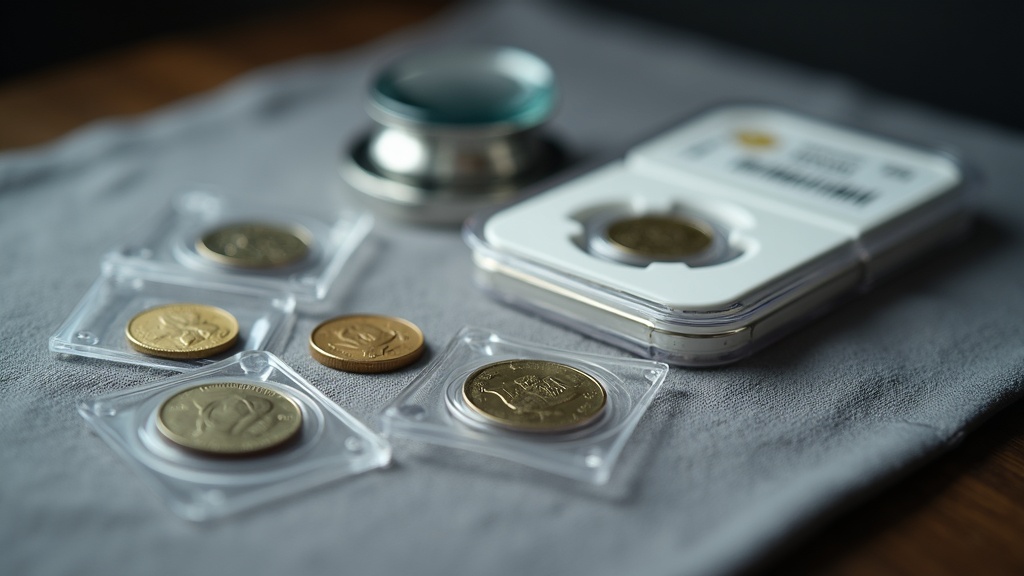
Tables are typically organized loosely by specialty: some dealers focus on US coins, others on world or ancient coins, and others primarily sell bullion products like modern gold and silver coins or bars. It’s common to see a mix of raw (unencapsulated) coins in flips or trays alongside coins already graded and sealed in protective holders by a third-party service.
Basic etiquette at the tables
Dealers spend money on table space and inventory insurance, and the etiquette that has developed at shows reflects that. A few habits go a long way:
- Ask before handling. Never pick up a coin from a display case or tray without asking the dealer first. Many dealers prefer to hand you the coin themselves.
- Handle coins by the edge. Fingerprints and oils can damage a coin’s surface. Hold coins over a felt pad or the dealer’s mat, not over a hard counter, in case you drop one.
- Don’t breathe or cough on coins. Moisture can cause spotting, especially on copper or uncirculated pieces.
- Wait your turn. If a dealer is helping someone else, it’s normal to wait quietly or come back later rather than interrupting.
- It’s fine to look without buying. Dealers expect browsing, and asking questions is a normal part of learning, not an obligation to purchase.
- Be upfront about your budget or interest. Telling a dealer you’re “just looking” or have a specific price range in mind helps them show you relevant material without wasted time on either side.
Negotiating and pricing conversations
Prices at coin shows are frequently negotiable, more so than in a retail store, but the amount of flexibility varies by dealer and by item. Bullion-priced items—coins and bars valued mainly for their metal content—tend to track a live spot price with a set premium, so there’s usually less room to negotiate on those than on a numismatic coin whose price reflects rarity, condition, and collector demand. Understanding what is generally called a numismatic premium can help explain why two coins with similar metal content might carry very different asking prices.
When a price is quoted, it’s reasonable to ask what the dealer bases it on—population data, recent sales they’ve seen, condition, or simply their own inventory cost. A dealer willing to explain their reasoning is generally easier to work with than one who avoids the question. If you’re new to buying from a table, it can help to review some general questions to ask a coin dealer before you go, so you’re not thinking of them for the first time under pressure.
Grading services and on-site submission
Larger shows sometimes host a table where you can submit coins to a third-party grading service for encapsulation and grading, either on-site or by mail through the show. This is a convenience, not an obligation, and it’s worth understanding generally what a grading service does and how the process works before committing a coin to it. Fees, turnaround times, and submission tiers vary, and these details are best confirmed directly with the service rather than assumed.
Buying, selling, and trading at a table
If you’re looking to sell or trade coins at a show, most dealers are happy to make an offer, though they are under no obligation to buy anything, and neither are you obligated to accept an offer. It’s common and accepted to get more than one opinion on a coin’s value before deciding to sell, especially for anything of meaningful rarity or size. Bringing reference material, checking auction results ahead of time, or reading a general overview of how coin auctions work can help you understand roughly how value is determined even if you don’t plan to auction the piece yourself.
For bullion transactions specifically, it helps to know the basics of how melt value is determined and how common bullion coin sizes and formats work, so you can follow along when a dealer explains their pricing structure rather than taking it on faith.
Recognizing high-pressure sales tactics
Most coin show dealers are professionals who want repeat customers and a good reputation, and the vast majority of interactions are low-key and informational. That said, this niche does attract some high-pressure tactics, particularly around bullion and retirement-account pitches. Warning signs worth knowing about include:
- Urgency framing suggesting a price or “deal” will disappear within minutes.
- Dismissing questions about markup, spot price, or grading as unnecessary or rude to ask.
- Pushing a specific storage arrangement or account structure before you’ve had time to think it over.
- Fear-based messaging about currency collapse used to rush a decision.
A legitimate dealer generally doesn’t need high pressure to make a sale, and it is entirely reasonable to say you want to think it over, get a second opinion, or seek an independent appraisal before a large purchase. Walking away and coming back later—or not at all—is always an option.
Practical tips for a smoother visit
- Bring a loupe if you have one, along with a notepad or phone to jot down items you’re considering.
- Wear a bag or wallet you can keep close, since shows can get crowded.
- Eat and hydrate before diving in—many shows run for hours and it’s easy to lose track of time.
- If you’re new to the hobby generally, spending time with basic identification concepts before the show, such as those covered in coin basics and identification resources, makes table conversations easier to follow.
- Take breaks to walk the floor and compare prices across multiple tables before committing to any single purchase.
Frequently asked questions about coin show etiquette
Do I have to buy something if a dealer shows me a coin?
No. Dealers expect browsing and questions as a normal part of the show, and taking a coin out to show you does not create any obligation to purchase. It’s polite to say thank you and move on if it isn’t what you’re looking for.
Can you negotiate prices at a coin show?
Often yes, especially on numismatic coins where price reflects condition and rarity rather than pure metal content. Bullion items tied closely to live spot price tend to have less room for negotiation, though asking about the premium structure is generally welcome.
Is it rude to walk away without buying anything?
Not at all. Walking away, saying you want to think it over, or seeking a second opinion is completely normal and accepted etiquette, particularly before a larger purchase.
What should I bring to my first coin show?
A loupe if you have one, cash and a payment method accepted by dealers, a notepad or phone for notes, and comfortable shoes. Some basic familiarity with grading terms and pricing concepts also makes conversations easier to follow.
How do I know if a dealer is using high-pressure tactics?
Watch for urgency language, dismissiveness toward your questions, and fear-based framing about currency or the economy. A dealer who allows you time, answers questions plainly, and doesn’t object to you seeking a second opinion is behaving typically for the trade.
Gold Coins Today publishes general information about coin collecting and precious metals, not financial, investment, tax or legal advice. We are writers and editors, not certified numismatists, appraisers, financial advisors or dealers. Coin and bullion values change constantly and depend on condition, authenticity and the current market — get a current appraisal or spot price from a qualified, reputable source before buying or selling, and consult a licensed financial advisor before treating precious metals as part of an investment strategy.
Related reading
How Coin Auctions Work: A Beginner’s Guide, Questions to Ask Before Buying From a Coin Dealer, What Constitutional Silver Means & Where It Comes From.