What Constitutional Silver Means & Where It Comes From

Constitutional silver refers to pre-1965 US coins that were 90% silver. Here’s what the term means and why it’s called that.
Coin values, grading, and precious metals investing explained simply
Constitutional silver refers to pre-1965 US coins that were 90% silver. Here’s what the term means and why it’s called that.
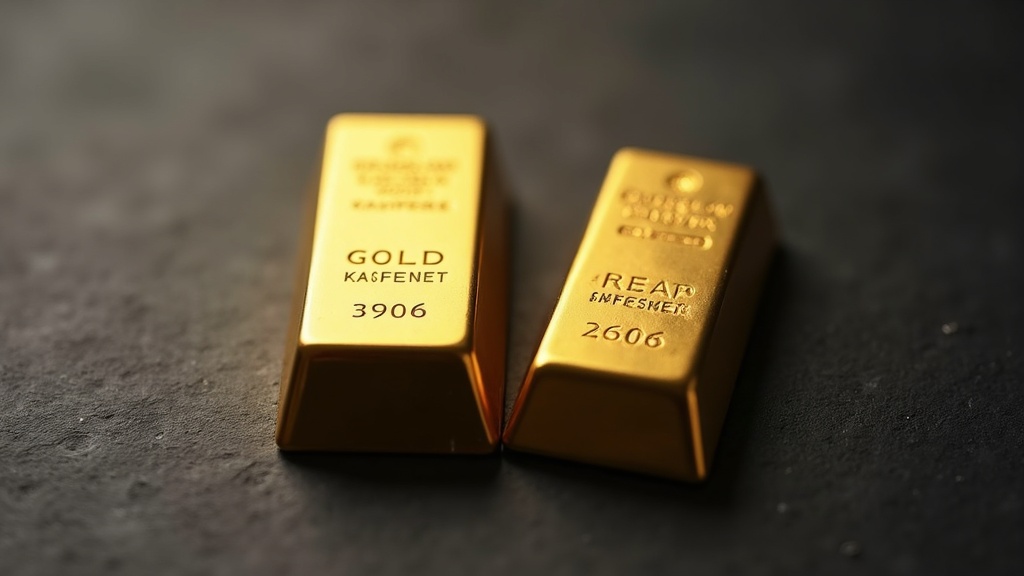
Fine gold is (near) pure gold; alloyed gold is mixed with other metals for strength and color. Here’s how the two actually differ.
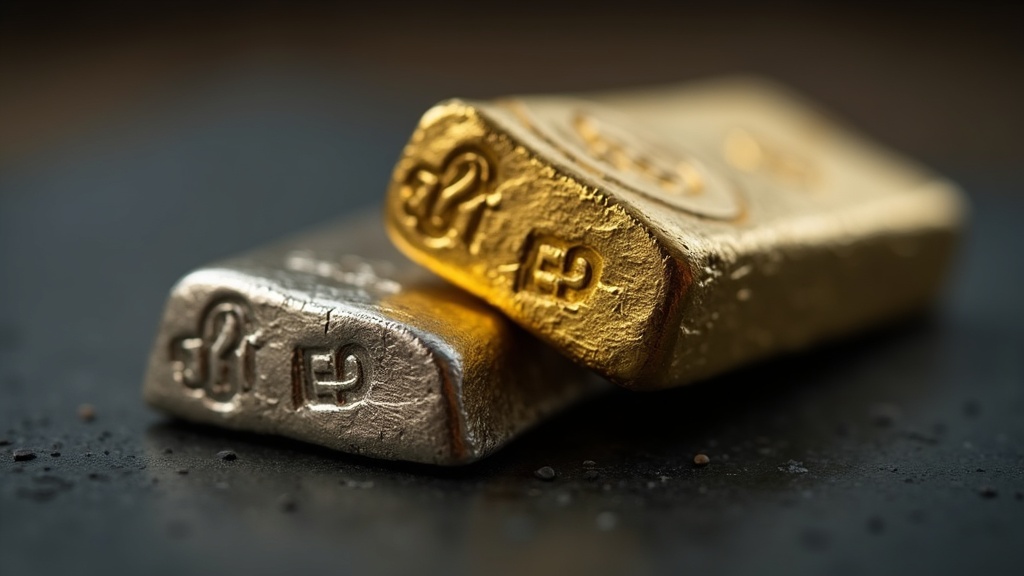
Hallmarks and assay marks stamp purity, origin and maker onto gold and silver. Here’s what they mean and how to read them.

Learn the basic checks people use to spot fake gold coins and bars, and why a professional appraisal matters before any purchase.

A plain-language guide to 1 oz, fractional and gram bullion coin sizes, how they’re measured, and why smaller sizes cost more per ounce.

A numismatic premium is the amount a coin’s price exceeds its raw metal value. Here’s what causes it and how to think about it.
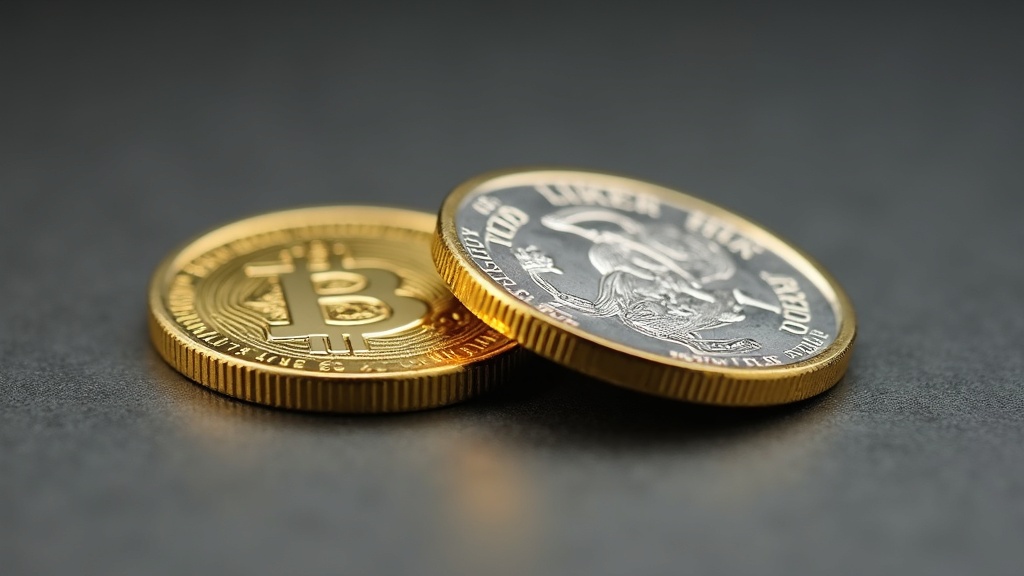
A plain-language look at how mints strike bullion coins versus collector coins, and why the differences affect condition, cost and appeal.

How platinum and palladium bullion coins work, how they differ from gold and silver, and what affects their value.

Melt value depends on metal content, purity, weight, and live spot prices. Here’s how these factors combine and where to check current figures.
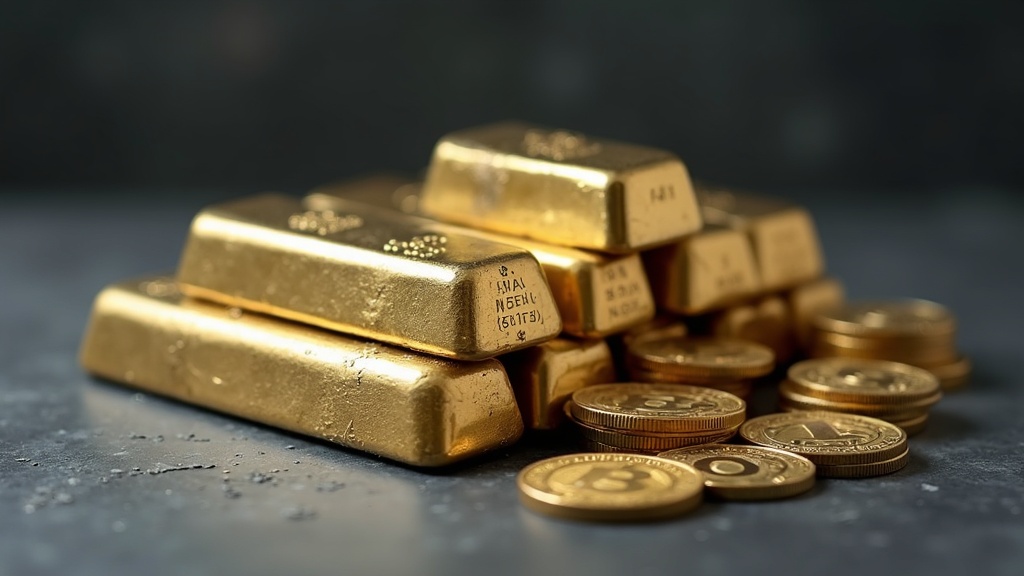
Bullion coins and bars both hold precious metal, but they differ in form, premiums, liquidity and verification. Here’s how to compare them.
About what you read here. Everything on Gold Coins Today is general information and our own editorial opinion. We research carefully and we say when the evidence is unclear, but we can be wrong, things change, and no article can know your particular situation. Please do your own research and make your own judgement rather than treating anything here as the final word. This is not financial, legal or tax advice. Rules, prices and figures around coins and precious metals vary by country and change without notice, and we do not publish specific numbers for that reason. Before committing money, confirm the current position with an adviser who is qualified in your jurisdiction and independent of anyone selling to you.