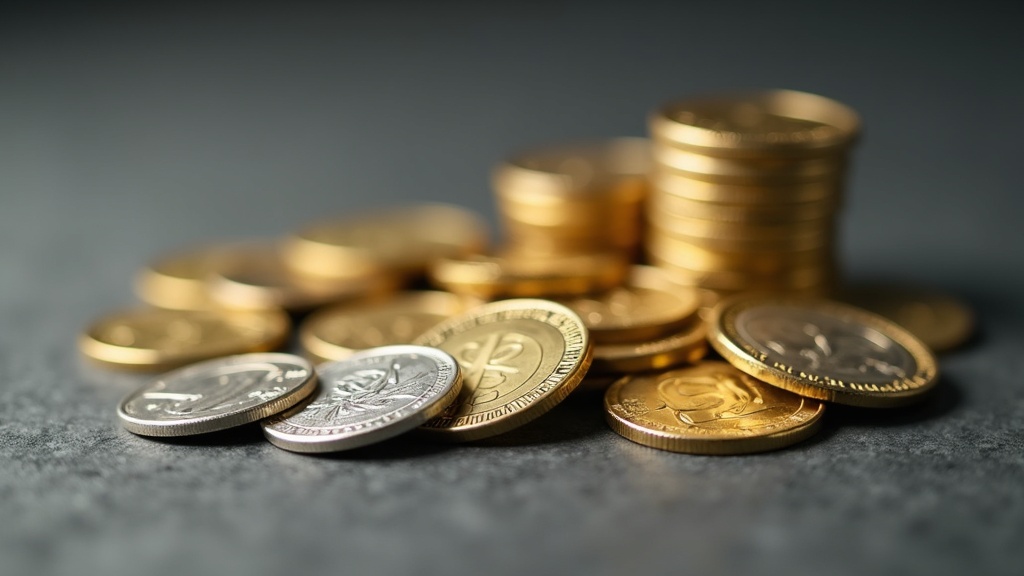
A numismatic premium is the difference between what a coin sells for and the value of the raw metal it contains. It exists because factors like rarity, condition, historical significance, design, and collector demand can make a coin worth more to buyers than its melt value alone. Some coins carry almost no premium, while others trade at many times their metal content because of scarcity or desirability. Understanding this premium helps explain why two coins made of the same metal can have very different prices.
Breaking down the price of a coin
Every coin made of precious metal has a baseline value tied to its weight and purity — often called melt value. This is the figure that moves with the live spot price of gold, silver, platinum, or palladium. But almost no coin actually sells for exactly that number. Dealers, mints, and collectors add or subtract value based on other factors, and the resulting gap above melt value is the numismatic premium.
For a plain bullion coin fresh from a mint, the premium might simply cover the cost of manufacturing, distribution, and dealer margin. For a rare historic coin in exceptional condition, the premium can dwarf the metal value entirely, because collectors are paying for something other than the metal — they’re paying for scarcity, history, or eye appeal. If you want to understand the metal-value side of this equation more closely, what determines a coin’s melt value is a useful starting point before thinking about premiums at all.
Why premiums exist in the first place
A premium isn’t an arbitrary markup — it reflects real costs and real scarcity. A few of the main drivers:
- Minting and distribution costs. Striking a coin, even a modern bullion piece, costs more than simply refining metal into a bar. Design work, striking pressure, quality control, and distribution through authorized dealers all add cost before a coin reaches a buyer.
- Rarity and survival rate. Coins that were minted in small numbers, or that saw heavy circulation and melting over time, become scarce. Fewer surviving examples mean more competition among collectors for the ones that remain.
- Condition and grade. A coin graded and preserved in exceptional condition is harder to find than a well-worn example, so the premium widens as the grade climbs. This is part of why what coin grading means matters so much to how a coin is priced.
- Historical or cultural significance. Coins tied to a notable event, era, or design change often attract collector interest beyond their raw scarcity, simply because of the story they carry.
- Collector demand. Even among coins with similar mintage figures, some series attract more sustained collector interest than others, and that demand shows up in the premium.
Bullion premiums vs. collector premiums
It helps to separate two related but distinct ideas. A bullion premium is the modest markup on a modern, mass-produced coin like an American Gold Eagle or Canadian Maple Leaf — it mainly reflects minting, dealer, and market costs, and tends to move in a fairly predictable band relative to spot price. Learning how these are produced is covered in how bullion coins are minted vs. collector coins, which explains why mass-market bullion coins are made differently from limited-run collector issues.
A numismatic premium in the fuller sense applies more to coins collected for their rarity or history rather than their metal content. A well-preserved Morgan silver dollar in an appealing grade, for instance, may be valued far more for its date, mint mark, and condition than for the silver it contains. The same is true of many older gold issues, ancient coins, or coins tied to short-lived historical circumstances — see, for example, coins covered in collecting World War era emergency money and tokens, where historical context often matters more than the metal itself.
Where grading fits in
Third-party grading plays a large role in how numismatic premiums are established, because it gives buyers a standardized, independent opinion of a coin’s condition. A coin’s grade, along with how many similar examples are known to survive at that grade, directly shapes how large a premium collectors are willing to pay. If you’re curious how this process works, what grading services actually do and how coin population reports work both explain the mechanics behind the numbers that often accompany a graded coin’s price.
Why premiums vary so much between coins
Two coins can share the same metal content and still carry very different premiums. A common-date coin in circulated condition might trade close to its melt value, while a key date in the same series — meaning a year or mint mark that was produced in unusually small numbers or has poor survival — can carry a substantial premium purely because of scarcity. This concept is explored further in what a key date coin is and why it matters. Design and era matter too: coins from historically significant periods, such as those discussed in Roman Republic vs. Empire coins or medieval European coinage, are valued in a marketplace shaped by centuries of scholarship, documented history, and collector tradition, not simply by weight.
Reading a premium as a buyer
When you see a coin priced above melt value, it’s worth asking what’s actually driving that number. Is it a small, standard markup for a widely produced bullion coin? Or is it a premium tied to genuine rarity, certified grade, and documented demand? Neither is inherently good or bad — they simply reflect different reasons someone might want to own a coin. A large, unexplained premium on a coin that isn’t graded or independently authenticated is a reasonable point to pause and ask more questions, or to seek a second opinion before committing to a purchase.
This is also where predatory sales tactics tend to appear. High-pressure pitches — urging an immediate purchase, invoking economic panic, or claiming a coin is a guaranteed path to gains — are a signal to slow down. Reputable dealers explain pricing, answer questions patiently, and don’t rush a buyer into a decision. An independent appraisal or a second opinion is a reasonable step before any large purchase, regardless of how confident a seller sounds.
If you’re just getting oriented in the hobby, the coin basics and identification archive and the precious metals and bullion archive are good places to build a general vocabulary before evaluating any specific coin’s premium.
Frequently asked questions about numismatic premiums
What does numismatic premium mean on a coin?
It refers to the amount a coin’s price exceeds the value of its raw metal content. That extra amount reflects factors like rarity, condition, grade, historical significance, and collector demand rather than the metal itself.
Why do some gold coins cost more than the gold spot price?
Minting costs, distribution, dealer margins, and — for collector coins — rarity and condition all add value beyond raw metal content. A live spot price only reflects metal value, not the added cost of producing or collecting an actual coin.
Do all coins have a numismatic premium?
Most do, though the size varies widely. A mass-produced modern bullion coin usually carries a modest premium tied to production costs, while a rare, historically significant, or highly graded coin can carry a premium many times its metal value.
How can I tell if a premium is reasonable?
Compare the coin’s price to independently reported values for similar coins in similar condition, consider whether it’s professionally graded, and ask what specifically justifies the premium. An independent appraisal is a reasonable step if the reasoning isn’t clear.
Does a numismatic premium go away if I sell the coin?
Not necessarily — a buyer may pay a similar or different premium depending on current demand, the coin’s condition, and market conditions at the time. Premiums fluctuate with collector interest and aren’t fixed or guaranteed to hold.
Gold Coins Today publishes general information about coin collecting and precious metals, not financial, investment, tax or legal advice. Articles on this site are drafted with AI assistance (see our editorial policy) and are not written or reviewed by certified numismatists, appraisers, financial advisors or dealers. Coin and bullion values change constantly and depend on condition, authenticity and the current market — get a current appraisal or spot price from a qualified, reputable source before buying or selling, and consult a licensed financial advisor before treating precious metals as part of an investment strategy.