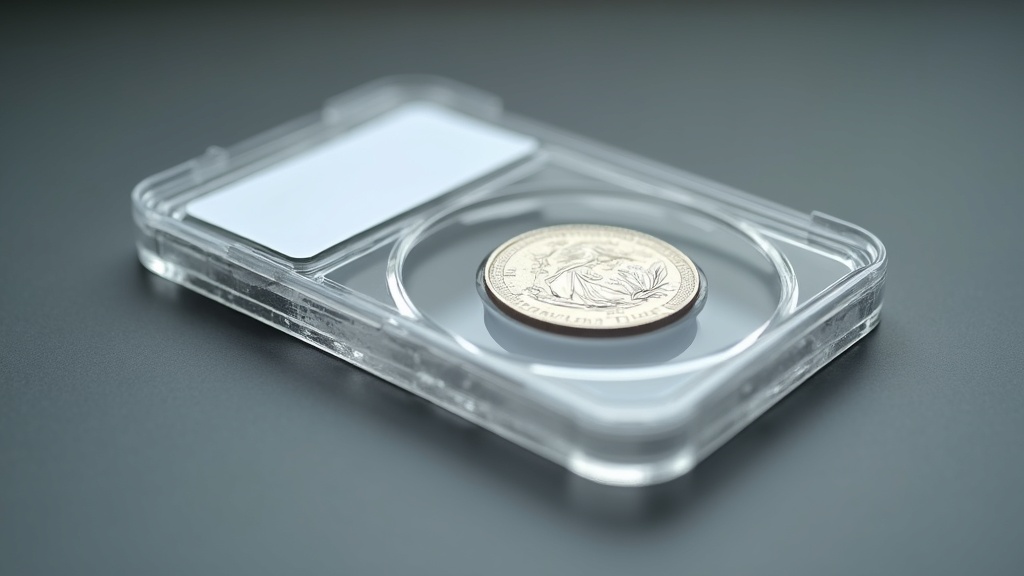
Third-party grading services examine a coin, determine whether it is genuine, assign it a numerical condition grade using an established scale, and then seal it in a tamper-evident plastic holder along with a label listing that information. In short, they combine authentication with standardized grading and physical protection — they do not set a coin’s dollar value, and they do not guarantee future price movement.
For anyone new to the hobby, or anyone who has been handed a sales pitch built around a “professionally graded” coin, understanding exactly what happens inside that plastic holder — and what doesn’t — is one of the most useful things to learn before spending any money.
The basic steps a submitted coin goes through
While each company has its own internal workflow, most third-party grading follows a similar general sequence:
- Intake and identification. The coin is logged, matched to its declared date, denomination, and mint mark, and checked against the submission paperwork.
- Authentication. Trained graders inspect the coin for signs it is not a genuine issue — altered dates or mint marks, cast reproductions, added mint marks, or other manipulation. This step is arguably the core service being paid for.
- Grading. If the coin passes authentication, one or more graders assess its condition — strike quality, wear, luster, marks, and eye appeal — and assign a grade, typically using the numeric Sheldon scale alongside descriptive terms.
- Encapsulation. The coin is sealed into a hard plastic holder, often called a “slab,” with a label showing the grade, variety or designation, and a unique certification number.
- Population recording. The certified coin is added to that service’s internal database, which tracks how many examples of a given coin have received each grade.
If you’re unfamiliar with how condition assessment itself works, it helps to first understand what coin grading actually means before looking at how a third party formalizes it.
Authentication: the part people underestimate
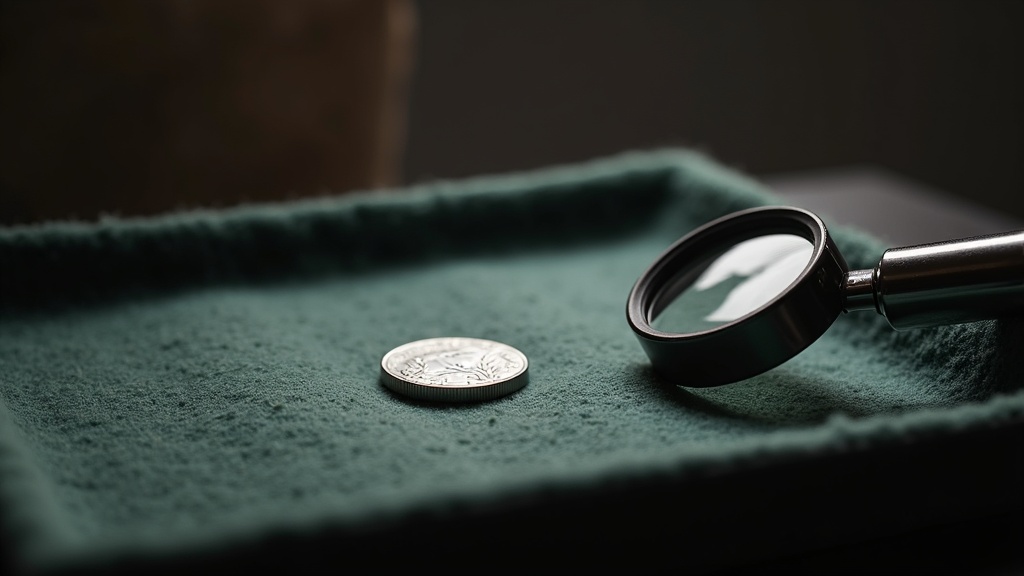
Counterfeiting and alteration are old problems in numismatics, and they range from crude to genuinely sophisticated. A grader trained to spot these issues is looking at things like metal flow lines, edge devices, weight and dimension tolerances, and telltale signs of tooling around a date or mint mark. This authentication step is why many collectors and dealers treat encapsulation as meaningful — it’s a second set of trained eyes confirming the coin is what it claims to be, separate from the seller’s own claims.
It’s worth being clear about what this is not: it is not an appraisal of investment merit, and it is not a promise that the coin will hold or increase in value. A slab confirms authenticity and condition at the time of grading — nothing more.
Grading: applying a shared scale, not a personal opinion
Grading services use standardized scales so that a “MS-65” or “AU-58” means roughly the same thing regardless of who submitted the coin. If those abbreviations are unfamiliar, the difference between MS, AU, and XF grade abbreviations is a good starting point, and the numeric side of that system is explained in more depth in our overview of the Sheldon coin grading scale.
Grading still involves human judgment. Two experienced graders can occasionally land on adjacent grades for the same coin, which is why some services use multiple graders per coin and offer review or resubmission processes. A grade is a professional assessment at a point in time, not an immutable fact — and it is not something this site is positioned to perform or verify independently.
Attribution and special designations
Beyond the base grade, services often note additional details on the label: whether a coin is a proof or business strike (see proof coins vs. business strikes for that distinction), whether it carries a recognized error or variety, and sometimes a specific attribution number for well-known varieties. Background on how those are identified is covered in our pieces on coin error types and coin varieties.
What population reports are — and aren’t
Every certified coin gets logged into the grading service’s population report, a running tally of how many coins of a given date, mint mark, and grade have been certified by that company. These reports are a genuinely useful research tool, but they have real limitations: they only reflect coins submitted to that specific service, the same coin can be resubmitted multiple times and counted more than once, and they say nothing directly about current demand or price. Our explainer on how coin population reports work goes into these caveats in more detail, which matters especially for anyone hearing a “low population” figure used as a sales argument.
What the label does not tell you
A grading label is not a certificate of investment quality, and a high grade does not by itself make a coin rare — that also depends on how many were minted and how many survive in similar condition, which is part of what makes certain key date coins significant within a series. A slab also doesn’t disclose why a coin looks the way it does; a coin that has been improperly cleaned, for instance, may be graded lower or given a “details” designation rather than a numeric grade, which is one reason it helps to understand how to tell if a coin has been cleaned even when buying something already encapsulated.
It’s also worth remembering that third-party grading is a paid service performed by private companies, not a government function, and different services can occasionally reach different conclusions on the same coin. That doesn’t make grading unreliable — it just means a slab is strong supporting evidence, not an unquestionable verdict.
Why this matters if you’re being pitched a coin
Encapsulated, professionally graded coins are frequently used in marketing precisely because a slab looks official and reassuring. That’s a reasonable thing for a buyer to like about a coin, but it’s not a substitute for doing your own homework. Legitimate dealers do not need high-pressure tactics, artificial deadlines, or fear-based framing about currency collapse to sell a coin on its own merits. Before any significant purchase — graded or not — getting a second opinion or an independent appraisal from someone with no stake in the sale is a reasonable and normal step, not an insult to the seller.
If you’re just starting to learn the vocabulary of grading, condition, and identification, our coin basics and identification hub is a good place to build that foundation before evaluating any specific coin or offer.
Frequently asked questions about third-party grading services
Is a coin worth more just because it’s been graded?
Grading can support a coin’s value by confirming authenticity and condition, which buyers often pay a premium to trust, but the grade itself doesn’t create rarity or demand. Actual value depends on the coin’s true rarity, condition, and current market interest — check a live, reputable source for current figures.
Can I trust the grade on a slab without question?
A grade from an established third-party service reflects trained review under a standardized scale, which is generally reliable, but grading involves human judgment and services occasionally differ. Treat it as strong evidence, and get an independent opinion before a major purchase if you have doubts.
What’s the difference between grading and authentication?
Authentication confirms a coin is genuine and not altered or counterfeit; grading assesses its physical condition on a standardized scale. Third-party services generally perform both steps together, but they answer two different questions about the same coin.
Do grading services set coin prices?
No. Grading services certify authenticity and assign a condition grade; they don’t set or guarantee prices. Market value comes from factors like rarity, demand, and condition, and it’s best confirmed through a current appraisal or live pricing from a reputable source.
Why would a coin come back with a “details” grade instead of a number?
A “details” designation usually means the coin is genuine but has an issue affecting its market appeal, such as cleaning, damage, or a repair, so it isn’t assigned a standard numeric grade. It’s worth understanding what caused that designation before deciding what it means for the coin.
Gold Coins Today publishes general information about coin collecting and precious metals, not financial, investment, tax or legal advice. We are writers and editors, not certified numismatists, appraisers, financial advisors or dealers. Coin and bullion values change constantly and depend on condition, authenticity and the current market — get a current appraisal or spot price from a qualified, reputable source before buying or selling, and consult a licensed financial advisor before treating precious metals as part of an investment strategy.