The Sheldon Coin Grading Scale is a numerical system running from 1 to 70 that describes a coin’s condition, with 1 representing a coin barely identifiable as to type and 70 representing a flawless coin under magnification. Higher numbers generally correspond to less wear, stronger original luster, and fewer marks or defects. It’s the backbone of how most US coins are described today, whether by hobbyists eyeballing a coin at a show or by third-party services that seal coins in plastic holders with a grade printed on the label.
If you’re new to the hobby, it helps to first understand what coin grading actually means before diving into the numbers themselves — grading is ultimately a structured way of describing wear and quality, not a guarantee of value.
Where the scale came from
The scale is named after William Sheldon, a numismatist who developed it in the mid-20th century originally to rank large cents. His original idea tied grade numbers loosely to price ratios of the era, but that pricing logic has long since been dropped. What survives is the 1-70 numerical framework, which the hobby adapted and extended to cover all US coins. Over decades, organizations such as the American Numismatic Association helped formalize written standards so that a “very fine” or “extremely fine” coin means roughly the same thing to different graders, even though some judgment always remains involved.
How the numbers break down
The scale is generally divided into a few broad zones. Coins with heavy, even wear across all their design elements sit at the low end. As wear decreases and detail sharpens, the grade climbs. Coins that never entered circulation occupy the top tier, and within that tier, small differences in surface preservation, strike quality, and eye appeal separate one grade from the next.
| Grade range | Common description | What it generally indicates |
|---|---|---|
| 1–3 | Poor / Fair | Barely identifiable design, heavy wear or damage |
| 4–12 | Good to Very Good | Major details visible but flattened by wear |
| 15–35 | Fine to Very Fine | Moderate wear, most details still distinct |
| 40–58 | Extremely Fine to About Uncirculated | Light wear on the highest points only |
| 60–70 | Mint State / Uncirculated | No wear from circulation; graded on marks, luster, and strike |
Within the Mint State range (60–70), a coin hasn’t necessarily been touched by circulation, but it can still have manufacturing marks, contact marks from bumping against other coins, or a weak strike, all of which pull the number down from a theoretical 70. A coin graded MS-70 is considered essentially perfect under magnification at standard viewing power, which is rare for anything other than modern coins struck and handled with extra care.
Why grading involves judgment, not just measurement
It’s tempting to think of a grade as an objective measurement, like a coin’s diameter or weight. In practice, grading blends measurable wear with more subjective calls about eye appeal, toning, and how a coin’s marks are distributed. Two experienced graders looking at the same coin can occasionally land a point or two apart, which is one reason the same coin submitted twice to a grading service doesn’t always come back with an identical number. This isn’t a flaw unique to the Sheldon scale — it’s inherent to describing a physical object’s condition in words and numbers at all. Understanding this variability is part of understanding what grading is actually trying to accomplish in the first place.
Circulated versus uncirculated: the basic split
Before getting into the finer points of the numerical scale, it helps to separate coins into two broad camps. Circulated coins passed through commerce and show wear consistent with handling, and their grade reflects how much detail that wear has removed. Uncirculated coins never entered general circulation as money and are graded instead on surface quality, luster, and strike sharpness. This basic split matters because a beginner comparing two coins of very different histories — one a well-worn pocket-change survivor, the other a coin set aside from a mint roll — is really comparing two different grading logics, even though both use the same 1-70 scale.
Third-party grading and holders (“slabs”)
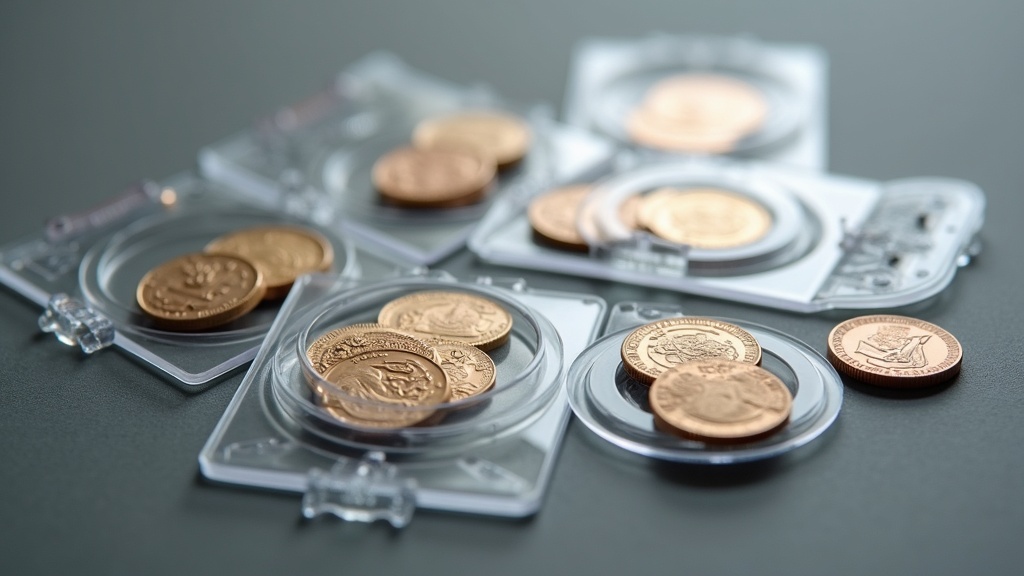
Many collectible coins today are graded by independent, third-party grading services, which examine a coin, assign it a number on the Sheldon scale, and seal it in a tamper-evident plastic holder often called a “slab.” This process is meant to add a layer of consistency and authentication beyond what an individual buyer or seller might judge alone. It’s worth understanding that a grade on a holder reflects one service’s assessment at one point in time — it is not a certificate of value, and reasonable graders can disagree at the margins. Before making any significant purchase based on a graded coin, a second opinion or an independent appraisal from a qualified source is a reasonable step, not an insult to the seller.
How grade relates to value — and what it doesn’t tell you
Grade is one of several factors that influence how collectors and dealers think about a coin, alongside rarity, mint mark, historical demand, and for bullion-related coins, metal content. A higher grade generally signals better preservation, which many collectors value, but grade alone doesn’t set a price — market demand for that specific date, mint mark, and type matters enormously too. This is also why learning to read the date and mint mark on a US coin is a useful companion skill to understanding grade: two coins with an identical numerical grade can have very different levels of collector interest depending on which mint struck them and how many survive. For any current sense of what a specific coin might be worth, the only reliable path is a current appraisal or live pricing information from a qualified, reputable source — not a number pulled from an old book or a rough online estimate.
A note on pressure tactics
Because grading terminology sounds precise and technical, some sellers lean on grade numbers to create urgency — implying that a high grade alone justifies an immediate purchase or that a coin is a guaranteed opportunity. Legitimate dealers and grading services don’t need high-pressure framing to make their case. If you ever feel rushed into a purchase because of a grade, a “limited time” claim, or fear-based messaging about the economy, it’s entirely reasonable to slow down, ask questions, and get an independent second opinion before committing any money.
Getting comfortable with the basics
If the Sheldon scale still feels abstract, the most useful next step is simply handling coins in person — at a local coin club, show, or through a loupe at home — and comparing how wear looks at different grade levels described in reference guides. Building this visual vocabulary, alongside the broader material in our coin basics and identification hub, will do more for your confidence than memorizing the numbers alone. For readers just getting oriented on the site generally, our introductory post outlines what this publication covers and how we approach the hobby.
Frequently asked questions about the Sheldon coin grading scale
What does a coin grade of 70 mean?
A grade of 70 is the top of the Sheldon scale and describes a coin considered essentially perfect under standard magnification, with no visible wear, marks, or strike weaknesses. It’s an uncommon grade, more often seen on modern coins handled carefully from the moment they were struck.
Is a higher coin grade always more valuable?
Not automatically. Grade is one input among several, including rarity, mint mark, and collector demand for that specific coin. A high grade on a common coin may draw less interest than a modest grade on a scarce one, which is why current appraisals matter more than grade alone.
Can I grade my own coins accurately at home?
You can learn to estimate a general range using reference photos and a loupe, and it’s a genuinely useful skill. But precise grading takes practiced comparison across many coins, and a formal opinion from a qualified grading service or experienced numismatist carries more weight for buying or selling decisions.
What’s the difference between circulated and uncirculated grades?
Circulated grades (roughly 1–58) describe coins that show wear from being used as money, judged by how much detail remains. Uncirculated or Mint State grades (60–70) describe coins that never entered circulation, judged instead on surface marks, luster, and strike quality.
Do all coin dealers use the Sheldon scale the same way?
Most US dealers and grading services reference the same 1-70 framework and published standards, but individual judgment still plays a role, so grades can vary slightly between graders. That’s a normal part of grading, not evidence of dishonesty, though it’s still reasonable to seek a second opinion on higher-value coins.
Related reading
Common Coin Collecting Mistakes Beginners Make.
Gold Coins Today publishes general information about coin collecting and precious metals, not financial, investment, tax or legal advice. We are writers and editors, not certified numismatists, appraisers, financial advisors or dealers. Coin and bullion values change constantly and depend on condition, authenticity and the current market — get a current appraisal or spot price from a qualified, reputable source before buying or selling, and consult a licensed financial advisor before treating precious metals as part of an investment strategy.