Three things decide what a coin is: metal, rarity and condition
Every coin sits somewhere between two poles. At one end is a piece of precious metal whose worth tracks the gold or silver inside it. At the other is a collectible whose worth comes from how scarce it is, how well it has survived and how many people want it. Most of the confusion in this field, and most of the bad deals, come from mixing up those two logics. Numismatic value versus bullion value is the distinction to learn first, because it tells you which questions matter for the coin in front of you.
Rarity is less obvious than it sounds. An old coin is not automatically a scarce one: some series were struck in huge numbers for decades, while a single year from a single mint can be hard to find. That is the idea behind a key date coin, the hard-to-find issue that anchors a set. Small differences from the dies also matter. Coin varieties are consistent differences within one issue, and error types such as doubled dies are mistakes made during striking. Both depend on reading a coin closely, starting with the date and mint mark. On American coins, a small letter such as D for Denver or S for San Francisco records where the coin was struck, and that letter can separate a common coin from a scarce one of the same date.
How a coin was made matters too. Proof coins and business strikes start from the same design but are produced very differently: proofs are struck more than once on specially polished blanks for collectors, while business strikes are made for circulation.
Grading: a shared language for condition
Grading is how collectors describe condition precisely enough that two strangers can agree on it. What coin grading actually means comes down to wear, surface quality, strike and eye appeal, judged under consistent lighting. The American system uses the Sheldon grading scale, which runs from 1 for a barely identifiable coin to 70 for a flawless one, with the upper range reserved for coins that never circulated. The letter prefixes you see in listings, MS, AU and XF, are shorthand for bands on that scale: mint state, about uncirculated and extremely fine.
Who does the grading, and what the plastic means
Anyone can call a coin “uncirculated.” A grade from an independent service carries more weight because the grader has no stake in the sale. What third-party grading services actually do is authenticate the coin, assign a grade and seal it in a tamper-evident holder, the process known as slabbing a coin. A grade is still a judgment, not a measurement, and services can disagree. Population reports count what has been submitted for grading, not what exists.
The mistake that cannot be undone
The most common way to damage a coin is to clean it. Polishing, dipping or rubbing strips the original surface, and trained eyes can see the fine hairlines and unnatural shine it leaves behind. How to tell if a coin has been cleaned shows what to look for, and why you should never clean a collectible coin explains why the damage is permanent. The color that silver and copper take on over time is a different matter: what causes toning covers the chemistry, and why many collectors prefer a naturally toned surface to a bright one.
Bullion follows the metal; collector coins follow the market for that coin
A bullion coin is made to carry a known weight of metal at a known purity. Purity is written as fineness or karats, and gold purity, karats and fineness sets out how the two systems line up. Some coins are nearly pure gold, marked .9999 fine on the Canadian Maple Leaf, while others, such as the American Gold Eagle and the Krugerrand, are struck in 22-karat gold, alloyed with other metals so the coin resists scratches and dents. Fine gold versus alloyed gold explains that trade-off. Older American dimes, quarters and halves made for circulation contained silver, which is where the term “junk silver” comes from.
What a bullion coin’s metal is worth on a given day rests on its weight, its purity and the current spot price, and what determines melt value shows how those fit together. We do not print prices, because they change constantly; check a live spot price from a reputable source instead. Most coins sell for more than their metal, and what a numismatic premium is explains where that extra comes from. Bullion coins and bars differ in recognizability, divisibility and how easily they sell back, which liquidity differences between bullion and numismatic coins covers.
Collectors and metal buyers often want different things from the same object, and how collectors distinguish collecting from investing helps you decide which you are doing before you spend. None of this is investment advice, and nothing here predicts where metal prices will go.
Spotting fakes, pressure and weak paperwork
Counterfeits exist at every level, from crude cast copies to struck fakes of scarce dates. A few checks catch many of them: weight, dimensions, magnetism and a close look at the details, all described in how to tell real gold from fake. Online, stock photos, vague descriptions and no returns are among the red flags in a counterfeit coin listing. A printed certificate does not settle the question either. What a certificate of authenticity really proves is often much less than it appears, and the documentation that should come with a graded coin is a better standard to hold a seller to.
How pressure sales work
Precious metals attract aggressive selling more than most hobbies. The usual pattern is fear followed by urgency: warnings that the currency is about to collapse, a claim that an offer expires today, a promise that gold cannot lose. Precious metals sales tactics to watch for describes these scripts. Legitimate dealers do not rush a buyer, and it is reasonable to take time, get a second opinion and have an independent appraisal before any large purchase. The same caution applies to retirement accounts that hold metal, so go through the questions to ask before opening a precious metals IRA before signing anything. The U.S. Commodity Futures Trading Commission publishes consumer warnings about precious metals fraud in its Learn and Protect section.
When you do buy or sell, the seller’s track record matters more than their advertising. How to evaluate a coin dealer’s reputation covers membership in professional bodies, complaint histories and return terms. Keep the questions to ask before buying from a coin dealer in hand, and read how buyback policies work before you need to sell.
What survives depends on how coins are handled and stored
A coin’s condition keeps changing after it leaves the mint, and most of that change comes from people. Oils and salt from fingertips can mark a surface for good, so the habits in how to handle coins without damage come first: hold coins by the edge, over a soft surface, and never touch the faces. Storage comes next. How to store coins to prevent damage covers the enemies, which are moisture, air pollutants and chemicals leaching from poor-quality plastic. Flips, capsules and albums compares holders, including why some older soft plastics harm the coins inside, and how humidity and temperature affect coins explains why a steady, dry room matters.
Security is a separate question from preservation. What a safe deposit box does and does not protect is worth reading before assuming contents are insured, and long-term bullion storage at home sets out the trade-offs of keeping metal yourself. Clear photographs and records help with insurance, estates and any future sale, and photographing coins for insurance or sale records covers the setup.
Beyond value, coins are small historical documents. How coins reflect the history of their times shows how rulers, wars and technology leave traces in metal, and the history of the US Mint follows American coinage from its early years. Coin clubs and numismatic societies are where many collectors learn to grade. The American Numismatic Association runs education programs, the American Numismatic Society keeps a research collection and library, and the Smithsonian holds the National Numismatic Collection. To begin with your own coins, how to start a coin collection from scratch is the natural first step.
Trace the Jefferson nickel from Felix Schlag's 1938 design through the Westward Journey series, and what 'Full Steps' really means. What exonumia means and how tokens, medals and related items differ from coins for collectors and history buffs. How a $20 gold coin never legally released for circulation became the most famous forbidden coin in US history. Coins record wars, rulers, economic shifts and technology of their era. Here's how to read that history in metal.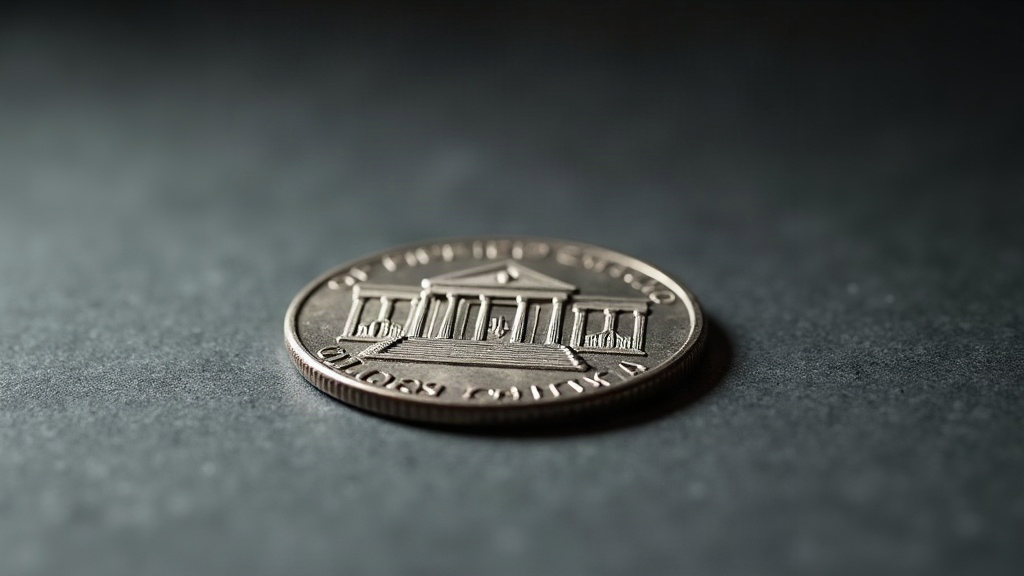
Jefferson Nickel Design History Explained
On the Desk This Week
Featured This Week
View all articles →
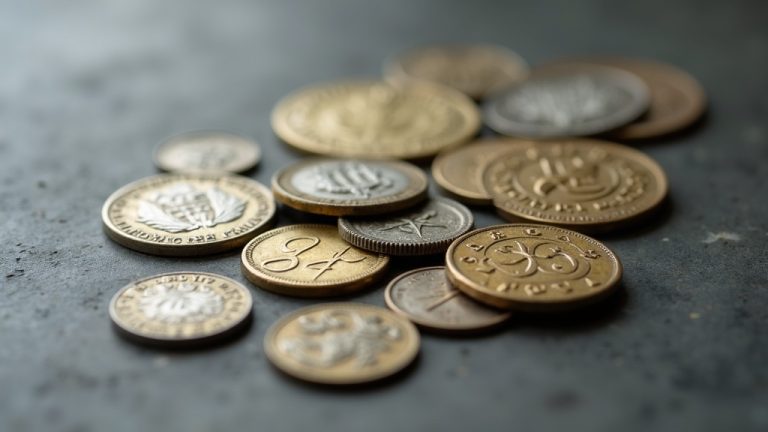
Understanding Exonumia: Tokens, Medals & Collectibles
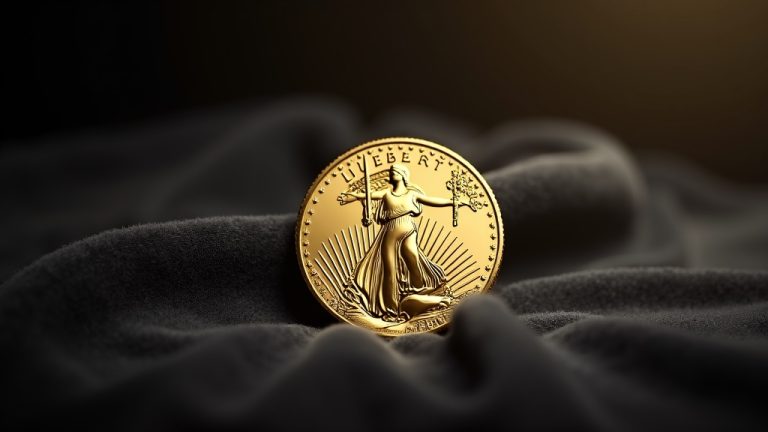
The Story of the 1933 Double Eagle
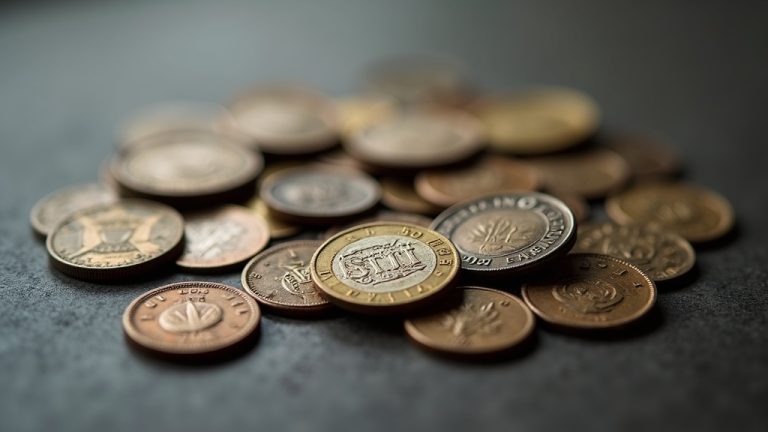
How Coins Reflect the History of Their Times
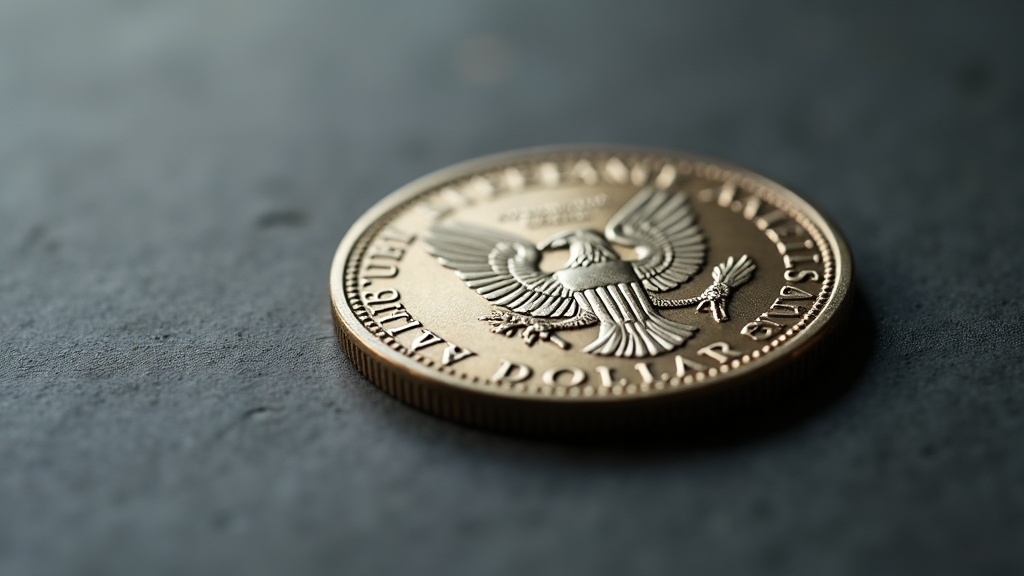
What exonumia means and how tokens, medals and related items differ from coins for collectors and history buffs.From "Understanding Exonumia: Tokens, Medals & Collectibles"
More From the Archive
Browse by category →Gold Coins Today doesn't sell coins, bullion, or anything else. We're an independent editorial publication funded by advertising, not commission. Our job is to explain how this market actually works — melt value, liquidity, storage, sales tactics — clearly enough that you can evaluate any pitch you get somewhere else on your own terms. Every article lists a last-updated date; if something changes, we correct it.