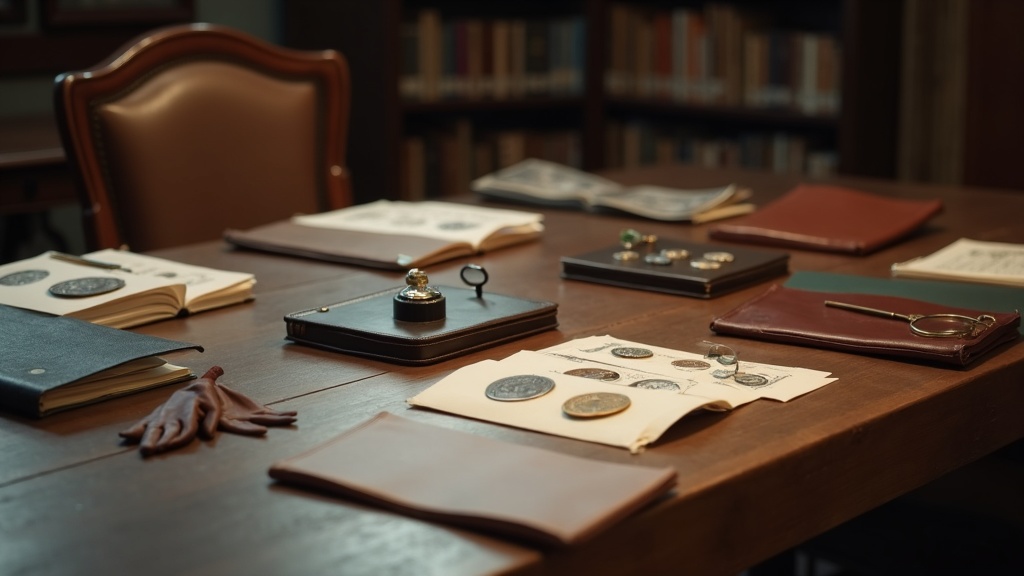
Coin clubs and numismatic societies are member-run organizations, ranging from small local groups to national bodies, where people who collect coins and related items meet to share knowledge, view collections, trade or buy from one another, and support educational programs. Most operate as nonprofit hobby associations funded by dues, with elected officers, regular meetings, and ties to larger regional or national federations. They exist to build community and expertise around the hobby, not to sell products or manage anyone’s money.
What a Typical Coin Club Actually Is
At its simplest, a coin club is a group of hobbyists who agree to meet on a regular schedule, usually monthly, in a library, community center, or similar public space. Most local clubs are informal nonprofit associations rather than businesses. Dues are typically modest and go toward room rental, newsletter printing, speaker fees, or small awards for club competitions. Leadership is usually volunteer: a president, vice president, secretary, and treasurer elected annually by the membership.
Numismatic societies operate on the same basic principle but at a larger scale. National organizations bring together thousands of members, publish research journals, run educational seminars, and often maintain a library or museum collection. Some focus on a particular era or category, such as ancient coins or a specific country’s coinage, while others are general-interest groups welcoming anyone curious about coin collecting.
How Meetings and Activities Are Structured
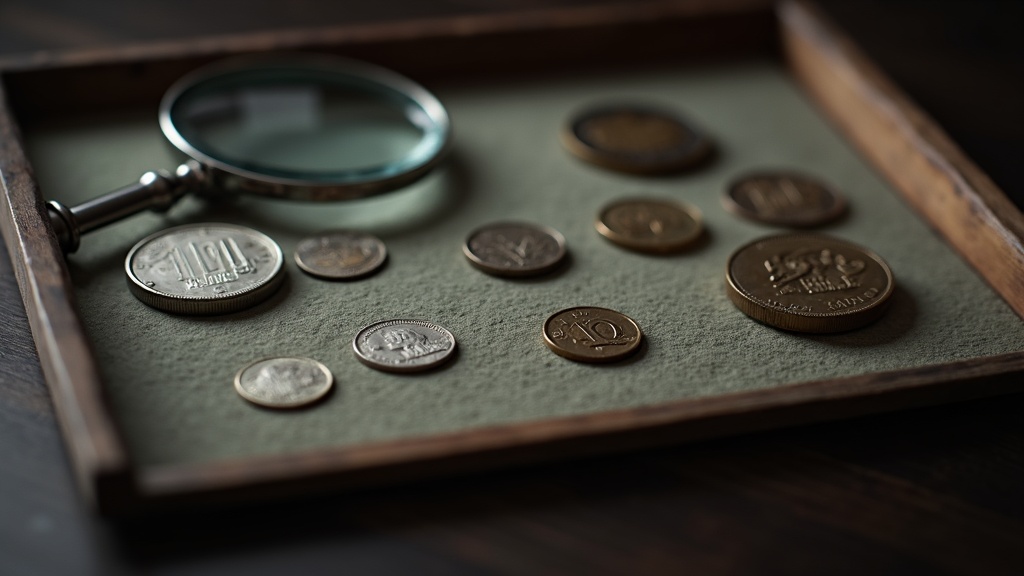
A typical club meeting follows a loose agenda: a short business portion covering club matters, followed by a program such as a guest speaker, a member presentation, or a “show and tell” segment where attendees bring pieces from their own collections to discuss. Many clubs also hold a raffle or silent auction of donated coins and supplies as a modest fundraiser, and some run periodic competitions where members display coins in categories judged by peers.
Beyond regular meetings, clubs and societies often organize or participate in larger events:
- Local or regional coin shows, where dealers set up tables and the public can browse, buy, or sell
- Educational seminars covering grading basics, identification, or historical background
- Club-sponsored auctions, often smaller and more informal than the professional auctions described in guides on how coin auctions work
- Youth outreach programs designed to introduce younger people to the hobby
- Exhibits at libraries, schools, or local museums showcasing member collections
If you plan to attend a show connected to a club, it helps to know the general expectations around browsing tables, handling coins, and interacting with dealers, which is covered in more detail in a guide to coin show etiquette and what to expect.
Membership: Who Joins and Why
People join coin clubs for a range of reasons that go beyond simply acquiring coins. Common motivations include:
- Learning from more experienced collectors in an informal, low-pressure setting
- Getting a second opinion on identification or condition before making a purchase
- Trading duplicates or building a specialized collection with help from people who share the interest
- Access to club libraries, reference books, or research resources
- Simple social connection with others who enjoy the same hobby
Clubs can be a useful, low-stakes way to start exploring the hobby if you’re just getting oriented, and pairing club involvement with a broader resource like a guide on how to start a coin collection from scratch can help a beginner get comfortable with the basics of terminology, handling, and storage before spending much money.
National and Regional Organizations
Beyond local clubs, larger numismatic societies operate at state, regional, and national levels. These organizations often provide accreditation-style educational courses, run certification programs for volunteer judges at competitive exhibits, publish peer-reviewed research in print or online journals, and maintain extensive numismatic libraries available to members by mail or in person. Many local clubs are affiliated with one or more of these larger bodies, which can provide insurance for club-held exhibits, sample bylaws for new clubs to adopt, and support for organizing bigger regional shows.
The American Numismatic Association is one well-known national organization in the United States that supports education, publishes a monthly magazine, and maintains a museum and library. Organizations like this are a reasonable starting point for finding an affiliated local club in your area, since many maintain searchable club directories.
How Clubs Differ From Commercial Dealer Networks
It’s worth understanding what a coin club is not. A club is generally not a place to receive formal appraisals, and members offering opinions on a coin’s condition or authenticity are sharing personal judgment, not professional certification. For that, independent resources exist to explain common numismatic terminology so newer members can follow discussions more easily, but formal grading and certification come from third-party services, not club consensus.
Clubs are also not a substitute for doing your own homework before a purchase from a dealer, whether at a club-affiliated show or elsewhere. General guidance on how to evaluate a coin dealer’s reputation still applies at club events: legitimate dealers explain their pricing and answer questions patiently, and reputable club environments generally discourage high-pressure sales tactics or urgency-based pitches. If someone at a club event pushes a purchase decision using fear-based language about currency collapse or a “limited time” offer, that pressure is a signal to slow down, not speed up, regardless of the setting.
Finding and Evaluating a Club
Most regions have at least one active coin club, and many are listed through state numismatic associations, national organization directories, or local library and community bulletin boards. When evaluating a club before joining, it can help to consider:
- Whether meetings are open to visitors before requiring membership dues
- Whether the club is affiliated with a recognized regional or national numismatic body
- How transparent the club is about how dues and raffle proceeds are used
- Whether the group welcomes beginner questions without pressure to buy anything
- Whether experienced members are willing to explain their reasoning rather than simply asserting values
For those broadening their interest beyond a single specialty, browsing archives covering US coins and history, world and ancient coins, or general collecting culture can complement what’s discussed at club meetings and give a well-rounded foundation before specializing further.
Frequently asked questions about coin clubs and numismatic societies
How do I find a coin club near me?
Search directories maintained by national numismatic organizations, check with local libraries or community centers, or ask at a nearby coin show, since many clubs post meeting times and locations publicly and welcome visitors before requiring membership.
Do coin clubs cost money to join?
Most charge modest annual dues to cover room rental, newsletters, and speaker fees, though many allow newcomers to attend one or more meetings as a guest before deciding whether to join.
Can a coin club tell me what my coins are worth?
Members can share informal opinions based on experience, but a club is not a formal appraisal service; for a reliable value estimate, get a current appraisal or spot-price reference from a qualified, reputable source.
Are coin clubs only for serious collectors?
No, most clubs welcome complete beginners and are often glad to answer basic questions, since introducing new members to the hobby is part of what keeps local clubs and national societies active.
What’s the difference between a local coin club and a national numismatic society?
A local club is typically a small volunteer-run group meeting regularly in one area, while a national society operates at a larger scale with published research, formal education programs, and often a museum or library, and many local clubs are affiliated with a national body.
Gold Coins Today publishes general information about coin collecting and precious metals, not financial, investment, tax or legal advice. We are writers and editors, not certified numismatists, appraisers, financial advisors or dealers. Coin and bullion values change constantly and depend on condition, authenticity and the current market — get a current appraisal or spot price from a qualified, reputable source before buying or selling, and consult a licensed financial advisor before treating precious metals as part of an investment strategy.