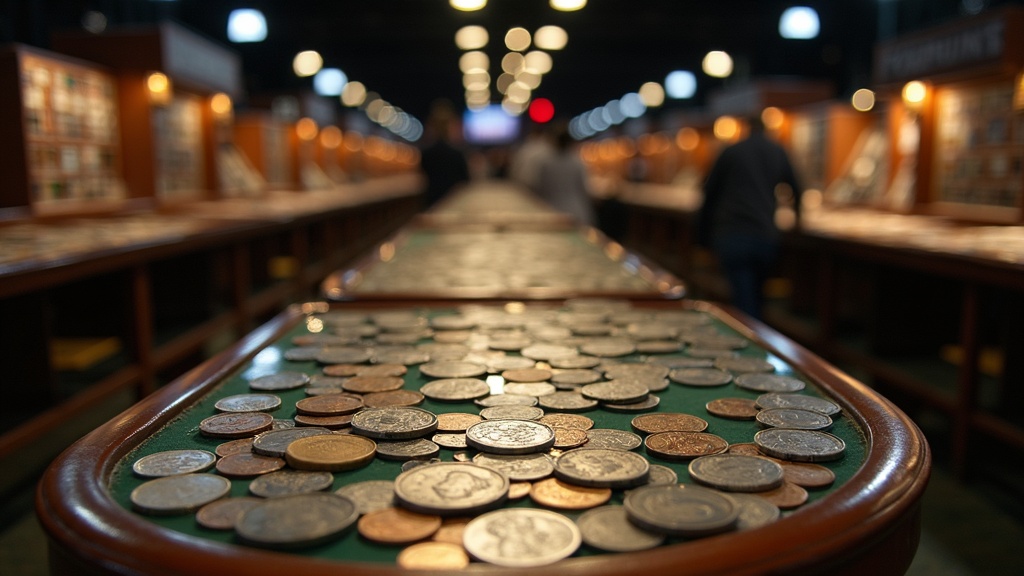
A coin show or convention is a temporary marketplace, usually held in a hotel ballroom or convention center over a weekend, where coin dealers rent tables to buy, sell, and trade coins, currency, and precious metals directly with the public and each other. Shows range from small local “bourse” gatherings with a few dozen tables to large regional or national conventions with hundreds of dealers, educational seminars, and coin club exhibits. Attendees come to browse inventory that rarely surfaces online, get informal opinions on items they own, and meet other collectors. Understanding the basic structure and etiquette makes the experience far less intimidating for a first-time visitor.
What actually happens at a coin show
At its core, a show is a room full of independent dealer tables, each operated by a separate business with its own inventory, pricing, and policies. There is no single “show” price for anything — every table is a distinct negotiation. Larger conventions typically add a security presence, an admission desk, educational talks from numismatic organizations, and sometimes an on-site presence from a grading service taking submissions. Some shows also host club meetings or young numismatist programs alongside the commercial bourse floor.
Because dealers are independent, quality and professionalism vary from table to table. Reading a room takes a little practice, and the same habits that help you evaluate a dealer online or in a shop apply here — it’s worth thinking through how to evaluate a coin dealer’s reputation before committing to any purchase, even a small one.
Who you’ll find on the bourse floor
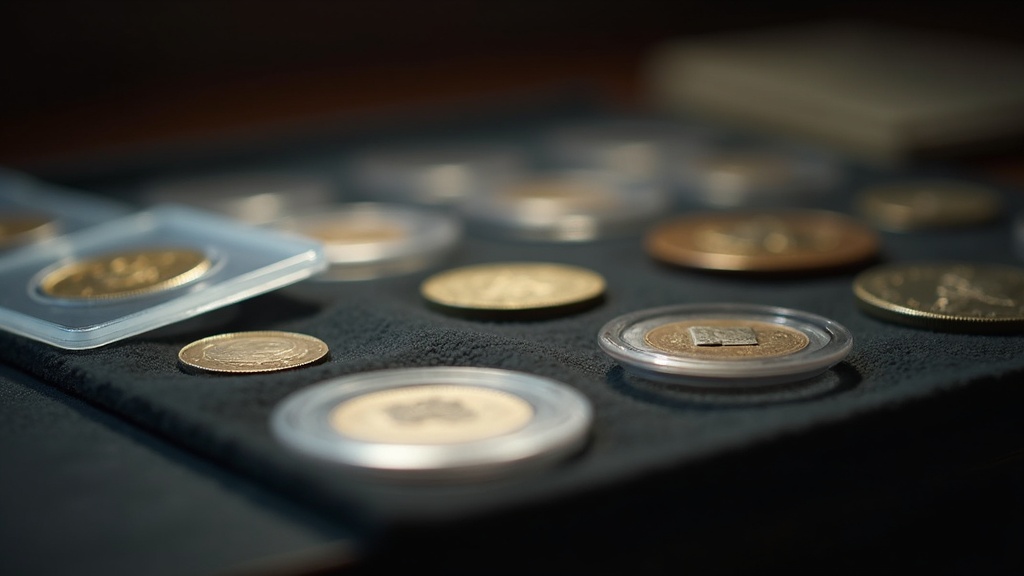
- Full-time coin dealers who travel a regional or national show circuit and carry broad inventory across US and world coins.
- Bullion dealers focused primarily on gold, silver, platinum, and palladium products rather than numismatic rarities.
- Specialists who concentrate on a narrow area — ancient coins, paper currency, tokens and medals, or a specific country or era.
- Club and society tables, often nonprofit, offering membership information, reference materials, and sometimes junior collector programs.
- Grading service representatives at larger shows, who may accept submissions on-site for a fee.
Before you go
A little preparation goes a long way. If you’re bringing coins to sell or get looked at, review how to prepare a coin collection for sale or appraisal so items are organized, unhandled by bare fingers, and easy for a dealer to review quickly. It also helps to have realistic expectations: a table opinion given in a few minutes on a busy floor is not a formal appraisal, and a written appraisal from coin insurance and appraisal professionals serves a different purpose than a quick buy-or-pass glance from a dealer.
If you’re new to the hobby generally, spending time with a basic primer on coin basics and identification before your first show will make dealer conversations much easier to follow, since terminology gets used quickly and casually on the floor.
What to expect once you’re there
Most shows charge a modest admission fee at the door, though some run free depending on the sponsoring organization. Inside, expect long rows of tables, security staff, and a mix of serious buyers, casual browsers, and families. Dealers are generally happy to answer questions and let you handle coins under supervision, but there’s an unspoken etiquette to how that happens — asking before picking anything up, using two hands or a proper hold, and not monopolizing a table during busy stretches. A full rundown of these norms is covered in our guide to coin show etiquette and what to expect, which is worth reading in full before your first visit.
Negotiation is normal and expected at most tables, particularly on bullion-adjacent items where pricing tracks a live metals market that shifts throughout the day. It is reasonable to ask a dealer how their price relates to the current spot price rather than assuming any posted number is fixed. For raw (ungraded) coins, it’s also reasonable to ask what grading standard the dealer is using informally, since opinions can differ — background on grading itself is covered in our explainer on what coin grading actually means.
Common show formats
| Format | Typical size | What it offers |
|---|---|---|
| Local bourse | 10–50 tables | Casual browsing, community feel, often free or low-cost entry |
| Regional show | 50–200 tables | Broader inventory, some educational programming, club presence |
| National convention | 200+ tables | Auction previews, grading service submissions, seminars, exhibits |
Buying and selling on the floor
Whether you’re there to add to a collection or looking to sell, the same fundamentals apply as anywhere else: understand what determines a coin’s value — condition, rarity, metal purity, and current demand — rather than relying on a single number given verbally. Our overview of buying and selling coins covers many of the same questions that come up at a show, including how buyback policies typically work if you’re planning to sell an item back to a dealer later, detailed in our piece on understanding buyback policies when selling coins.
Watch for the same red flags that apply anywhere in the hobby: high-pressure closing tactics, refusal to let you examine a coin closely or take time to think, or claims that a “deal” is only good if you buy immediately. Legitimate, established dealers are generally comfortable with a buyer taking a photo, asking questions, or walking away to think it over — our article on precious metals sales tactics to watch for goes into more detail on what pressure looks like in practice. A second opinion from another table, or an independent appraisal before any large purchase, is a normal and reasonable step, not an insult to the dealer.
Grading, authentication, and paperwork at shows
Some larger shows have a grading service booth accepting submissions, which can be convenient if you already know you want a coin professionally graded and encapsulated. It helps to understand generally what grading services actually do before submitting anything, including turnaround times and fee structures, which vary and are set by the grading company, not the show organizer. If you’re buying a graded coin at a show, checking that it comes with appropriate documentation is worth the extra minute — see our guide on what documentation should come with a graded coin.
Counterfeit and altered coins do occasionally appear at shows, as they do in every corner of the hobby, so a cautious, unhurried approach to unfamiliar sellers is sensible. General background on spotting problem listings — much of which applies to in-person tables as well — is in our article on red flags that suggest a counterfeit coin listing.
After the show
If you came home with new pieces, proper handling and storage from day one prevents avoidable damage — a quick read of how to handle coins properly to avoid damage is a good habit to build early, alongside choosing appropriate holders, flips, or capsules for whatever you acquired. It’s also a natural time to think about broader storage and insurance questions if your collection has grown, which our care and storage section covers in depth.
Frequently asked questions about coin shows and conventions
Do I need to be a dealer to attend a coin show?
No. Coin shows are open to the general public, typically for a small admission fee. Anyone with an interest in coins, currency, or bullion can attend, browse tables, ask questions, and buy or sell as a private individual.
How do I know if a coin show is legitimate?
Look for shows organized or sponsored by an established coin club, regional numismatic association, or a recognized national organization, and check whether dealers are required to hold table agreements or memberships, which generally signals a more accountable event.
Can I sell my coin collection at a coin show?
Yes, many attendees bring collections to sell or get a quick opinion on. It helps to visit multiple tables for comparison, since pricing and interest vary by dealer, rather than accepting the first offer at the first table you approach.
Are prices at coin shows negotiable?
Often, yes, particularly on bullion-related items tied to a live metals market or on coins a dealer is motivated to move. Negotiation is normal and expected, though not every price on every table is flexible.
What should I bring to a coin show?
A loupe, a small notebook or phone for reference, cash and other accepted payment methods, and, if you’re selling, coins organized in flips or holders rather than loose in a bag so dealers can review them quickly and safely.
Gold Coins Today publishes general information about coin collecting and precious metals, not financial, investment, tax or legal advice. We are writers and editors, not certified numismatists, appraisers, financial advisors or dealers. Coin and bullion values change constantly and depend on condition, authenticity and the current market — get a current appraisal or spot price from a qualified, reputable source before buying or selling, and consult a licensed financial advisor before treating precious metals as part of an investment strategy.