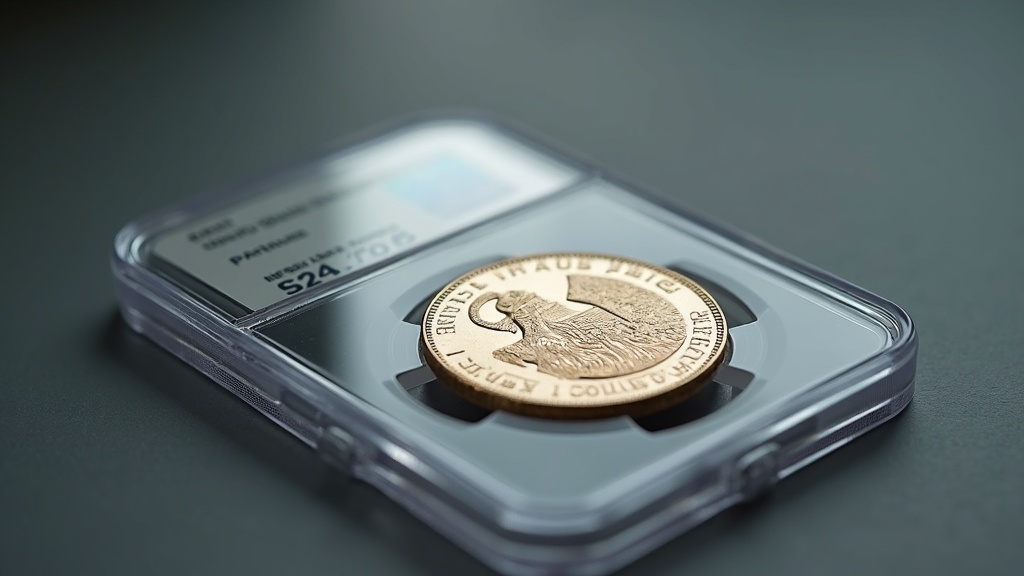
A properly graded coin should come with a sealed holder bearing a printed label (often called an insert) that states the coin’s identity, grade, and a unique certification number, along with a way to look up that number on the grading service’s own website. Beyond the holder itself, reasonable documentation includes the original submission or purchase paperwork, any invoice from the seller describing the coin and price paid, and, where relevant, notes on provenance if the coin has a documented ownership history. None of this documentation determines value by itself, but its absence or inconsistency is one of the clearest signals that something needs a closer look before money changes hands.
The holder and label are the baseline
When a coin is graded by a third-party service, it’s typically encapsulated in a tamper-evident plastic holder, commonly called a slab. The label inside states basic facts: the coin’s denomination, date, mint mark, the assigned grade, and a certification or serial number. That number is the key piece of “documentation” most buyers actually use, because it usually corresponds to an entry in the grading service’s public database. Before relying on a graded coin’s paperwork, it’s worth understanding generally how coins are identified and described in the first place, since labels use standardized abbreviations and terminology that aren’t always intuitive to newcomers.
It’s worth remembering that the label reflects one organization’s opinion at one point in time, applied inside a widely used but not universal grading system. The plastic holder protects the coin physically and discourages tampering, but it isn’t a guarantee against every possible dispute over grade, and reputable services are generally upfront about that limitation rather than presenting the label as an infallible verdict.
Verifying the certification number
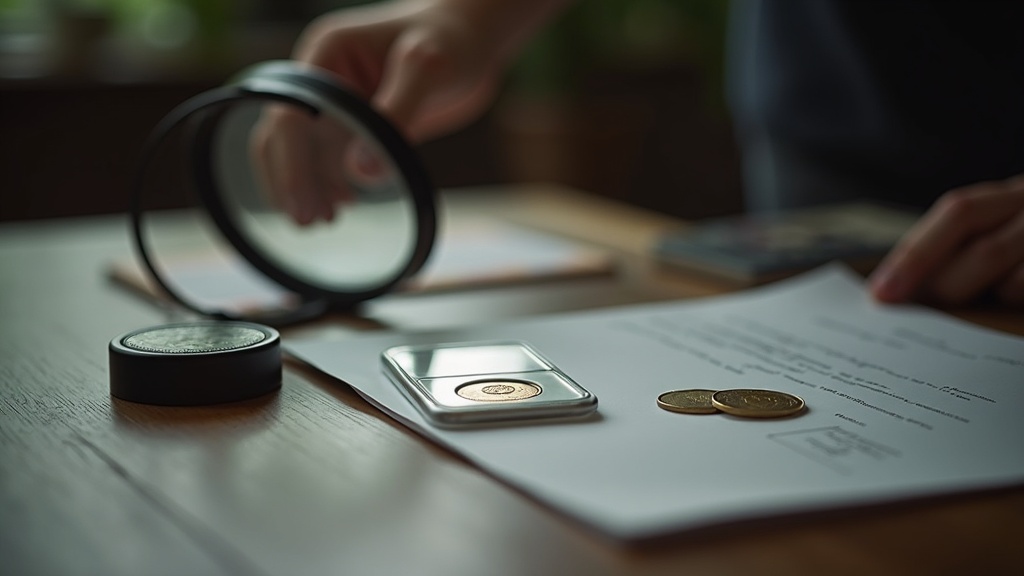
Most major grading services allow anyone to enter the certification number from a coin’s label into an online lookup tool. A legitimate result should show details that match what’s printed on the physical holder: the same coin type, date, mint mark, and grade. If the details on the label and the online record don’t match, or the number returns no result at all, that’s a serious red flag rather than a minor clerical issue. This kind of mismatch is one of the patterns discussed more broadly in resources about red flags that suggest a counterfeit coin listing, since counterfeit slabs and mismatched labels are a known tactic used to make a coin appear more valuable or authentic than it is.
A verification lookup doesn’t replace holding the coin and comparing it carefully against the label, but it’s a fast first check that costs nothing and takes only a minute. If you’re buying online rather than in person, this step becomes more important, and it pairs well with the general precautions covered in a guide on what to know before buying coins online.
Paperwork beyond the slab itself
Depending on how a coin has changed hands, several other documents may reasonably accompany it:
- Original submission receipt: if the current owner sent the coin in for grading themselves, they may still have the paperwork from the grading service showing when it was submitted and returned.
- Sales invoice or receipt: a description of the coin, the date of sale, and terms of the transaction from whoever sold it, whether that’s an individual, a dealer, or an auction house.
- Provenance notes: for coins with a documented history — previous notable collections, prior auction appearances, or long-held family ownership — any letters, catalog pages, or old receipts that trace that history.
- Insurance or appraisal documents: if the coin was ever formally appraised or scheduled on an insurance policy, that paperwork can add useful background, though it reflects an opinion at a specific past date rather than a current one.
None of these documents are strictly required for a coin to be genuine or well-graded, but a total absence of any paper trail on a coin that’s supposedly changed hands several times, or has a claimed notable history, is worth asking about directly.
What documentation does not tell you
It’s easy to assume that a slab and a matching database entry settle every question about a coin, but documentation has limits. A grading label confirms that a specific organization assigned a specific grade to a specific coin at a specific time — it does not guarantee that the coin will always be considered that grade by every buyer, and grading opinions can occasionally be reconsidered on resubmission. Documentation also says nothing about current market conditions or what a coin might bring in a private sale versus at auction; that depends on demand, rarity, and condition at the time of sale, and is a separate question from authentication. For background on how grades are actually assigned and what the abbreviations mean, the coin basics and identification archive covers foundational terminology that makes label reading easier.
Paperwork also can’t substitute for basic caution around the seller. A clean-looking slab and invoice mean little if the transaction itself has warning signs, such as pressure to decide quickly, reluctance to let you verify the certification number independently, or reluctance to answer direct questions. A guide on questions to ask before buying from a coin dealer lays out the kind of direct, ordinary questions a legitimate seller should be comfortable answering.
When you’re selling or consigning a graded coin
If you’re on the other side of the transaction — preparing to sell or consign a graded coin rather than buy one — keeping its documentation organized matters just as much. Buyers, dealers, and auction houses generally want to see the slab intact and undamaged, along with any history you have on how and when the coin was acquired. Organizing this ahead of time is one of the practical steps covered in a guide on how to prepare a coin collection for sale or appraisal, and it can make the process faster whether you’re working with a dealer, a grading service resubmission, or an auction house.
Before committing to a buyer, it’s also reasonable to look into how that dealer or platform is regarded by other collectors. A resource on how to evaluate a coin dealer’s reputation walks through general signs of a trustworthy business versus a riskier one, and understanding the buyback policies explained by reputable dealers can clarify what to expect if you ever want to resell.
A note on pressure tactics
Because graded coins carry an aura of officialdom — a sealed holder, a serial number, a grade printed by a recognized service — some sellers lean on that presentation to rush buyers into a decision, often paired with urgency framing about supply running out or prices about to move. Legitimate, established dealers generally don’t need to pressure a buyer this way, and a request for a moment to independently verify a certification number or get a second opinion is a completely normal part of buying, not an insult to the seller. If a seller resists that kind of basic verification, treat it as information in itself.
Frequently asked questions about graded coin documentation
How do I check if a graded coin’s certification number is real?
Most grading services offer a free online lookup where you enter the certification number printed on the holder’s label. A genuine result should match the coin’s date, mint mark, and grade exactly; any mismatch or blank result is a reason to investigate further before buying.
Does a graded coin need a certificate of authenticity separate from the slab?
Not necessarily. The sealed holder and its printed label, combined with the online database entry tied to the certification number, generally serve as the primary record. A separate paper certificate is sometimes included but isn’t the standard requirement.
What if a graded coin comes with no paperwork at all?
A missing sales invoice or history isn’t automatically a problem, especially for coins bought long ago, but it does mean you’re relying more heavily on the slab itself. Verifying the certification number online becomes more important in that situation.
Can a grading label be faked or copied onto a different coin?
Counterfeit holders and mismatched labels do exist, which is why checking the certification number against the grading service’s own database, and physically comparing the coin to the label’s description, matters more than trusting the holder’s appearance alone.
Should I get a second opinion before buying a graded coin?
Asking for time to independently verify a coin, including its grading certification, is a normal and reasonable step, particularly for a larger purchase. Established, reputable sellers generally don’t discourage this kind of basic diligence.
Related reading
Coin Insurance and Appraisals: What to Know.
Gold Coins Today publishes general information about coin collecting and precious metals, not financial, investment, tax or legal advice. Articles on this site are drafted with AI assistance (see our editorial policy) and are not written or reviewed by certified numismatists, appraisers, financial advisors or dealers. Coin and bullion values change constantly and depend on condition, authenticity and the current market — get a current appraisal or spot price from a qualified, reputable source before buying or selling, and consult a licensed financial advisor before treating precious metals as part of an investment strategy.