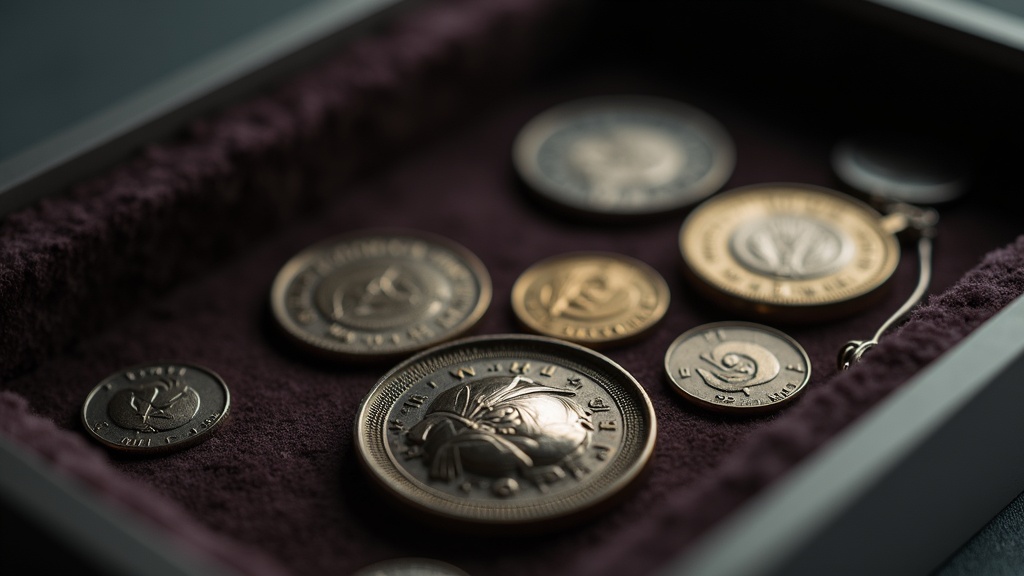
Coin insurance protects the replacement cost of a collection if it’s lost, stolen, or damaged, while an appraisal is the professional opinion that establishes what that replacement cost actually is. You generally need a current, written appraisal before an insurer will cover a collection beyond the small limits built into a standard homeowners or renters policy. Neither process guarantees future value — they simply document what a collection appears to be worth right now, based on condition, authenticity, and current market conditions.
For anyone who has inherited coins, bought steadily for years, or simply wants peace of mind, understanding how these two pieces fit together can prevent both under-insurance and unpleasant surprises during a claim.
Why standard homeowners insurance usually isn’t enough
Most homeowners and renters insurance policies treat coins, precious metals, and jewelry as a special category of personal property with a low built-in sublimit — often just a small fraction of what a serious collection might be worth. That limit typically applies whether the loss is theft, fire, or another covered peril, and it may not distinguish between a jar of pocket change and a set of key-date coins. If a collection’s value exceeds that sublimit, the difference simply isn’t covered unless you add specific protection.
This is where a scheduled personal property endorsement (sometimes called a rider or floater) or a standalone collectibles policy comes in. These add-ons let you insure a collection, or individual high-value pieces, for a specified amount, and they generally offer broader coverage than a standard policy — for example, protection against accidental damage or loss during transport to a coin show, discussed further in our piece on coin show etiquette and what to expect. The tradeoff is that insurers usually require documentation before they’ll write or update this kind of coverage.
What an appraisal actually involves
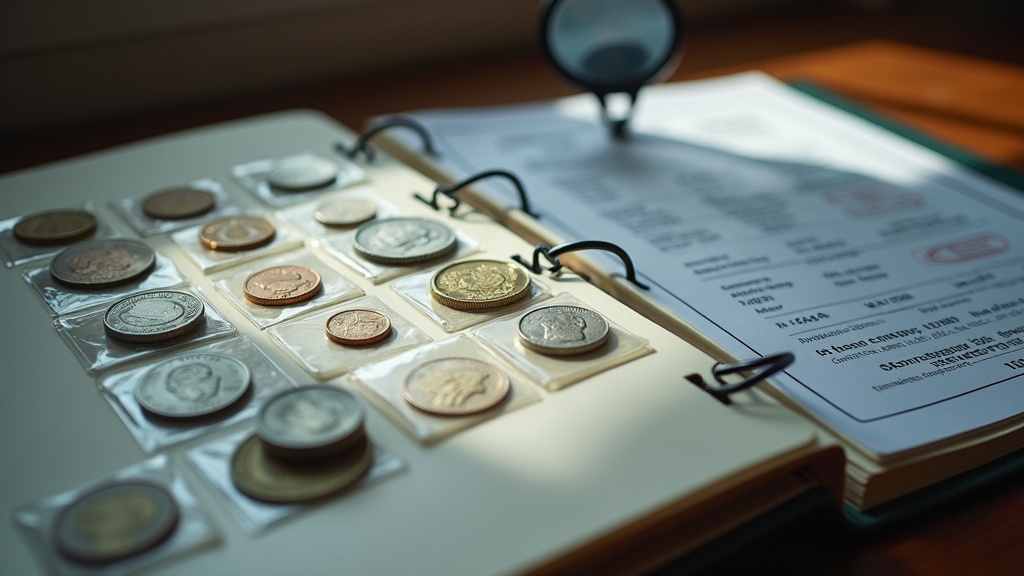
An appraisal is a written assessment, usually performed for a fee by someone with numismatic expertise, that identifies each coin, describes its condition, and estimates a current value based on market factors. A thorough appraisal typically records:
- The coin’s date, mint mark, denomination, and variety
- Its physical condition and grade, or an estimated grade range
- Metal content and purity where relevant
- Any notable damage, cleaning, or alterations
- Supporting photographs
- The date the appraisal was performed, since values are only a snapshot in time
Because so much of an appraisal depends on condition and authenticity, it helps to understand the basics of what grading services actually do before you seek one out — it puts the appraiser’s terminology in context and helps you ask better questions.
Appraisals versus certified grading
An appraisal and a professional grading certification aren’t the same thing, though they’re related. A grading service authenticates a coin and assigns it a numeric grade, which is then sealed in a tamper-evident holder along with a certification number. An appraiser may use that grade, along with current market activity, to arrive at a value estimate. If a coin already has professional grading documentation, it’s worth reviewing what documentation should come with a graded coin so an appraiser has everything needed to work efficiently, rather than starting from scratch.
Certificates of authenticity aren’t the same as appraisals
Some coins, particularly modern commemoratives or certain bullion products, come with a certificate of authenticity from the mint or issuer. These certificates confirm origin and specifications, but they are not independent valuations and don’t necessarily reflect current market conditions or condition-based premiums. Our article on certificates of authenticity and what they really prove goes into more detail on where these documents are useful and where their limits are. An insurer will generally still want a separate appraisal rather than relying on a certificate alone.
How appraised value relates to melt value
For bullion and coins with significant precious metal content, part of the appraisal may reference melt value — the value of the metal itself if the coin were reduced to raw bullion. But melt value is only one input, and it usually isn’t the whole story for numismatic pieces. Rarity, mint state condition, and collector demand can push a coin’s value well beyond its metal content, which is why understanding what determines a coin’s melt value is useful background before an appraisal, but not a substitute for one.
Getting a collection ready for appraisal
An appraiser works faster, and often more accurately, when a collection is organized ahead of time. Steps that generally help include:
- Sorting coins by type, date, or however your own records are organized
- Keeping coins in their original holders or slabs rather than removing them
- Gathering any existing paperwork — purchase receipts, prior appraisals, grading certificates
- Avoiding any cleaning or polishing, which can reduce value rather than improve it
- Taking basic photographs for your own records before handing coins over
These same preparation steps overlap heavily with what’s recommended when preparing a coin collection for sale or appraisal, since a buyer and an insurer are both trying to answer a similar question: what is actually here, and in what condition?
Choosing who does the appraisal
Look for an appraiser who is independent of any transaction — ideally someone who isn’t also trying to buy the collection from you at the same time, since that creates an incentive conflict. Professional appraisal societies and numismatic organizations can be a starting point for finding qualified appraisers, and some grading services also offer or reference appraisal-adjacent services. If you’re vetting a dealer who also offers appraisals, the same due-diligence questions apply as when you’d evaluate a coin dealer’s reputation for a purchase or sale.
Be cautious of anyone using high-pressure tactics tied to an appraisal — for example, urgency framing suggesting a collection must be sold or reinsured immediately, or fear-based pitches about currency instability. A legitimate appraiser or dealer has no need to rush you, and getting a second opinion before a large purchase, sale, or insurance decision is a reasonable and common practice, not a sign of distrust.
Keeping insurance and appraisals current
Collections change, and so do markets. A coin purchased or appraised several years ago may no longer reflect current conditions in either direction. Many insurers ask for updated appraisals periodically, particularly for high-value scheduled items, and it’s reasonable to revisit documentation any time a collection grows significantly, when coins are re-graded, or when you’re settling an estate — a situation covered in more depth in our piece on how estate sales handle inherited coin collections.
| Document | What it establishes |
|---|---|
| Written appraisal | Estimated current value based on condition, authenticity, and market |
| Grading certificate | Authentication and assigned grade from a third-party service |
| Certificate of authenticity | Confirms origin/specifications from the issuing mint, not market value |
| Insurance schedule/rider | Formal coverage amount and terms agreed with your insurer |
Frequently asked questions about coin insurance and appraisals
Do I need a separate appraisal for every coin I own?
Not necessarily. Many collectors get a full itemized appraisal for higher-value or key pieces and simply list lower-value coins under a general schedule. An appraiser or insurer can advise on the practical threshold for itemizing versus grouping coins.
Will my homeowners insurance automatically cover stolen coins?
Usually only up to a small built-in sublimit for precious metals and collectibles. Anything above that generally requires a scheduled personal property endorsement or a standalone collectibles policy backed by a current appraisal.
How often should a coin collection be reappraised?
There’s no fixed rule, but many owners revisit appraisals every few years, or sooner if the market shifts noticeably, coins are re-graded, or the collection grows. Insurers may also set their own requirements for how current an appraisal must be.
Does a grading service slab count as an appraisal?
No. A grading slab authenticates the coin and assigns a grade, but it doesn’t include a dollar value estimate or reflect ongoing market movement. An appraisal typically uses that grading information as one input alongside current market conditions.
Can I insure coins that haven’t been professionally graded?
Yes, though an appraiser may need to estimate a grade range themselves, which can affect how confidently they can value the coin. Ungraded coins are still commonly insured, especially bullion pieces where purity and weight matter more than fine condition grading.
Gold Coins Today publishes general information about coin collecting and precious metals, not financial, investment, tax or legal advice. We are writers and editors, not certified numismatists, appraisers, financial advisors or dealers. Coin and bullion values change constantly and depend on condition, authenticity and the current market — get a current appraisal or spot price from a qualified, reputable source before buying or selling, and consult a licensed financial advisor before treating precious metals as part of an investment strategy.