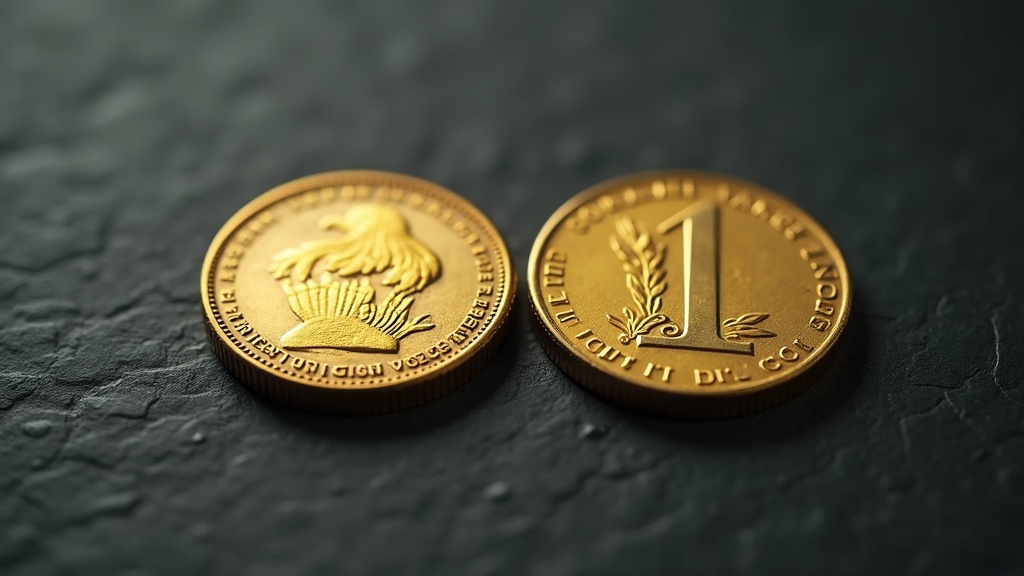
Bullion value is what a coin is worth based purely on the weight and purity of its metal content, moving in step with live spot prices. Numismatic value is the additional (or sometimes entirely separate) worth collectors assign based on rarity, condition, historical significance, and demand. A common-date gold coin in worn condition may trade close to its metal content, while a rare date in exceptional condition can carry a premium far beyond that, driven by collector interest rather than the metal itself.
Understanding this distinction matters because the two values are calculated in completely different ways, and confusing them is one of the most common reasons people overpay or undersell. This article explains how each type of value is determined and what factors separate a coin worth its metal from one worth considerably more — without naming specific dollar figures, since those change constantly and should always come from a live, reputable source.
What gives a coin bullion value
Bullion value comes from a straightforward calculation: the coin’s fine metal weight multiplied by the current spot price of that metal. A one-ounce gold or silver coin, for example, contains a known and standardized amount of fine metal, and its floor value tracks the market price of that metal at any given moment. This is true whether the coin is a modern government-issued bullion coin or an older circulated piece made from a precious-metal alloy. The full mechanics of how this baseline number is calculated are covered in more detail in our explainer on what determines a coin’s melt value.
Because bullion value is tied to a public, constantly updating market price, it’s the easier of the two figures to check. Reputable dealers, mints, and financial data sites publish live spot prices for gold, silver, platinum, and palladium, and a coin’s approximate bullion value can be estimated from there. This is also why bullion-focused coins are minted to consistent weight and purity standards — a topic explored in our piece on how bullion coins are minted versus collector coins.

What gives a coin numismatic value
Numismatic value sits on top of — or sometimes apart from — bullion value, and it’s driven by factors that have nothing to do with the weight of the metal:
- Rarity: How many examples were originally minted and how many are believed to survive today in collectible condition.
- Condition: Coins are graded on standardized scales that assess wear, strike quality, and surface preservation; higher grades typically command higher premiums.
- Historical or design significance: Coins tied to a notable era, a short-lived design, or a minting error can attract interest well beyond their metal content.
- Collector demand: Even objectively rare coins depend on active buyer interest; demand shifts over time as collecting trends and generational interest change.
This added value is often described as a numismatic premium, and understanding why it exists — and why it can shrink as easily as it grows — is worth reading in full in our article on what a numismatic premium is and why it exists.
Comparing the two side by side
| Factor | Bullion Value | Numismatic Value |
|---|---|---|
| Primary driver | Metal weight and purity | Rarity, condition, demand |
| How it’s tracked | Live spot price | Auction results, dealer surveys, grading population data |
| Volatility | Moves with metals markets daily | Can shift with collector trends over months or years |
| Typical coins | Modern bullion coins, common-date circulated coins | Key dates, low-mintage issues, high-grade survivors |
Why the distinction matters when buying or selling
A coin’s total price in the marketplace is usually some combination of these two values, not strictly one or the other. A modern one-ounce bullion coin from a major mint will typically trade close to its metal value with a modest premium for minting and distribution. A collectible coin from an earlier era might have almost no meaningful bullion floor if it’s not made from precious metal at all, or it might carry both a bullion floor and a substantial numismatic premium on top if it happens to be struck in gold or silver and also historically significant.
This layering is also central to how easily a coin can be resold. Pure bullion tends to be highly liquid because its value is transparent and widely agreed upon, while numismatic value depends on finding a buyer who specifically wants that coin’s rarity or condition. Our article on liquidity differences between bullion and numismatic coins goes into more depth on how that plays out in practice.
Anyone new to identifying which category a coin falls into may find it useful to start with the basics of coin identification, mint marks, and design series, covered broadly in our Coin Basics & Identification archive, before comparing that against current bullion pricing resources in our Precious Metals & Bullion section.
Where predatory sales tactics try to blur the line
Some sellers deliberately blur bullion and numismatic value to justify high markups, framing an ordinary bullion coin as a rare “collector’s item” or implying that a common coin will appreciate the way a genuinely rare one might. Legitimate dealers don’t need high-pressure tactics, urgency, or fear-based framing about currency collapse to make a sale — they’re generally willing to explain exactly how a price was calculated and where the premium is coming from. If a seller can’t clearly separate the metal content from the collector premium, or discourages you from getting an independent opinion, that’s worth treating as a caution sign rather than a reason to rush. Our guides on evaluating a coin dealer’s reputation and buying and selling more broadly walk through practical ways to check a seller’s track record before making a large purchase.
For anyone weighing precious metals or numismatic coins as part of a broader financial picture, it’s also worth reading generally about how these assets behave before making decisions, which our Investing Considerations section covers without steering readers toward any particular purchase.
Getting an accurate read on a specific coin
Because bullion value changes throughout the trading day and numismatic value depends on grading and current collector demand, the only reliable way to know what a specific coin is worth right now is to check a live spot price for the metal and, for anything potentially rare or historically significant, get an independent appraisal or grading opinion. A second opinion costs little relative to the risk of over- or under-valuing a coin, and it’s a normal, expected step even among experienced collectors — not a sign of distrust.
Frequently asked questions about numismatic value vs bullion value
How do I know if my coin is worth more than its melt value?
Check the date, mint mark, and condition against known rarity information, then compare that to the coin’s fine metal weight at current spot price. If the design, date, or condition is notably scarce, an independent appraisal can determine whether a numismatic premium applies.
Do all gold and silver coins have numismatic value?
No. Many modern bullion coins are produced in large quantities specifically to track metal value closely, with only a small premium for minting and distribution. Numismatic value tends to apply to coins that are rare, historically notable, or in exceptional condition.
Can numismatic value go down over time?
Yes. Numismatic premiums depend on collector demand and grading trends, both of which can shift. Bullion value can also fall with the metals market, so a coin’s total price can move for either reason, or both at once.
Is a common-date silver coin just worth its melt value?
Often, yes, since common dates in circulated condition typically don’t carry a meaningful collector premium beyond their metal content. However, condition, mint errors, or unusual varieties can still add value even to an otherwise common date.
Why do two coins with the same metal weight sell for different prices?
The metal content sets a shared floor, but factors like rarity, grade, strike quality, and collector demand sit on top of that floor independently for each coin. Two coins with identical weight and purity can have very different numismatic premiums.
Seeing the two layers on one coin
The metal layer can be calculated from law and mint specifications; the collector layer cannot. A 1964 Kennedy half dollar holds 0.3617 troy ounce of silver by statute, and a 1965-1970 Kennedy holds 0.1479. Two coins with the same date and the same silver can still sell for very different amounts if one is scarcer, better preserved or carries a documented variety. Our melt value calculator gives you the metal layer; anything a dealer quotes above it is the collector or dealer layer, and that is the part to ask about.
Gold Coins Today publishes general information about coin collecting and precious metals, not financial, investment, tax or legal advice. Articles on this site are drafted with AI assistance (see our editorial policy) and are not written or reviewed by certified numismatists, appraisers, financial advisors or dealers. Coin and bullion values change constantly and depend on condition, authenticity and the current market — get a current appraisal or spot price from a qualified, reputable source before buying or selling, and consult a licensed financial advisor before treating precious metals as part of an investment strategy.