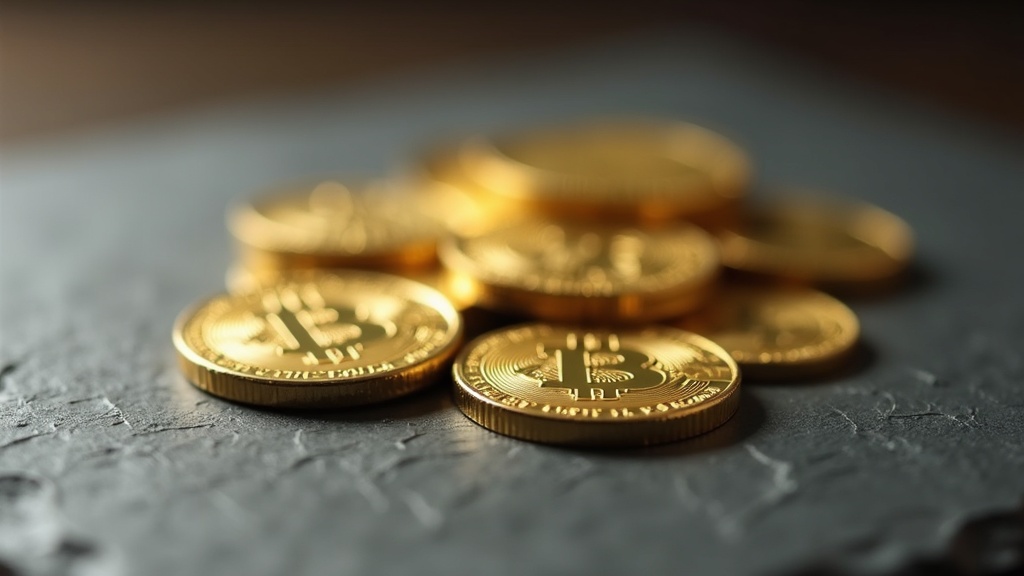
Interest in gold tends to rise during economic uncertainty because gold is widely perceived as an asset that doesn’t depend on any single government, bank, or company staying solvent. When confidence in currencies, markets, or institutions wavers, some people look to gold as a tangible store of value with a long history of being accepted across borders and generations. That perception, combined with real supply-and-demand dynamics, is what typically pushes gold into the headlines whenever the economic outlook turns cloudy.
None of this means gold is guaranteed to hold or increase in value, and this article isn’t telling you what to do with your money. Instead, it walks through the actual mechanics behind why gold gets attention in uncertain times, so you can evaluate the topic — and any sales pitch built around it — with a clearer head.
Gold as a historical store of value
Gold has been used as money and as a store of wealth for thousands of years, long before modern currencies existed. That long track record is part of why it still carries psychological weight today. Unlike paper currency, which is backed by a government’s promise, physical gold has intrinsic material value tied to its scarcity and its physical and chemical properties — it doesn’t corrode, it’s easily worked, and it’s finite in supply. Readers curious about that longer history can look at how ancient economies used precious metal coinage in our World & Ancient Coins archive, which covers everything from Roman currency to medieval European coinage.
It’s worth separating this historical reputation from a guarantee of future performance. A long track record explains why gold is culturally trusted; it doesn’t predict what will happen to its market price next month or next year.

Why uncertainty specifically increases attention
Several recurring themes show up whenever economic uncertainty rises — recessions, high inflation, currency devaluation concerns, geopolitical instability, or banking-sector stress:
- Currency concerns: When people worry that a currency might lose purchasing power, an asset not directly tied to that currency can seem more appealing.
- Diversification instincts: During volatile stretches, some people look to spread risk across different types of assets rather than holding everything in stocks, bonds, or cash.
- Portability and tangibility: Physical gold can be held directly, rather than existing only as a digital entry or a claim on an institution.
- Historical narrative: Media coverage often revisits gold’s past role during downturns, which reinforces the association even when circumstances differ from past cycles.
These are real and understandable motivations. They are also exactly the themes that predatory sales pitches lean on heavily, often with urgent, fear-based language about currency collapse. A legitimate seller can explain these dynamics calmly; if a pitch relies on pressure or scare tactics to get you to act quickly, that’s a signal to slow down, not speed up.
Supply, demand, and market mechanics
Beyond psychology, gold’s market price is shaped by tangible supply-and-demand factors: mining output, central bank buying and selling, jewelry demand, industrial use, and investment demand through coins, bars, and other financial products. These forces interact constantly, and no single factor determines price movement on its own. For a closer look at how a coin’s underlying metal content relates to its market value, see our explainer on what determines a coin’s melt value, which separates raw metal value from the added premiums that numismatic and bullion coins can carry.
Because gold trades in an active global market, its price changes constantly — sometimes significantly within a single day. Any specific figure printed in an article or pitch deck is effectively out of date the moment it’s published. If you want a current number, a live spot price from a reputable source is the right place to look, not a fixed figure repeated from an old article.
Coins, bars, and how people actually hold gold
People interested in gold during uncertain periods generally consider a few physical forms, each with different practical tradeoffs around premiums, storage, and ease of resale. Our guide to bullion coins vs. bars walks through those differences in more detail, and our Precious Metals & Bullion hub covers related basics like coin sizes, purity standards, and well-known bullion series such as national mint coins.
It’s also worth understanding that not all gold coins serve the same purpose. Some are minted primarily as bullion, valued mainly for their metal content, while others carry numismatic or collector value tied to rarity, condition, and history. That distinction affects liquidity, pricing, and what you’re really paying for, which is why it deserves its own research before any purchase — not something to rush through during a moment of economic anxiety.
Thinking it through instead of reacting
If economic uncertainty has you considering precious metals, a measured approach tends to serve people better than a rushed one. That can include reading general background material, understanding how gold fits (or doesn’t) alongside other assets in a broader financial picture — a topic explored in our piece on precious metals in a diversified portfolio — and getting a sense of realistic expectations rather than promises of guaranteed protection or returns, which no legitimate source should be making.
Before any significant purchase, it’s also reasonable to compare sellers, ask direct questions about pricing and buyback terms, and consider a second opinion or independent appraisal, especially if you’re new to this. Our resources on evaluating a coin dealer’s reputation and understanding buyback policies outline questions worth asking before you commit to anything. The broader Buying & Selling and Investing Considerations categories cover related ground for readers who want more context before making a decision.
Frequently asked questions about gold and economic uncertainty
Why does gold go up when the economy is bad?
Gold often draws more buying interest during downturns because it’s viewed as independent of any single currency or institution, but its price still depends on broader supply and demand, and it doesn’t move the same way in every downturn or guarantee any particular outcome.
Is gold a safe investment during a recession?
No asset is universally “safe,” and gold’s price can still fall or stay flat during a recession. It’s better understood as one option people research and compare, not a guaranteed protection, and a licensed financial advisor is the right person to help weigh it against your specific situation.
Should I buy gold coins or gold bars during uncertain times?
It depends on factors like premiums, storage, and how easily you might want to resell later; coins and bars each have tradeoffs covered in our comparison of bullion coins versus bars, and there’s no single answer that fits every buyer.
How do I know if a gold dealer is using pressure tactics?
Warning signs include urgent “act now” language, fear-based claims about currency collapse, discouraging you from getting a second opinion, and refusing to clearly explain pricing, premiums, or buyback terms before you commit to a purchase.
What determines how much a gold coin is actually worth?
Value depends on the coin’s purity and weight, current market conditions, condition or grade, and whether it carries collector demand beyond its metal content; a current appraisal or live spot price from a reputable source is the only reliable way to get an actual figure.
Gold Coins Today publishes general information about coin collecting and precious metals, not financial, investment, tax or legal advice. We are writers and editors, not certified numismatists, appraisers, financial advisors or dealers. Coin and bullion values change constantly and depend on condition, authenticity and the current market — get a current appraisal or spot price from a qualified, reputable source before buying or selling, and consult a licensed financial advisor before treating precious metals as part of an investment strategy.