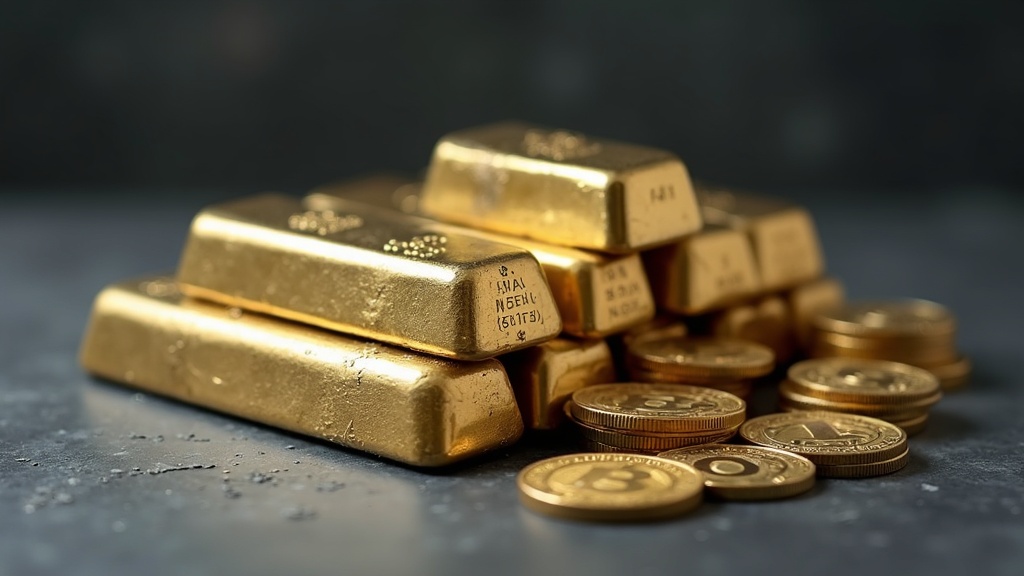
Bullion coins and bullion bars are both valued primarily for their precious metal content rather than rarity or design, but they differ in form, how they’re priced, how easily they’re bought and sold, and how straightforward they are to verify. Coins are minted in fixed weights by government or private mints and often carry legal tender status; bars are cast or minted in a wider range of sizes and are typically sold closer to the metal’s spot price. Neither form is inherently “better” — the right choice depends on what someone is trying to accomplish and how much flexibility they want later.
This article explains the mechanics of each so you can understand what you’re actually looking at, whether you’re a beginner browsing a coin show or someone who’s just been on the receiving end of a high-pressure sales pitch and wants a plain explanation before deciding anything.
What counts as a “bullion” product
In numismatic terms, “bullion” refers to precious metal valued for its weight and purity rather than its collectible or historical significance. This distinguishes bullion coins and bars from numismatic or “collector” coins, where rarity, condition, and demand among collectors can push value well beyond the metal content. If you’re new to the hobby, it helps to first get comfortable with basic terminology — the beginner’s guide to coin collecting terminology is a reasonable starting point before wading into bullion-specific vocabulary.
Both bullion coins and bars are stamped or marked with their weight and purity, and reputable products from established mints are refined to consistent, verifiable fineness. For gold, that’s often expressed in karats or as a decimal fineness like .999 — a distinction explained in more depth in our piece on gold purity, karats, and fineness. Silver bullion is commonly .999 fine as well, distinct from older circulating “junk silver” coinage, which our guide to junk silver purity covers separately.
Bullion coins: what they are
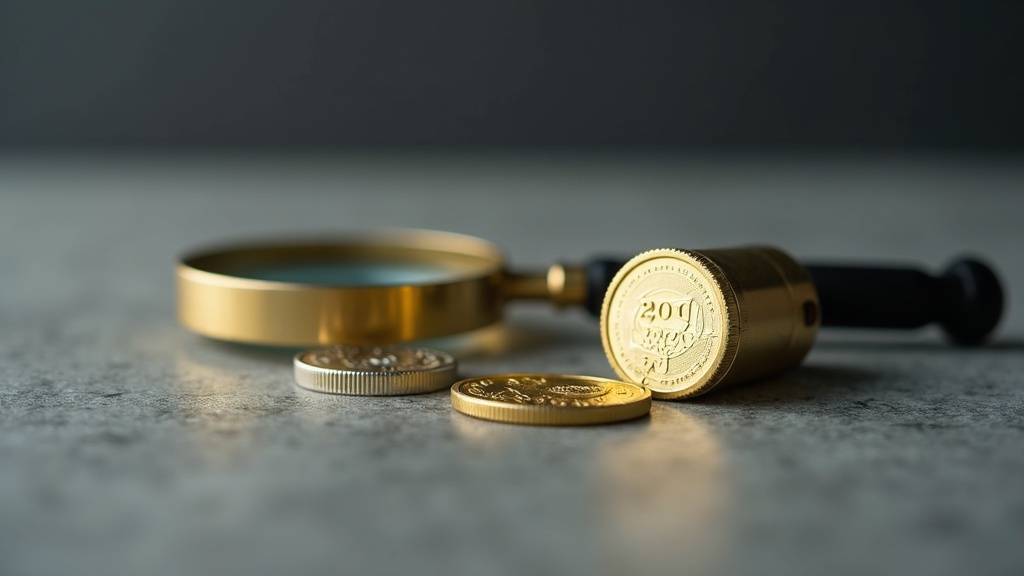
Bullion coins are struck by national mints (or, occasionally, well-established private mints) in standardized weights — commonly one troy ounce, along with fractional sizes like half-ounce, quarter-ounce, or tenth-ounce. Well-known examples include the American Gold Eagle, the American Silver Eagle, the Canadian Maple Leaf, the Krugerrand, and the Austrian Philharmonic. Each has its own production history and design details worth reading about if you want context beyond the metal itself — see our overviews of the American Gold Eagle, the American Silver Eagle, the Canadian Maple Leaf, the Krugerrand, and the Austrian Philharmonic.
Because national mints produce them in large, standardized runs with consistent designs, bullion coins are generally easy to recognize and widely traded. Many carry a nominal legal tender face value, though that face value is symbolic and unrelated to the coin’s actual metal content or market value. The mint’s reputation, the coin’s design consistency, and its wide recognition among dealers tend to make bullion coins relatively liquid — meaning they’re usually easy to resell without extensive independent verification, though a buyer or dealer may still want to check weight and appearance.
Bullion bars: what they are
Bullion bars are ingots of refined metal, typically rectangular, produced by private mints and refiners rather than national governments. They range from very small sizes up to large bars intended for institutional or vault storage, and they usually don’t carry any face value or legal tender status — they’re simply metal, stamped with weight, purity, a serial number (on many mid-to-large bars), and the refiner’s hallmark.
Because bars are less standardized in design than government coins, and because there are more refiners and less uniform recognition across the market, buyers sometimes rely more heavily on serial numbers, assay certificates, or independent testing to confirm authenticity — particularly for larger bars or bars from less widely known refiners. Coin basics like understanding mint marks and how to read identifying features on a piece, discussed generally in our coin basics and identification hub, carry over conceptually to bar verification, even though bars aren’t coins.
Key differences at a glance
| Feature | Bullion Coins | Bullion Bars |
|---|---|---|
| Issuer | National mints (mostly) | Private refiners and mints |
| Legal tender status | Often yes, nominal face value | Typically no |
| Standardization | High — consistent weights, designs | Variable by refiner and size |
| Typical premium over spot | Often somewhat higher | Often somewhat lower on larger bars |
| Liquidity / resale recognition | Generally broad and well-recognized | Depends on refiner reputation and size |
| Divisibility | Available in small fractional sizes | Ranges from small to very large |
Premiums — the amount charged above the raw metal value — vary by product, mint, size, and current market conditions, so any specific figure would be outdated almost immediately. What matters is understanding that premiums exist, that they tend to be proportionally higher on smaller items (because production costs don’t scale down as easily), and that comparing premiums across sellers is a normal part of due diligence rather than something to skip.
How purity and verification work
Both coins and bars from established mints and refiners are stamped with their fineness, and legitimate products are manufactured to tight tolerances. That said, “stamped” doesn’t mean “self-verifying” — counterfeiting of both bullion coins and bars exists in the market, which is why weight and dimension checks, magnetic testing, and in some cases professional assay or third-party authentication are used before larger purchases. Third-party grading services, more commonly associated with rare and collectible coins, generally don’t apply to plain bullion products the same way; our explainer on what grading services actually do covers that distinction if you’re wondering why a bullion coin isn’t typically sent in for grading the way a key-date collectible would be.
For anyone new to precious metals generally, it’s worth browsing the precious metals and bullion section of the site, which gathers coverage of specific bullion coins, purity standards, and related basics in one place.
Storage, insurance, and practical handling
Coins are easier to store in individual protective holders, tubes, or capsules, and their smaller unit size makes partial sales more flexible — you can sell one ounce without disturbing the rest of a holding. Bars, especially larger ones, are often more cost-efficient to store per ounce of metal but less flexible if you only want to liquidate part of a holding, since a large bar generally has to be sold or refined as a whole.
Both forms benefit from careful handling: avoiding excessive touching of coin surfaces, keeping items away from harsh cleaning agents, and storing them in a stable, low-humidity environment. Cleaning bullion, like cleaning any coin, can visibly damage the surface and is generally discouraged — a topic explored more fully in our article on how to tell if a coin has been cleaned.
A note on sales pressure
The bullion market attracts its share of aggressive sales tactics — claims that a currency collapse is imminent, pressure to “act before prices rise,” or pushes toward specialized retirement accounts with unusually high fees. Legitimate, reputable dealers don’t rely on urgency or fear to make a sale, and they’re generally comfortable with a buyer taking time, comparing prices elsewhere, or getting an independent second opinion before a large purchase. If a pitch feels rushed or built around scare language, that alone is worth pausing on.
Frequently asked questions about bullion coins vs bars
Are bullion coins worth more than bars of the same weight?
Not necessarily because of the metal itself — an ounce of a given purity is an ounce. Coins often carry a higher premium above spot price than bars of similar purity because of minting costs, government backing, and easier recognition, but this varies by product and current market conditions.
Which is easier to sell, bullion coins or bars?
Widely recognized bullion coins from major national mints are generally easy to resell because dealers and buyers immediately recognize them. Bars can be just as sellable, especially from well-known refiners, but less common or unbranded bars sometimes require more verification before a buyer accepts them.
Do bullion bars have serial numbers like paper money?
Many mid-size and larger bars are stamped with an individual serial number along with weight, purity, and the refiner’s hallmark, often paired with an assay card. Very small bars sometimes skip individual serials due to space and cost.
Is it cheaper to buy a big bar than several small coins?
Larger bars often carry a lower premium per ounce than small coins because production costs per unit of metal drop as size increases, but the actual amount varies by product, refiner, and market conditions, so comparing current prices from more than one source is reasonable before deciding.
Can bullion coins and bars be counterfeited?
Yes, counterfeiting affects both bullion coins and bars, which is why checking weight, dimensions, and markings against known specifications, and considering professional verification for larger purchases, is a standard precaution rather than an overreaction.
Gold Coins Today publishes general information about coin collecting and precious metals, not financial, investment, tax or legal advice. We are writers and editors, not certified numismatists, appraisers, financial advisors or dealers. Coin and bullion values change constantly and depend on condition, authenticity and the current market — get a current appraisal or spot price from a qualified, reputable source before buying or selling, and consult a licensed financial advisor before treating precious metals as part of an investment strategy.