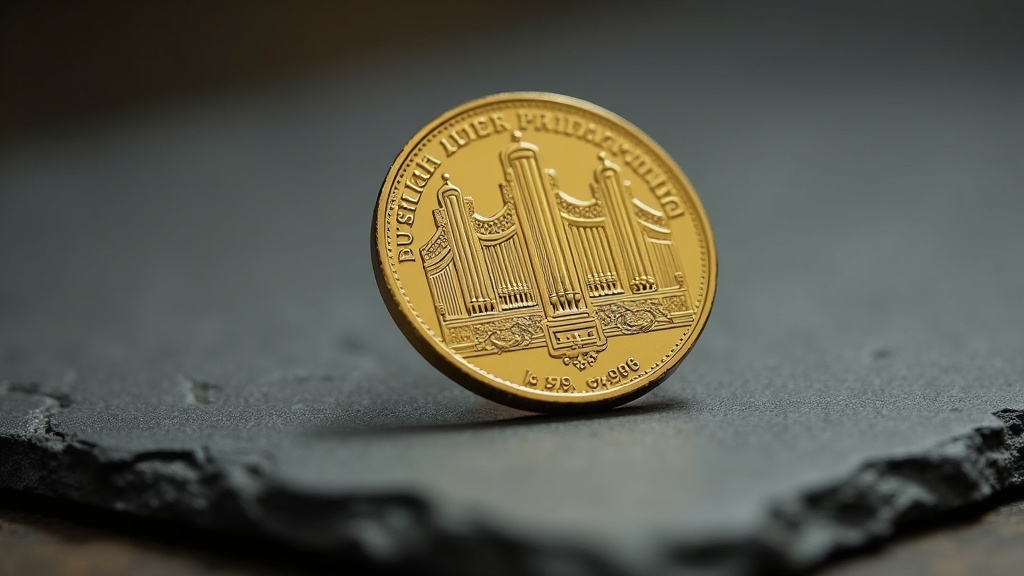
The Austrian Philharmonic is a bullion coin series struck by the Austrian Mint (Münze Österreich) since 1989, issued in gold and, since 2008, in silver, with a platinum version added more recently. It is best known for its music-themed design honoring the Vienna Philharmonic Orchestra, and for being struck in high purity with well-documented weight and diameter specifications that make it easy to compare against other national bullion programs. Gold versions come in one-ounce and several fractional sizes, while the silver coin is issued primarily in a one-ounce format.
Origins of the Philharmonic series
The Austrian Mint introduced the gold Philharmonic in 1989, partly to give European buyers a domestically produced alternative to bullion coins like the Krugerrand, which by then had a long track record described in The Krugerrand: History and Design. Austria has a centuries-long minting tradition, and the Mint drew on that history and on its relationship with the Vienna Philharmonic Orchestra to create a coin that would represent the country’s cultural identity rather than a political or military figure, which was the more common approach among older national coinages.
The coin quickly became one of the best-selling gold bullion products in Europe, and its popularity encouraged the Mint to expand the line. A silver one-ounce version was introduced in 2008, using the same design elements scaled to a different metal and diameter. A platinum version came later still, following the same visual theme across all three metals. This multi-metal approach is somewhat unusual; most national mints stick to a single primary metal for their flagship bullion coin, the way the U.S. Mint does with the design discussed in The American Gold Eagle: History and Specifications.
Design details
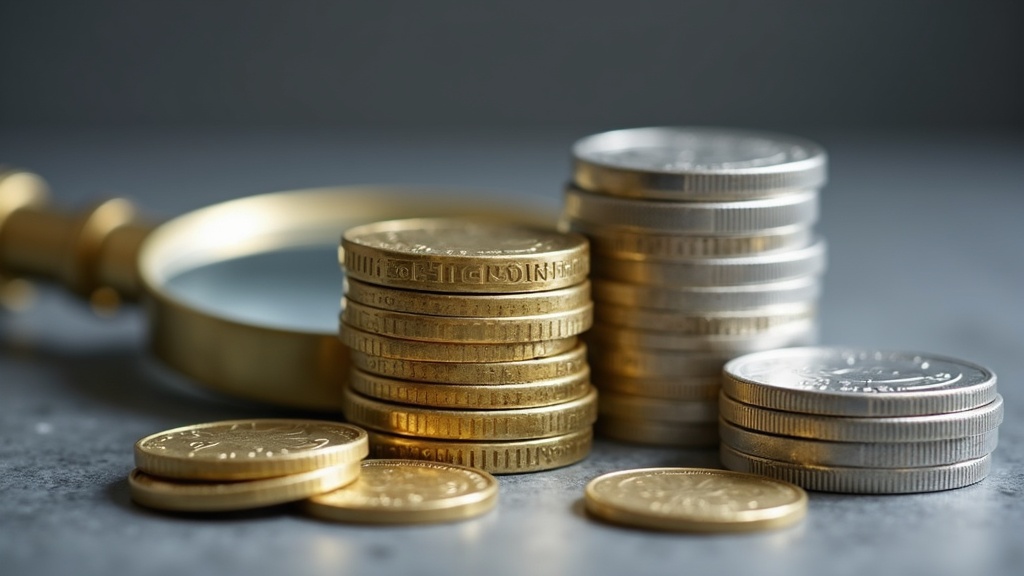
Every denomination and metal in the Philharmonic series shares the same two design elements. The obverse depicts the great pipe organ of the Vienna Musikverein concert hall, home of the Vienna Philharmonic Orchestra. The reverse shows a grouping of orchestral instruments: the Vienna Horn, a bassoon, a harp, and four violins, arranged around a cello. Neither side carries a portrait, which sets the Philharmonic apart from many historical and modern bullion coins that feature a monarch, president, or allegorical figure.
The design has stayed essentially unchanged since 1989, aside from small adjustments to lettering, the addition of the denomination and metal purity, and minor engraving refinements over the decades. This visual consistency is part of what makes the coin easy to recognize at a glance, similar to how the maple leaf design anchors the coin covered in A Guide to the Canadian Maple Leaf Bullion Coin.
Specifications by metal
The table below summarizes the standard specifications collectors and buyers typically look for. Because the Austrian Mint has issued fractional gold sizes and adjusted certain details over time, these figures describe the most common current issues rather than every historical variation.
| Metal | Common sizes | Purity | Typical diameter |
|---|---|---|---|
| Gold | 1 oz, 1/2 oz, 1/4 oz, 1/10 oz, 1/25 oz | .9999 fine gold | varies by size |
| Silver | 1 oz | .999 fine silver | approximately 37 mm |
| Platinum | 1 oz | .9995 fine platinum | approximately 32 mm |
The gold Philharmonic’s .9999 fineness places it among the purer national gold bullion coins, alongside coins like the Canadian Maple Leaf, and contrasts with alloyed coins such as the American Gold Eagle or the British Sovereign, which mix in other metals for added durability. That difference in alloying is explained in more detail in Understanding British Sovereign Gold Coins, and it’s worth understanding before comparing coins purely by weight, since purity affects how much fine metal a given coin actually contains.
Face value and legal tender status
Like most modern bullion coins, the Philharmonic carries a face value denominated in euros, which is far below the value of the metal it contains. This face value exists so the coin qualifies as legal tender in Austria, but in practice the coin’s actual value is driven by its metal content, purity, and prevailing market conditions rather than the printed denomination. This is the same structure used across nearly all bullion coin programs worldwide, and it’s a useful thing for newer collectors to understand early, alongside other foundational concepts covered in the Beginner’s Guide to Coin Collecting Terminology.
Bullion coin versus numismatic interest
The Philharmonic was designed primarily as a bullion product, meant to be bought and sold close to the value of its metal content rather than collected for rarity or historical significance in the way many older world and ancient coins are. That said, certain early-date issues, low-mintage fractional sizes, or coins in exceptional condition can attract additional interest from collectors. Distinguishing between a coin’s bullion value and any numismatic premium is a skill that takes some practice, and readers newer to the hobby may find it helpful to review general guidance on What Does Coin Grading Actually Mean? before assuming any particular example carries a premium over its metal content.
Anyone comparing the Philharmonic to older or historically significant bullion-adjacent coins may also want to browse the wider World & Ancient Coins archive, which covers coinage from a range of eras and regions and offers context for how modern bullion programs like this one fit into the much longer history of coined money.
Storage, authentication, and buying considerations
Because the Philharmonic is widely produced and traded, counterfeits and misrepresented coins do exist in the secondary market, as with any popular bullion product. Buyers should look for consistent weight, diameter, and design detail, and consider having an unfamiliar coin examined by a knowledgeable third party before a large purchase. Reasonable storage practices, protective holders, and basic handling precautions all help preserve a coin’s surfaces and, by extension, its long-term desirability. General handling and storage guidance, including a comparison of common holder types, is available in Coin Album vs Coin Folder vs Coin Holders.
It’s also worth noting that this segment of the market attracts aggressive sales tactics, including urgency-driven pitches tied to economic fear or promises of guaranteed appreciation. Legitimate dealers do not need to pressure a buyer into a same-day decision, and seeking a second opinion or an independent appraisal before a significant purchase is a reasonable and common practice, not a sign of distrust.
Frequently asked questions about the Austrian Philharmonic
What is the purity of the Austrian Philharmonic gold coin?
The gold Philharmonic is struck in .9999 fine gold, meaning it is essentially 24 karat, undiluted gold. This puts it among the purest national gold bullion coins, similar in fineness to coins like the Canadian Maple Leaf rather than alloyed designs such as the American Gold Eagle.
How much does a one-ounce Austrian Philharmonic weigh?
A standard one-ounce Philharmonic, whether gold, silver, or platinum, contains one troy ounce of fine metal, though the total coin weight and diameter differ slightly by metal due to density differences. Fractional gold sizes contain proportionally less metal in smaller diameters.
What is depicted on the Austrian Philharmonic coin?
The obverse shows the great organ of the Vienna Musikverein concert hall, and the reverse shows a group of orchestral instruments including violins, a cello, a harp, a bassoon, and the Vienna Horn. The design has remained largely unchanged since the coin’s introduction in 1989.
Is the Austrian Philharmonic a good coin for beginners?
Many collectors find it approachable because of its consistent purity, recognizable design, and wide global availability, which makes authentication and comparison relatively straightforward. Whether any particular coin fits a person’s goals depends on individual circumstances, so it’s worth researching specifications and getting independent guidance before buying.
How can I tell if my Austrian Philharmonic coin is genuine?
Checking weight, diameter, and design details against official Austrian Mint specifications is a reasonable first step, and comparing the coin to verified images can help spot obvious inconsistencies. For higher-value purchases, having the coin examined by a knowledgeable, independent third party before finalizing a transaction is a sensible precaution.
Gold Coins Today publishes general information about coin collecting and precious metals, not financial, investment, tax or legal advice. We are writers and editors, not certified numismatists, appraisers, financial advisors or dealers. Coin and bullion values change constantly and depend on condition, authenticity and the current market — get a current appraisal or spot price from a qualified, reputable source before buying or selling, and consult a licensed financial advisor before treating precious metals as part of an investment strategy.