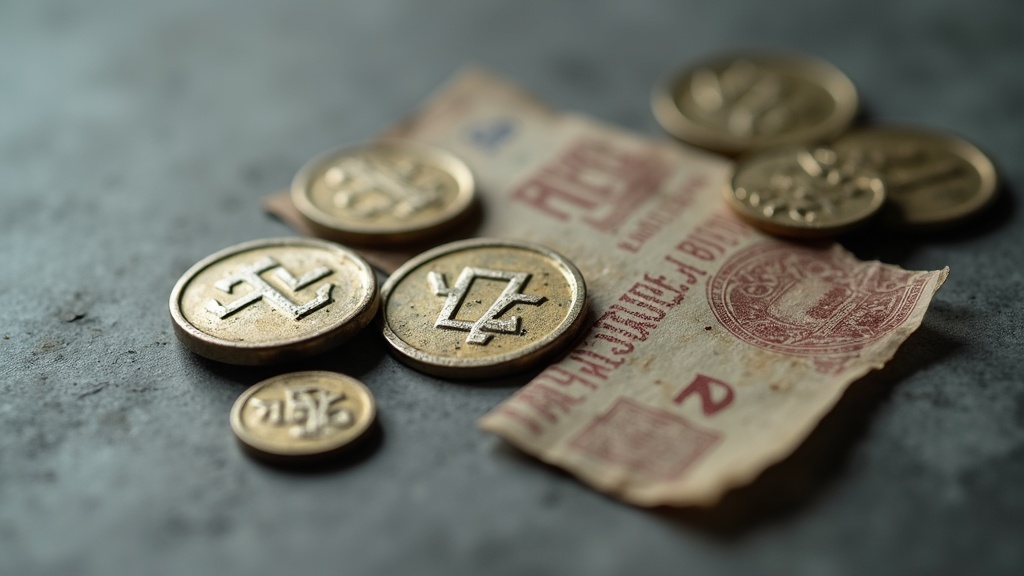
Collecting World War era emergency money and tokens means gathering the substitute currencies and small-denomination pieces that governments, cities, companies, prisoner-of-war camps, and merchants issued when official coin and paper money ran short during and after the First and Second World Wars. These items are collected for their historical context and design variety rather than any bullion content, since most were made from paper, zinc, aluminum, fiber, or other low-cost materials chosen specifically because precious metal was unavailable. Prices and rarity vary enormously by issuer, condition, and completeness of a set, so this guide focuses on what these pieces are and how to evaluate them rather than what any particular example is worth.
What Counts as “Emergency Money”
Emergency money, often known by the German term Notgeld (“necessity money”), refers to locally issued currency that stepped in when a nation’s normal coinage and banknotes became scarce, devalued, or logistically unavailable. This happened repeatedly during and after both World Wars for a mix of reasons: metal was diverted to munitions production, transportation networks broke down, hyperinflation made small change worthless to produce, or occupying authorities restricted the circulation of national currency. Cities, chambers of commerce, factories, and even individual businesses stepped in to issue their own notes and tokens so that daily transactions could continue.
The category overlaps with, but is distinct from, ordinary world coinage from the same period. Emergency issues were almost always meant to be temporary, locally circulated, and quickly withdrawn once normal money supply resumed, which is part of why so many surviving examples are heavily worn or exist only in small quantities today.

Common Types Collectors Encounter
German and Austrian Notgeld
The best-known emergency money comes from Germany and Austria, first during the metal shortages of the First World War and then again during the hyperinflation of the early 1920s. Municipalities issued small paper notes, sometimes beautifully illustrated with local scenes, folklore, or propaganda themes, in denominations that later escalated into the billions of marks as inflation accelerated. Some later Notgeld was printed on unusual materials such as silk, linen, wood, leather, or even pressed coal dust, largely as a novelty aimed at collectors of the day rather than genuine commerce.
Siege and Occupation Issues
Besieged towns and occupied territories throughout both wars sometimes produced their own stopgap currency when supply lines to a central mint were cut. Occupation authorities in various theaters also issued special currency for use in controlled zones, distinct from the money used in the occupying power’s home territory.
Prisoner-of-War and Internment Camp Scrip
Camp administrations, both Allied and Axis, issued canteen coupons and scrip so that prisoners could make small purchases without handling currency that might aid escape or black-market activity. These pieces are typically simple in design, made of card, fiber, or thin metal, and are prized by specialists precisely because they document a narrow and well-defined slice of wartime life.
Merchant and Trade Tokens
Local businesses, cooperatives, and transit systems sometimes issued their own tokens for fare, goods, or services when official small change was hoarded or scarce. These functioned much like the older tradition of civilian trade tokens seen in other eras and regions, and collectors researching this broader habit of substitute coinage may find useful context in material on trade coinage issued for commerce more generally.
Materials and Manufacture
Because these issues existed specifically to work around metal shortages, their materials tell part of the story. Common substitutes included zinc, iron, aluminum, and low-grade alloys instead of the copper, nickel, or silver used in prewar coinage. Paper and pressed-fiber notes were cheaper and faster to produce than struck coins, which mattered when authorities needed currency quickly. Porcelain tokens, an especially collectible German curiosity from the 1920s, were produced by porcelain manufacturers looking to keep factories running and to create novelty items for the growing hobbyist market once emergency money became a collecting fad in its own right.
Recognizing these materials is a useful first identification step, similar in spirit to the kind of visual analysis covered in general coin collecting terminology resources, since terms like planchet, fineness, and strike apply loosely here even though these pieces sit outside official mint production.
What Drives Value and Collectibility
As with any collectible, condition, rarity, and demand all play a role, but emergency money has some category-specific quirks worth understanding before assuming a piece is significant:
- Completeness of sets: Many towns issued Notgeld in themed series with multiple denominations and designs; collectors and dealers often value complete sets differently than scattered singles.
- Genuine circulation vs. collector issues: Some later Notgeld was produced explicitly for sale to collectors rather than for actual commerce, and this distinction matters to specialists even though both types are legitimately old and historically interesting.
- Condition and paper stability: Paper notes are vulnerable to fading, foxing, tears, and brittleness in ways struck coins are not, so storage and handling history affect surviving condition significantly.
- Documentation: Pieces with clear, traceable issuing authority, date, and denomination are generally easier to research and place in context than unmarked or ambiguous tokens.
Because so much of this material was mass-produced for temporary use, a plain assumption that “old” automatically means “rare” does not hold here. Anyone weighing a purchase should treat a confident value claim with some skepticism and, for anything beyond a casual purchase, seek an independent opinion rather than relying solely on a seller’s description — advice that applies across the hobby, as discussed in our overview of common mistakes beginning collectors make.
Starting a Collection
Many collectors approach emergency money thematically — by country, by war, by camp, or by material — rather than trying to build an exhaustive collection, since the sheer volume of local issues makes completism impractical. If you are new to organizing a collection generally, the practical steps outlined in our guide on how to start a coin collection from scratch apply just as well to paper Notgeld and small tokens as to coinage. Storage deserves particular attention: paper notes benefit from acid-free holders and stable humidity, while metal tokens should be kept dry and handled the way any other basic coin identification resource would recommend, by the edges and away from harsh cleaning. Our piece on how to tell if a coin has been cleaned is written with struck coins in mind, but the underlying caution — that cleaning usually reduces both originality and appeal rather than improving it — holds for tokens too. For organizing a growing group of small, varied pieces, comparing options in our album vs. folder vs. holder guide can help you choose housing that protects fragile paper and thin metal alike.
Buying Carefully
Emergency money and wartime tokens sometimes attract sellers who lean on dramatic historical narratives — hyperinflation, wartime scarcity, “the collapse of currency” — to push a sale. A legitimate dealer will explain an item’s history and condition without pressure and will welcome questions about provenance. If you are ever encouraged to buy quickly, told a piece is disappearing from the market, or steered toward treating these items as a financial strategy rather than a historical collectible, it is entirely reasonable to pause, ask for documentation, and get a second, independent opinion before committing to a larger purchase.
Frequently asked questions about collecting World War era emergency money and tokens
What is Notgeld and why was it made?
Notgeld is emergency paper money issued mainly by German and Austrian towns, banks, and businesses during and after both World Wars when official coin and currency became scarce or worthless due to inflation, metal shortages, or supply disruptions.
Are World War era emergency tokens rare?
Some are genuinely scarce, but many types were mass-produced or made later specifically for collectors, so rarity varies widely by issuer, denomination, and series rather than by age alone.
What materials were used for emergency money besides paper?
Common substitutes included zinc, aluminum, iron, pressed fiber, and even porcelain, chosen because they were cheaper and more available than the copper, nickel, or silver used in prewar coinage.
How can I tell if a piece of emergency money is authentic?
Look for consistent printing or striking quality, plausible wear for its stated age, and clear issuing information, and compare against reference material or seek an independent opinion before assuming authenticity from a listing description alone.
How should I store paper Notgeld and metal wartime tokens?
Paper notes generally do best in acid-free holders away from humidity and direct light, while metal tokens should be kept dry and handled by the edges, similar to general care recommended for any collectible coinage.
Gold Coins Today publishes general information about coin collecting and precious metals, not financial, investment, tax or legal advice. We are writers and editors, not certified numismatists, appraisers, financial advisors or dealers. Coin and bullion values change constantly and depend on condition, authenticity and the current market — get a current appraisal or spot price from a qualified, reputable source before buying or selling, and consult a licensed financial advisor before treating precious metals as part of an investment strategy.