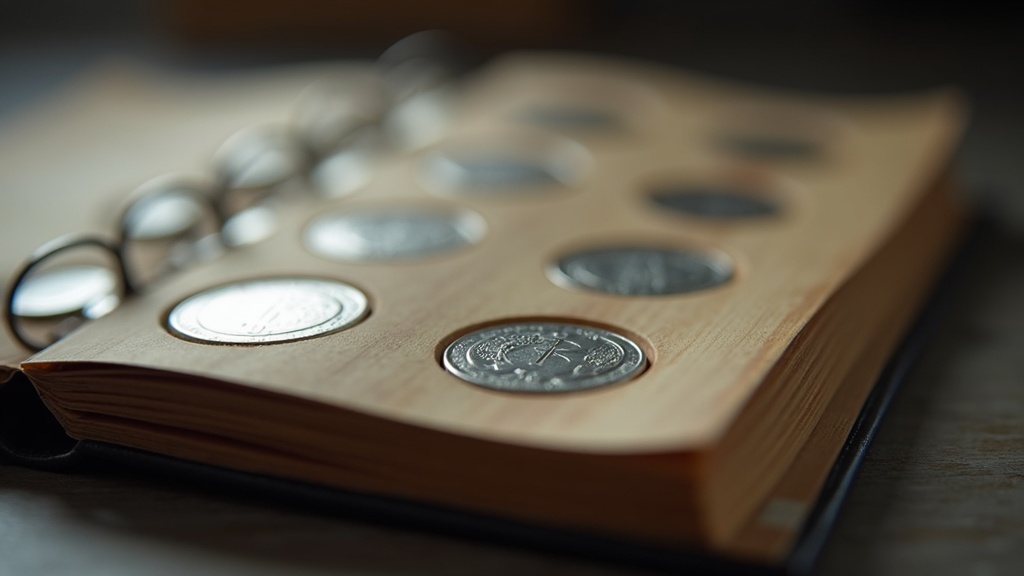
A coin album is a bound book with rigid pages and individual openings that show both sides of each coin; a coin folder is a simpler cardboard board with punched holes for one side of the coin at a time; and coin holders is a broad term for individual protective housings—flips, capsules, or two-by-two cardboard mounts—used for single coins. The right choice depends on whether you want a display-friendly collection, an inexpensive way to organize a date run, or maximum protection for individual coins.
Anyone building a collection eventually has to decide how to store it, and the options can feel more complicated than they need to be. This guide breaks down how each format works, what it protects against, and where it tends to fall short, so you can match storage to your own goals rather than whatever a shop happens to be selling that day.
Coin albums: bound, two-sided display
A coin album is typically a hardbound book with several pages, each page containing round or square openings sized for a specific coin series—Lincoln cents, Washington quarters, Morgan dollars, and so on. Most albums use a slide-in mylar or acetate sheet that holds the coin in place while allowing both the obverse and reverse to be viewed without removing the coin.
Albums are popular for collectors working through a date-and-mint-mark set, since the pages are usually pre-printed with labels for each year and mint mark, making gaps in a set easy to spot at a glance. If you’re just getting oriented in the hobby, the overview at how to start a coin collection from scratch covers how albums fit into a first collection.
The tradeoffs are cost and handling risk. Albums cost more per coin than folders, and sliding coins in and out of tight page slots repeatedly can put light stress on the coin’s edge or surface if done carelessly. For coins already in individual holders, some collectors use albums designed to hold capsules instead of bare coins, trading a bit of display elegance for better physical protection.
Coin folders: the budget-friendly starter option
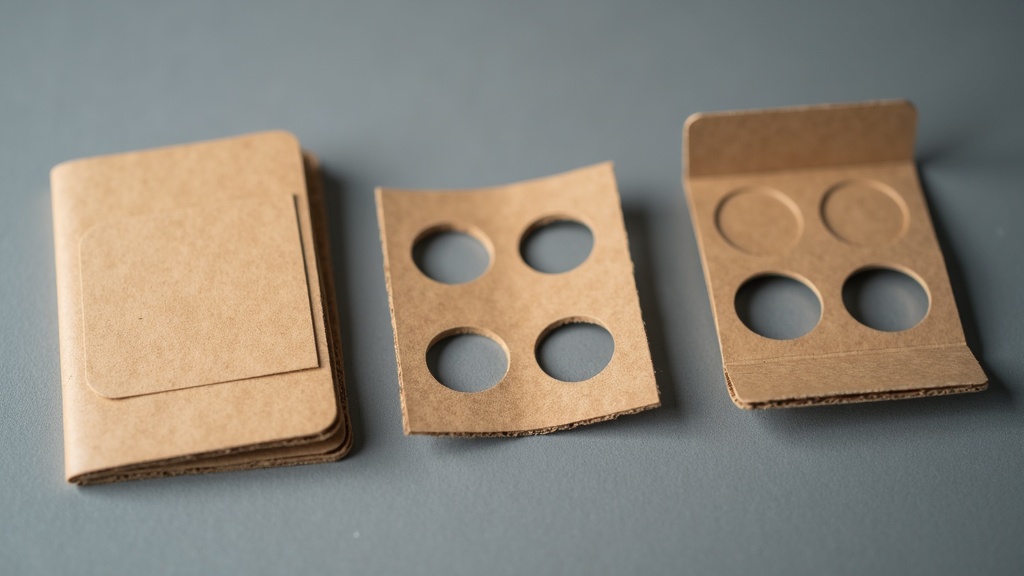
A coin folder is a folded cardboard board with circular punched holes, each one labeled for a specific date and mint mark within a series. The coin sits in the hole with only one side visible; the reverse rests against the cardboard. Folders are inexpensive, widely available, and a common first purchase for anyone starting a set of a common series like Jefferson nickels or Roosevelt dimes.
The main drawback is that folders offer minimal physical protection. The coin makes direct contact with cardboard, which can contain trace acids or sulfur compounds that may contribute to toning or surface changes over long periods, particularly with copper coins. Folders also expose one side of the coin to open air and occasional handling, so they’re best suited to circulated, common-date coins rather than pieces in higher grades or coins a collector considers a key date worth extra care.
Folders remain a reasonable, low-cost way to learn how coins are organized by date and mint, and the terminology used on folder labels lines up with what’s explained in the beginner’s guide to coin collecting terminology.
Coin holders: protecting individual coins
“Coin holders” is the catch-all term for products meant to house one coin at a time, separate from a bound book or folder page. Common types include:
- Cardboard 2×2 holders: a folded cardboard mount with a clear mylar window, stapled shut around the coin. Inexpensive and widely used for storage and mailing, though staples must be placed carefully to avoid touching the coin.
- Flips: soft plastic sleeves, sometimes with a cardboard insert, that a coin slides into. Useful for short-term handling but not always ideal for long-term storage if the plastic isn’t inert.
- Rigid capsules: two-piece hard plastic shells that snap around a coin, holding it snugly without pressure on the faces. Capsules offer strong physical protection and are a common choice for coins already graded or considered more valuable.
- Third-party grading slabs: sealed plastic holders issued by professional grading services after a coin has been authenticated and assigned a grade. These are a different category from hobbyist holders since they’re tied to a specific grading opinion; the process behind them is explained in what third-party grading services actually do.
Individual holders are generally the safest option for coins a collector wants to preserve carefully, since the coin isn’t repeatedly slid against cardboard or plastic page material. The tradeoff is that holders don’t organize a set visually the way an album does—each coin is protected on its own, but you lose the “fill in the gaps” layout that makes albums and folders satisfying for set collecting.
Comparing the three formats
| Format | Protection level | Display value | Typical cost | Best suited for |
|---|---|---|---|---|
| Coin album | Moderate to good | High — both sides visible, organized by date | Higher | Building a visible date set |
| Coin folder | Low to moderate | Moderate — one side visible | Low | Common circulated coins, beginners |
| Individual holders | Good to excellent | Low — coins stored separately | Varies | Coins needing extra protection |
What actually matters when choosing
Material quality matters more than the category label. Look for products described as archival, inert, or PVC-free, since some older plastics can react with metal surfaces over time and contribute to visible film or haze. This is closely related to the concerns discussed in how to tell if a coin has been cleaned, since improper storage and improper cleaning can produce similar-looking surface issues.
Handling habits matter as much as the holder itself. Coins should be handled by their edges, kept away from direct skin contact on the faces, and moved in and out of any holder gently. A coin’s grade, discussed in guides like what does coin grading actually mean and the Sheldon coin grading scale, reflects surface preservation closely, so storage choices genuinely affect how a coin might be assessed later.
For collectors tracking mint marks and dates as they fill a folder or album, the reference on how to read the date and mint mark on a US coin is a useful companion, and the broader coin basics and identification hub covers related fundamentals like recognizing varieties and errors.
If you’re ever offered a large batch of coins pre-sealed in unfamiliar holders as part of a high-pressure sales pitch, it’s reasonable to ask for an independent look before buying — legitimate sellers don’t rush a purchase, and a second opinion costs little compared to the peace of mind it provides.
Frequently asked questions about coin albums, folders, and holders
Are coin albums bad for coins?
Not inherently, but sliding coins in and out of tight album slots repeatedly can cause minor surface contact. Using albums designed for capsules, or handling coins by their edges only when placing them, reduces this risk considerably over time.
What’s the difference between a coin folder and a coin album?
A folder is a single cardboard board showing one side of each coin through a punched hole; an album is a bound multi-page book, usually with sliding acetate sheets, that displays both sides of each coin and is more protective and more expensive.
Can I store coins in plastic bags?
Ordinary plastic bags aren’t recommended for individual coins since many aren’t inert and can react with metal surfaces over time. Purpose-made flips, capsules, or archival holders are generally a safer choice for anything beyond very short-term handling.
Do coin holders affect a coin’s grade?
The holder itself doesn’t determine grade, but poor storage that leads to scratches, haze, or toning can affect how a coin’s surfaces look when evaluated. Consistent, careful storage simply helps preserve the condition a coin already has.
What’s the cheapest way to store a coin collection?
Cardboard folders and basic 2×2 cardboard holders are typically the least expensive options, making them common starting points for beginners organizing common circulated coins before investing in albums or rigid capsules for more significant pieces.
Gold Coins Today publishes general information about coin collecting and precious metals, not financial, investment, tax or legal advice. We are writers and editors, not certified numismatists, appraisers, financial advisors or dealers. Coin and bullion values change constantly and depend on condition, authenticity and the current market — get a current appraisal or spot price from a qualified, reputable source before buying or selling, and consult a licensed financial advisor before treating precious metals as part of an investment strategy.