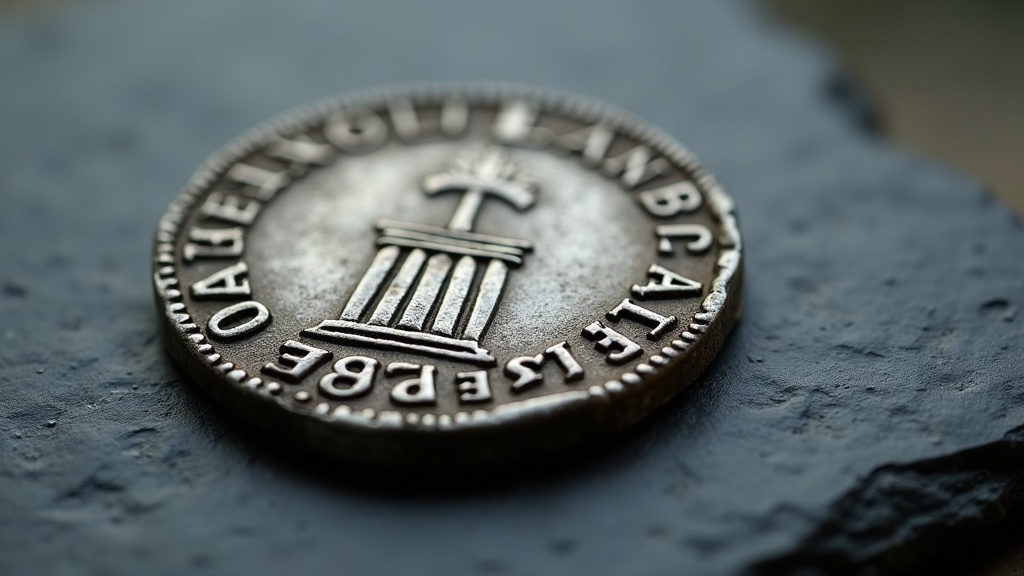
Spanish colonial pieces of eight, formally known as eight reales coins, were large silver coins struck across the Spanish empire from the 1500s into the 1800s at mints in Spain, Mexico, Peru, and elsewhere. They earned their nickname because they were worth eight reales, a unit small enough to be cut into pieces for change, and they became one of the most widely circulated coins in world history. Today they are collected both for their historical role in global trade and as tangible examples of early large-format silver coinage.
What “pieces of eight” actually means
The name comes directly from the coin’s denomination: eight reales, the largest standard silver coin in the Spanish monetary system. Because the coin was worth eight of the smaller real units, it was sometimes literally cut into eight wedge-shaped pieces, each worth one real, so that everyday transactions could be made with a coin that would otherwise be too valuable for small purchases. This practice is part of the origin story behind the American slang term “two bits” for a quarter, since two of those cut pieces equaled a quarter of the whole coin.
Spanish colonial silver was minted from ore extracted primarily in the Americas, most famously from the mountain of Potosí in present-day Bolivia and from mines in Mexico. The scale of that silver output helped make the eight reales coin a dominant medium of exchange far beyond Spain’s own borders, circulating through Europe, Asia, and the early United States for well over two centuries.
Cobs versus milled coinage
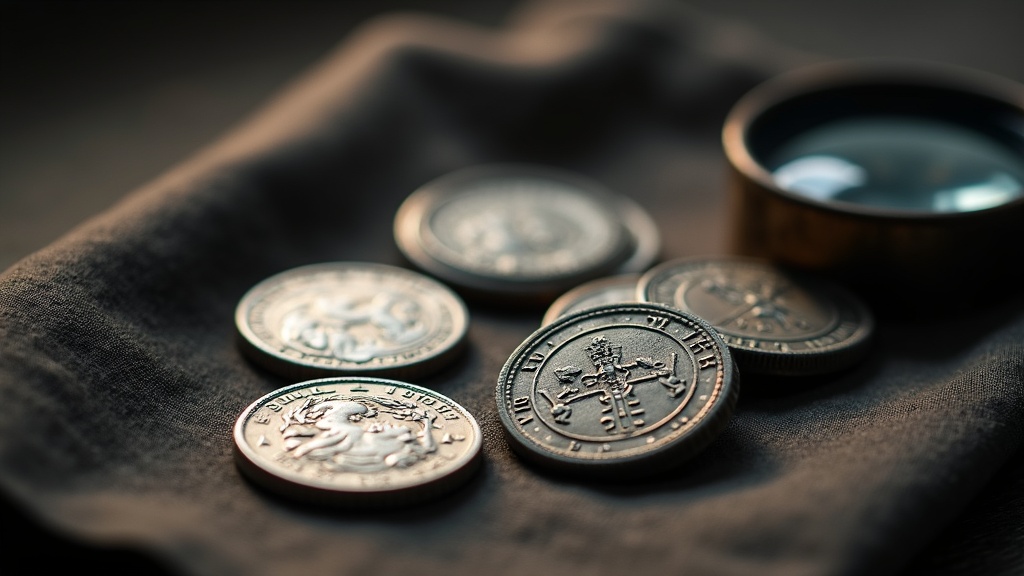
Collectors generally divide Spanish colonial pieces of eight into two broad manufacturing eras, and recognizing the difference is one of the first identification skills worth learning.
Cob coinage
Early pieces of eight, often called “cobs,” were cut from irregular silver bars and struck by hand between two dies. The result is a coin with an uneven, sometimes almost rough-cut shape, off-center designs, and dates or mint marks that may be only partially visible. Cobs were functional money meant to convey a precise weight and fineness of silver rather than a polished appearance, and their irregularity is part of what makes them visually distinctive compared to later, more uniform coinage. Readers interested in how early minting technology shaped a coin’s look more broadly may find useful context in the site’s overview of medieval European coinage, which covers similar hand-struck methods used before mechanized minting became standard.
Milled coinage
By the mid-1700s, Spanish colonial mints shifted to screw presses and rolling mills that produced rounder, more consistent coins with clearer devices, typically showing the Spanish coat of arms on one side and crowned pillars representing the Pillars of Hercules with a banner across them on the other. This later “pillar dollar” style is often what people picture when they hear the term piece of eight, and it circulated widely enough to directly influence the design and value standard of early United States silver coinage.
Why pieces of eight mattered to world trade
Spanish colonial eight reales coins functioned as an early global reserve currency. Their silver content was relatively standardized and widely trusted, so merchants from the Caribbean to the Philippines to coastal China accepted them readily, sometimes counterstamping or “chop marking” them to indicate a local merchant’s verification of authenticity and weight. In the young United States, pieces of eight circulated alongside domestic coinage well into the 19th century and directly influenced the decision to base the U.S. dollar on a similarly sized silver coin. Readers exploring how the United States built its own coinage system around this era may want to look at the site’s material on Draped Bust and early American coinage, which covers the period when Spanish and American silver coins circulated side by side.
The coin’s international reach is also why it later inspired dedicated trade coinage. The United States eventually minted its own coin specifically intended for use in Asian trade markets, discussed in the site’s article on the trade dollar, which shares some of the same “coin as accepted bullion” logic that made pieces of eight so successful centuries earlier.
Identifying and evaluating a piece of eight
Because these coins were struck across many mints over roughly three centuries, condition, mint origin, date legibility, and design variety all affect how a given example is regarded by collectors. A few practical things to look at:
- Shape and strike: Cobs are irregular by nature; a “too perfect” round shape on a coin claimed to be an early cob is worth questioning.
- Mint marks: Letters indicating the mint of origin (such as Mexico City, Potosí, or Lima) can usually be found worked into the design, though wear or an off-center strike may obscure them.
- Assayer initials and date: Many pieces carry initials of the assayer responsible for certifying the silver’s fineness, along with a date, though on cobs these are frequently partial or missing entirely.
- Surface condition: Centuries of circulation, shipwreck recovery, or past cleaning attempts all affect how a coin’s surface looks under magnification. The site’s general guide on how to tell if a coin has been cleaned applies to Spanish colonial silver just as it does to more modern coinage, since cleaning can flatten details and reduce a coin’s appeal to collectors.
Because dates, mint marks, and assayer marks can be hard to read on genuinely old, worn, or salvage-recovered coins, and because reproductions and heavily altered pieces exist in this market, a formal opinion from a qualified grading service or an independent appraiser is genuinely useful before assuming a coin’s specific mint, date, or condition. The site’s overview of what grading services actually do explains the kind of authentication and condition assessment that process provides, and the same logic behind our broader introduction to coin basics and identification style guides applies here: learn the general markers, then confirm specifics with an expert rather than guessing.
Shipwreck coins and provenance
A notable subset of Spanish colonial pieces of eight in today’s market comes from documented shipwreck recoveries, since Spanish treasure fleets carrying silver back to Europe were sometimes lost at sea. Coins recovered from a well-documented wreck often carry paperwork tying them to that specific find, which some collectors value for the historical story it adds. As with any claim about a coin’s origin, provenance documentation is worth reviewing carefully, and a large purchase built around a shipwreck story is a reasonable candidate for a second, independent opinion before money changes hands.
A note on sales pressure in this niche
Because Spanish colonial coins carry dramatic history, they are sometimes marketed with urgency, scarcity claims, or dramatic economic framing designed to rush a decision. Legitimate dealers and auction houses do not need high-pressure tactics to sell genuinely interesting historical coins on their own merits. If a seller emphasizes urgency over documentation, that is a reasonable moment to slow down, ask for provenance and grading details in writing, and seek an independent appraisal before committing to a purchase.
Where pieces of eight fit in a broader collection
For collectors building out a general sense of pre-modern coinage, Spanish colonial silver sits alongside other historically significant series worth understanding on their own terms, from the hand-struck coinage of the ancient world covered in the site’s introduction to ancient Roman coins to more structured national series covered across the site’s US coins and history archive. Beginners specifically starting a collection that includes world or colonial coinage may also find it useful to review the site’s guide to starting a coin collection from scratch, since organizing, storing, and researching older world coinage involves some different considerations than collecting modern series.
Frequently asked questions about Spanish colonial pieces of eight
What is a Spanish colonial piece of eight actually worth?
Value depends on factors like silver content, date and mint rarity, condition, and documented provenance such as a shipwreck history. Because prices shift with the silver market and collector demand, a current appraisal from a qualified numismatist or a live spot-price reference is the only reliable way to get an actual figure.
How can I tell if my piece of eight is real?
Genuine examples show consistent silver weight, appropriate wear patterns, and design details matching the mint and era claimed. Because convincing reproductions and heavily altered coins exist, having a suspected genuine piece examined or graded by a qualified third party is the most reliable way to confirm authenticity.
Why are some pieces of eight oddly shaped?
Early Spanish colonial coins called cobs were cut from irregular silver bars and struck by hand rather than machine-rolled, so their outlines are naturally uneven rather than perfectly round, unlike the later machine-milled versions.
Did pieces of eight actually circulate in early America?
Yes. Spanish colonial silver coins circulated widely in the American colonies and early United States due to a shortage of domestic coinage, and their weight and denomination system directly influenced the design of early U.S. silver dollars.
Are shipwreck-recovered pieces of eight different from other examples?
They can carry documented recovery history and characteristic surface effects from long submersion, which some collectors find historically appealing, but their value still depends on the same condition and authenticity factors as any other coin, so provenance paperwork is worth reviewing carefully.
Gold Coins Today publishes general information about coin collecting and precious metals, not financial, investment, tax or legal advice. We are writers and editors, not certified numismatists, appraisers, financial advisors or dealers. Coin and bullion values change constantly and depend on condition, authenticity and the current market — get a current appraisal or spot price from a qualified, reputable source before buying or selling, and consult a licensed financial advisor before treating precious metals as part of an investment strategy.