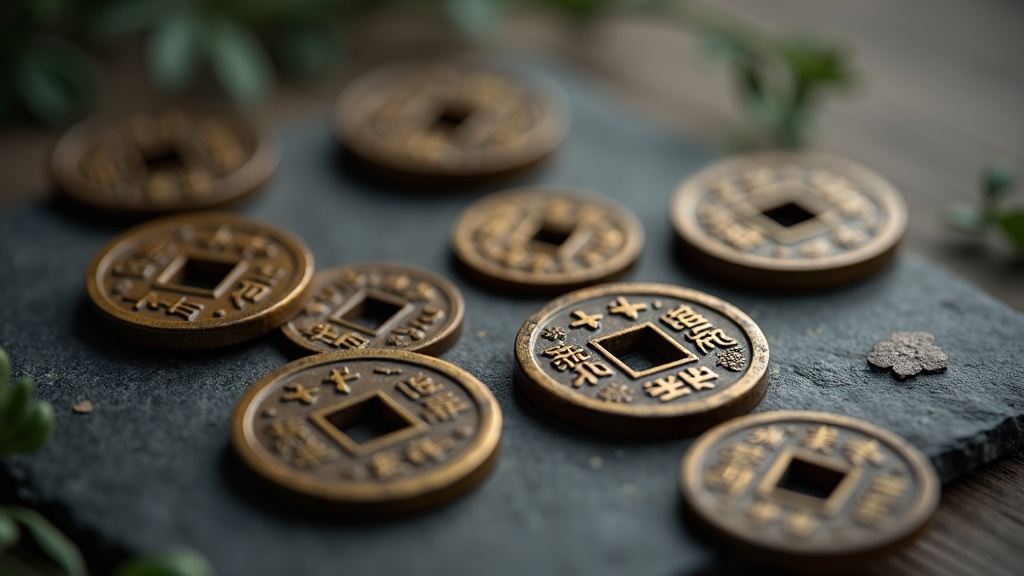
Chinese cash coins are the round, square-holed bronze or brass coins minted across China (and copied by several neighboring regions) for roughly two thousand years, from the late Zhou and Qin periods into the early 20th century. They were cast rather than struck, carried a face value tied to a state-controlled monetary system, and their basic round-coin-square-hole shape barely changed even as dynasties rose and fell. Understanding them means understanding a monetary tradition that outlasted almost every other coinage system in history.
What Makes a Coin a “Cash Coin”
The term “cash” comes from a Portuguese or Tamil word for coin, later applied by Western traders to the small bronze pieces circulating in China. Technically, a cash coin is a low-denomination coin cast in bronze, brass, iron, or occasionally other base metals, with a round outer edge and a square hole punched or cast through the center. The square hole wasn’t decorative. It let large numbers of coins be strung together on cord for counting and transport, and it also allowed workers to file the rough edges smooth after casting by threading many coins onto a square rod at once.
Unlike coins produced by striking a planchet between two dies, cash coins were made in molds, often in large trees of connected coins that were later broken apart. That production method left telltale casting seams, sprue marks, and softer overall detail compared to hammered or milled coinage from Europe or the ancient Mediterranean world. Readers coming from a background in Roman or Greek coinage, covered in our introduction to ancient Roman coins and our guide to collecting ancient Greek coins, will notice the manufacturing philosophy is quite different even though the goal, standardized state currency, is the same.
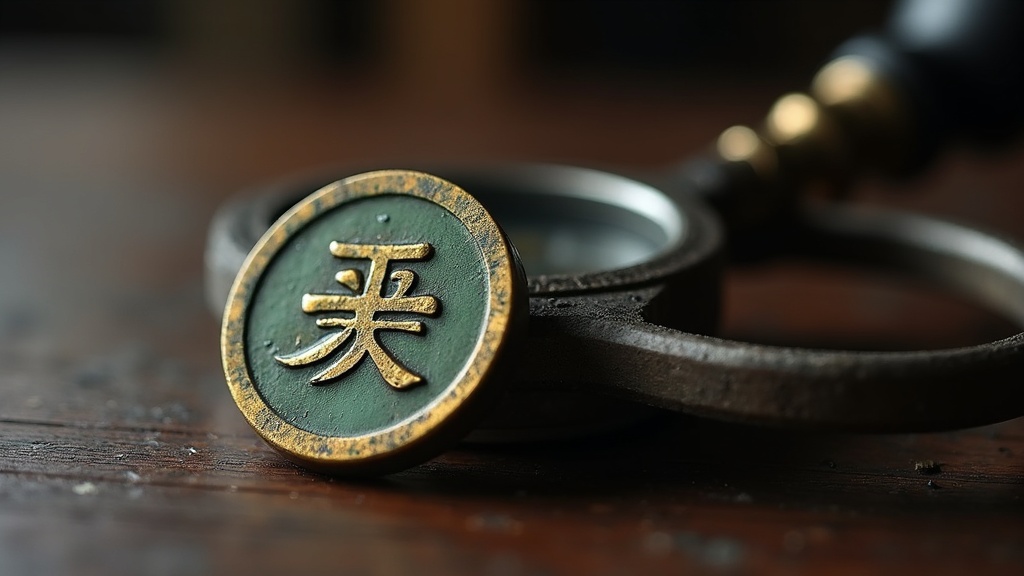
Origins and the Round Coin, Square Hole Design
Before the familiar round-square design settled in, early Chinese currency took other forms entirely, including cast bronze pieces shaped like small spades and knives, remnants of a barter economy transitioning toward standardized money. The round coin with a square center hole became dominant after China’s unification under the Qin dynasty in the late 3rd century BCE. Historical tradition connects this shift to the first emperor’s broader push to standardize weights, measures, and currency across a newly consolidated empire, though as with much ancient economic history, surviving records are incomplete and scholars continue to debate the finer details.
Cosmological explanations were also attached to the design over time, with the round shape said to represent heaven and the square hole representing earth. Whether or not that symbolism motivated the original design, it became a durable part of how the coins were understood culturally, and the shape itself proved so practical for stringing and counting that it persisted through dynasty after dynasty.
How the Design Evolved Across Dynasties
While the round-square format stayed constant, the inscriptions, calligraphy, metal composition, and issuing authority changed considerably. Most cash coins carry four characters read in a specific order, typically naming the reign period or era title of the emperor under whom the coin was cast, along with a word indicating it is currency. Collectors and historians use these inscriptions, along with calligraphic style, to identify roughly when and under which ruler a coin was produced, similar in spirit to how someone might learn to read the date and mint mark on a US coin to place it in context.
| Period | General characteristics |
|---|---|
| Qin and early Han | Establishment of round coin, square hole standard; simpler inscriptions |
| Tang through Song | Widespread standardized casting, era-name inscriptions, high volume production |
| Yuan and Ming | Some periods of reduced cash coin issuance in favor of paper currency |
| Qing dynasty | Continued cash coin production alongside emerging Western-style coinage influence |
By the late Qing dynasty, machine-struck coins influenced by Western minting technology began appearing alongside traditional cast cash, and cash coins were gradually phased out of everyday circulation in the early 20th century as China modernized its monetary system.
How Cash Coins Were Made and Circulated
Cash coins were typically cast in clay, sand, or stone molds, often producing multiple coins connected in a tree-like arrangement from a single pour. Workers then separated individual coins and filed down rough edges. Because production happened at numerous regional mints over centuries, quality, alloy composition, and precision varied enormously. Some coins are crisp and well-centered; others show blurred characters, casting flaws, or off-center holes. This variability is one reason condition and clarity matter so much when evaluating an individual piece, much as grading matters for more familiar coinage discussed in our overview of what coin grading actually means.
Cash coins were used daily for centuries, strung on cords in sets of a hundred or a thousand for larger transactions, which is part of why worn examples are common today. Because millions were cast over such a long span, and because so many circulated for so long in daily commerce, surviving examples range from common, heavily worn pieces to genuinely scarce issues tied to short-lived reigns or unusual mint variations.
What to Know Before Collecting Cash Coins
Anyone starting out with Chinese cash coins benefits from the same foundational habits useful across any area of numismatics. Learning basic terminology helps enormously here, and our beginner’s guide to coin collecting terminology is a reasonable starting point even though it’s framed around Western coinage, since concepts like obverse, reverse, and mint attribution still apply. Because cash coins are cast rather than struck, surface texture, casting flaws, and old cleaning attempts read differently than on struck coins, so it’s worth understanding how to tell if a coin has been cleaned before assuming a shiny surface means a coin is simply well preserved.
Reproductions and later imitation cash coins, some made for charms, temple offerings, or the tourist trade rather than deliberate fraud, are common enough that inscriptions and casting style alone shouldn’t be treated as definitive proof of age or origin. As with any older or foreign coinage, a second opinion from an experienced collector or an independent appraisal is a reasonable step before a significant purchase, and it’s worth remembering that no legitimate seller needs to pressure you into a same-day decision. For broader context on how cash coins fit alongside other historical currencies, our World & Ancient Coins hub and our Coin Basics & Identification section both cover related identification skills that transfer well to this niche.
Frequently asked questions about Chinese cash coins
What is a Chinese cash coin made of?
Most Chinese cash coins are cast bronze or brass alloys, though iron and other base metals were used during certain periods or regional shortages. The exact alloy varied by dynasty, mint, and era, which is one reason composition alone can’t reliably date a coin without further research.
Why do Chinese cash coins have a square hole in the middle?
The square hole allowed coins to be strung together on cord for counting and carrying large sums, and it let workers file rough cast edges smooth by threading many coins onto a square rod at once. Cosmological symbolism, heaven as round and earth as square, was also attached to the design over time.
How old are Chinese cash coins?
The round coin, square hole format dates back roughly two thousand years to the Qin and early Han periods, and cash coins remained in circulation in various forms until China’s monetary system modernized in the early 20th century, making them one of the longest-running coin designs in history.
How can I tell what dynasty a cash coin is from?
Most cash coins carry four cast characters naming a reign or era title, which can indicate the approximate period of issue when matched against reference material on Chinese numismatics. Calligraphic style and casting characteristics can offer additional clues, though confirming an attribution with reliable reference sources is worthwhile.
Are Chinese cash coins valuable?
Value depends on factors like rarity of the specific reign or mint, condition, casting quality, and current collector demand, the same variables that affect most older coinage. Rather than relying on a general estimate, a current appraisal from a qualified, experienced source is the most reliable way to understand what a specific coin might be worth.
Gold Coins Today publishes general information about coin collecting and precious metals, not financial, investment, tax or legal advice. We are writers and editors, not certified numismatists, appraisers, financial advisors or dealers. Coin and bullion values change constantly and depend on condition, authenticity and the current market — get a current appraisal or spot price from a qualified, reputable source before buying or selling, and consult a licensed financial advisor before treating precious metals as part of an investment strategy.