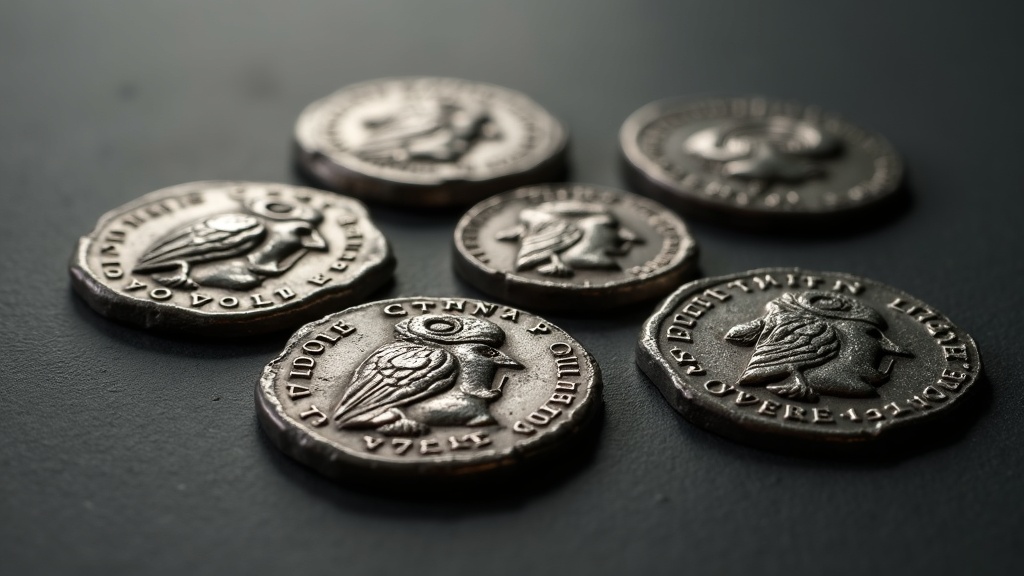
The best way to start collecting ancient Greek coins is to spend time learning the basics of the series before spending money: get comfortable with how these coins were made, what determines their condition and authenticity, and buy only from sellers who provide clear attribution and a return policy. Ancient coins are a deep and rewarding field, but they also carry more authentication risk than modern coinage, so a slow, informed start matters more here than almost anywhere else in the hobby.
Why ancient Greek coins appeal to collectors
Greek coinage spans roughly a thousand years and hundreds of city-states, kingdoms, and rulers, which means an enormous range of designs, metals, and price points. A single coin can show an owl, a mythological figure, a ruler’s portrait, or a civic symbol struck by hand nearly two and a half thousand years ago. Unlike most modern series, no two ancient coins are identical, since each was struck individually from hand-engraved dies. That variation is part of the appeal, but it also means the usual grading shortcuts collectors use for United States coinage don’t map cleanly onto this field. If you’re coming from collecting modern or classic American coins, it’s worth reviewing how coin grading actually works as a concept before assuming it applies the same way to a 2,300-year-old hand-struck coin.
Start with knowledge, not purchases
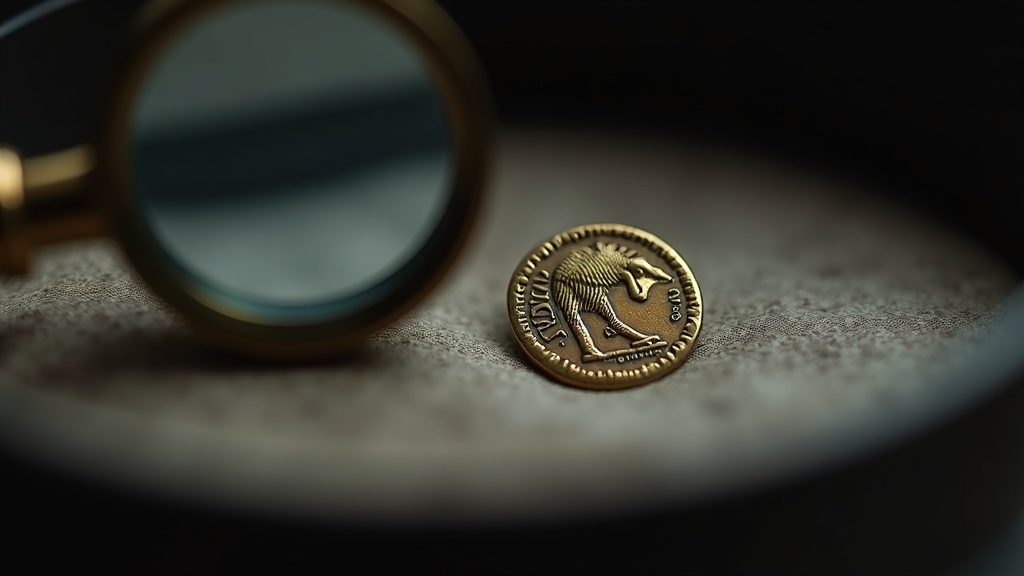
Before buying anything, it helps to build a working vocabulary: obverse and reverse, die axis, flan, patina, and the difference between a coin’s type (its design) and its issue (a specific mint and time period). The site’s beginner’s guide to coin collecting terminology covers many of these terms in a general way, and ancient specialists add their own layer on top, such as “mint state” being used more loosely than it is for modern coins, since ancients were struck by hand with imperfect dies and often uneven pressure. Reading reference books and museum catalogs, and browsing the archives of major auction houses without buying, is a low-risk way to train your eye before you commit any money.
Common metals and denominations
Greek coinage was struck primarily in silver, with gold and bronze also widely used depending on the city-state and era. Silver issues like the Athenian tetradrachm, recognizable by its owl and olive-branch design, are among the most commonly encountered types today because they were minted in large numbers and widely circulated in antiquity. Bronze coins are generally the most affordable entry point, since bronze was the everyday transactional metal, while gold issues tend to be scarcer and carry more specialized demand. As with any historical coinage, purity varied by mint and period rather than following a single fixed standard, so specific fineness is something to look up for the particular type you’re considering rather than assume.
Typical categories new collectors explore
- Civic issues from well-documented city-states, often more affordable and heavily studied
- Coins of Hellenistic kingdoms, including ruler portraits that give a direct, dated link to a historical figure
- Colonial and provincial issues struck by Greek cities in Italy, Sicily, and Asia Minor
- Later Greek Imperial coinage struck under Roman authority, which bridges naturally into the world covered in our introduction to ancient Roman coins
Authentication and condition: the two biggest risks
Ancient coins are harder to authenticate than most modern coinage because they weren’t struck with the mechanical precision of a modern mint, and because they’ve been actively collected, copied, and in some cases forged for centuries. Cast fakes, transfer dies, and coins with modern “improved” surfaces all circulate in the market. This is one area where a confident guess is worse than an honest “I don’t know” — if a coin’s attribution or authenticity is unclear, that’s a reason to ask questions or seek a second opinion, not a reason to assume the best case.
Surface condition matters just as much. Ancient coins are frequently cleaned, re-patinated, or “smoothed” to disguise wear or corrosion, and these interventions can significantly affect how a coin is viewed by specialists and how it’s later received if you ever sell it. The general principles in our guide on how to tell if a coin has been cleaned were written with US coins in mind, but the underlying logic — that unnatural shine, hairline scratches in one direction, or oddly flat luster are warning signs — applies to ancients as well, alongside issues specific to the field like tooling in the fields to sharpen a worn design.
Where to actually look for coins
New collectors typically encounter ancient Greek coins through a few channels: specialist ancient coin dealers, major auction houses with dedicated ancient coin departments, coin shows with ancient specialists present, and online marketplaces of varying reliability. Because this niche has real authentication stakes, it’s worth being more cautious with anonymous online listings than you might be with a modern US coin, where the design itself is a known constant. Reputable sellers in this space are typically comfortable providing detailed attribution (city, ruler, approximate date, reference catalog number), a clear return policy, and answering specific questions about a coin’s history and any restoration. If a seller pressures you to decide quickly, avoids specifics, or leans on urgency rather than documentation, that’s worth treating as a red flag regardless of how compelling the sales pitch sounds.
Building a first collection with intention
Many collectors start ancient Greek coins the same general way they’d approach any new area of the hobby: pick a theme rather than trying to cover everything at once. That might mean focusing on a single city-state, a specific denomination, a mythological subject like owls or horses, or a particular century. The general approach described in how to start a coin collection from scratch — set a focus, learn that focus deeply, and expand slowly — applies well here, and it also keeps the learning curve manageable, since ancient Greek numismatics is genuinely vast. It’s also worth reviewing the kinds of missteps described in common coin collecting mistakes beginners make, since buying too fast, chasing perfect condition on a hand-struck coin, or skipping provenance research are easy traps in any ancient series.
For a broader sense of how ancient Greek material fits alongside Roman, Byzantine, and other historical world coinage, the site’s World & Ancient Coins section is a useful starting hub as you explore related periods and regions.
Provenance and legal considerations
Because ancient coins can be subject to cultural property and import regulations in some countries, it’s worth understanding a coin’s documented ownership history (its provenance) and any relevant import paperwork, particularly for higher-value pieces or coins from regions with active cultural heritage protections. This is a legal and documentation question as much as a numismatic one, and if you’re ever uncertain about a specific coin’s legal status, that’s a question for a qualified professional rather than something to guess about.
Frequently asked questions about collecting ancient Greek coins
How do I know if an ancient Greek coin is real?
Authentication generally involves comparing die style, weight, metal composition, and surface characteristics against known genuine examples, something specialist dealers and third-party authentication services are trained to do. As a beginner, buying from sellers who offer clear attribution and return policies, and getting a second opinion on expensive pieces, is a reasonable precaution.
What’s the cheapest way to start collecting ancient Greek coins?
Common bronze issues from well-documented city-states are typically the most accessible entry point, since bronze was everyday circulating currency and survives in larger quantities than gold or high-grade silver. Starting with a modest, well-attributed bronze coin lets you learn handling and research skills before considering pricier silver or gold pieces.
Do ancient Greek coins get graded like US coins?
Some third-party grading services do encapsulate and grade ancient coins, but because each was hand-struck and unique, grading standards and expectations differ from modern mass-produced coinage. Many ancient coin specialists rely more heavily on detailed written descriptions, photographs, and provenance than on a single numeric grade.
Where can I learn to identify different ancient Greek coin types?
Standard reference catalogs, museum collection databases, and educational materials from numismatic organizations are commonly used starting points, alongside careful comparison of a coin’s inscriptions, symbols, and portrait style. Building this visual vocabulary gradually, before buying, is one of the most useful things a new collector can do.
Is it legal to buy and own ancient Greek coins?
In most cases owning ancient coins is legal, but import rules and cultural property regulations can apply depending on a coin’s origin and documented history, so provenance paperwork matters more here than with modern coinage. If you have specific legal concerns about a particular coin, consulting a qualified professional is the appropriate next step rather than assuming either way.
For general background on numismatics and coin authentication standards, resources from the American Numismatic Association and museum collections such as the British Museum can be useful starting points for further reading.
Gold Coins Today publishes general information about coin collecting and precious metals, not financial, investment, tax or legal advice. We are writers and editors, not certified numismatists, appraisers, financial advisors or dealers. Coin and bullion values change constantly and depend on condition, authenticity and the current market — get a current appraisal or spot price from a qualified, reputable source before buying or selling, and consult a licensed financial advisor before treating precious metals as part of an investment strategy.