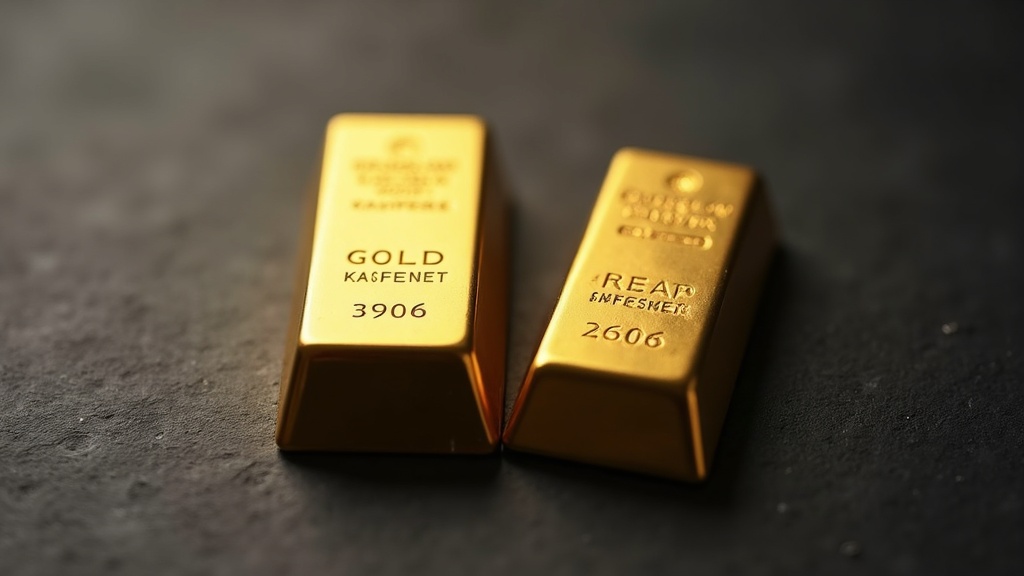
Fine gold refers to gold that is very close to 100% pure, typically .999 fineness or higher, with almost no other metals mixed in. Alloyed gold is gold that has been deliberately combined with other metals — like copper, silver, nickel, or zinc — to change its hardness, color, or durability. Most bullion coins and bars aim for fine gold, while jewelry and many historical coins use alloyed gold because pure gold is too soft for everyday handling.
What “fine” actually means
In numismatics and bullion, “fineness” describes the proportion of pure gold in a given object, usually expressed as a decimal (.999, .9999) or as parts per thousand. A bar or coin stamped .9999 fine is about 99.99% pure gold, with only a trace of other elements. This is sometimes called “four nines” gold, and it’s the standard many modern bullion producers target for coins and bars aimed at investors and collectors. You can read more about how these numbers are calculated and displayed in our breakdown of gold purity, karats, and fineness.
Fine gold in its near-pure state is soft — soft enough that a coin made entirely of it can pick up scratches and wear simply from being handled or stacked. That softness is a big part of why alloying exists at all.

What alloying does
Alloyed gold is a mixture: gold combined intentionally with one or more other metals. The purpose is almost always practical rather than deceptive. Common reasons include:
- Hardness and wear resistance — pure gold dents and scratches easily; adding copper or silver makes it more durable for coins, rings, and other items that get handled often.
- Color — copper pushes gold toward a warmer, rosier tone; silver or palladium can push it toward a paler, sometimes whitish shade. This is how “rose gold” and “white gold” are produced.
- Cost and structure — in some jewelry and older coinage, alloying metals also reduced material cost while maintaining a workable, strikeable metal.
Karat gold is the most familiar alloy system: 24K is (in principle) pure gold, while 18K is 18 parts gold to 6 parts other metal by weight (75% gold), and 14K is roughly 58.3% gold. These fractions are fixed ratios, not estimates, and they’re one of the clearest ways to see alloying in numbers rather than description.
Fine gold vs alloyed gold: a side-by-side view
| Characteristic | Fine gold (.999+) | Alloyed gold (e.g., 22K, 18K) |
|---|---|---|
| Typical gold content | ~99.9% or higher | Varies — commonly 75%–91.7% |
| Hardness | Soft, marks easily | Harder, more scratch-resistant |
| Color | Deep, consistent yellow | Can shift toward rose, pale yellow, or white depending on alloy |
| Common use | Bullion bars, many modern investment coins | Jewelry, some historical and circulating gold coins |
| Identification | Fineness stamp (.999, .9999) | Karat stamp (24K, 22K, 18K, 14K) or fineness equivalent |
Why some bullion coins aren’t pure either
It’s a common assumption that all gold coins are .999 fine, but several well-known bullion coins are intentionally alloyed. Coins like certain sovereign issues or coins struck to a traditional 22K standard include copper or silver specifically for durability, since these designs trace back to eras when coins circulated hand to hand and needed to survive wear. Other modern bullion programs, by contrast, are struck to .9999 fine and rely on modern minting techniques rather than alloying to achieve durability. Because standards differ by country, era, and mint, it’s worth learning the specifications of any particular coin rather than assuming a single purity applies across all gold coinage — our overview of how bullion coins are minted versus collector coins covers some of these production differences in more depth.
If you’re examining specific well-known coin programs, guides like our pieces on the American Gold Eagle’s history and specifications, the Krugerrand’s history and design, the Canadian Maple Leaf, and the British Sovereign lay out the actual fineness figures for each, since they aren’t identical.
Does alloying affect melt value?
Yes — melt value calculations are based on the actual weight of pure gold contained in an item, not its total weight. A coin or piece of jewelry that’s alloyed contains less actual gold per gram than something struck in fine gold, so any melt-value estimate has to account for the karat or fineness stamp, not just the item’s size or weight on its own. This is one of several factors that goes into what determines a coin’s melt value, alongside current market pricing, weight, and condition. Because spot prices move constantly, any specific value should come from a live, reputable pricing source rather than a fixed figure — a number that sounds right today can be stale within hours.
How to tell what you’re looking at
Identifying whether a piece is fine gold or an alloy usually starts with the hallmark or fineness stamp, which is often the clearest signal a mint or manufacturer provides. Our guide to hallmarks and assay marks explains how these stamps are applied and what they typically indicate. Beyond markings, color, weight, and basic non-destructive testing methods can offer clues, and our article on how to tell real gold from fake covers some accessible basic checks. None of these home methods replace a professional assay or appraisal, though — they’re a starting point for understanding what you have, not a substitute for expert verification, especially before a significant purchase or sale.
A note on pressure tactics
Purity questions come up a lot in high-pressure sales conversations — some sellers use vague or shifting claims about “pure gold” content to make an item sound more valuable than it is. A legitimate dealer will readily disclose fineness or karat, show supporting documentation, and won’t rush you into a decision. If you’re ever uncertain about a purity claim, getting an independent second opinion or a current appraisal before a large purchase is a reasonable and normal step, not an overreaction.
Where this shows up across collecting
Purity and alloying questions aren’t limited to modern bullion. Anyone browsing US coin history or world and ancient coins will encounter gold issues from eras when alloy ratios varied by mint, region, and period, sometimes for economic reasons and sometimes for durability. If you’re newer to the hobby, our coin basics and identification hub and our broader precious metals and bullion hub both cover related fundamentals worth reading alongside this topic.
Frequently asked questions about fine gold vs alloyed gold
Is 24K gold the same as fine gold?
Close, yes. 24K is the karat system’s label for gold intended to be pure, and it typically corresponds to .999 or .9999 fineness. In practice, “24K” and “fine gold” are used somewhat interchangeably, though exact fineness can still vary slightly by producer.
Why isn’t all gold jewelry made from fine gold?
Pure gold is soft and prone to bending, denting, and scratching under everyday wear. Alloying with metals like copper, silver, or palladium increases hardness and durability, which is why most rings, chains, and similar pieces use karat gold rather than 24K.
Does alloyed gold mean lower quality?
Not necessarily — it means a different composition suited to a different purpose. Alloyed gold is typically more durable for daily wear, while fine gold is often preferred for bullion because buyers want to know the pure gold content precisely.
How can I tell if a coin is fine gold or alloyed?
Check for a fineness or karat stamp, which most mints and manufacturers include. Weight, color, and basic testing can offer additional clues, but a professional assay or appraisal is the most reliable way to confirm composition with certainty.
Does alloy content change a coin’s melt value?
Yes. Melt value is based on the actual amount of pure gold present, so an alloyed coin contains less gold per gram than a fine-gold coin of the same weight. Any melt estimate should account for the stamped fineness alongside current spot pricing from a reputable source.
Gold Coins Today publishes general information about coin collecting and precious metals, not financial, investment, tax or legal advice. We are writers and editors, not certified numismatists, appraisers, financial advisors or dealers. Coin and bullion values change constantly and depend on condition, authenticity and the current market — get a current appraisal or spot price from a qualified, reputable source before buying or selling, and consult a licensed financial advisor before treating precious metals as part of an investment strategy.