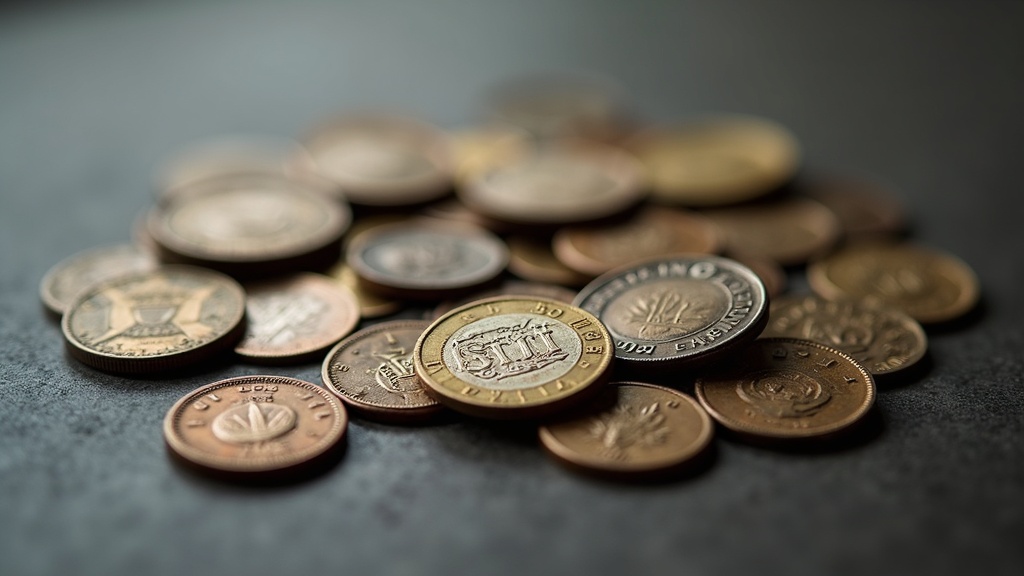
Coins reflect the history of the times they were minted because governments design them deliberately, choosing rulers’ portraits, symbols, mottos, weights and metals to communicate authority, mark events, or respond to economic pressure. A coin’s imagery announces who was in power and what they wanted remembered; its metal content and wear reveal what the economy could afford; and its mint marks and production changes trace wars, trade routes, and shifting borders. Read carefully, ordinary pocket change becomes a compact historical record.
Portraits and Symbols as Political Statements
Rulers have used coinage as a communication tool for thousands of years. Placing a face or a seated allegorical figure on a coin was one of the few ways a government could reliably reach every person who touched money, literate or not. Roman emperors used coin portraits to announce succession and military victories almost as fast as news could travel by road. Centuries later, monarchs across Europe did the same, and national symbols like eagles, shields, and liberty figures replaced individual rulers as republics emerged. Anyone starting to explore this pattern will find that browsing the world and ancient coins archive makes the political messaging on early coinage much easier to spot, since design choices repeat across empires and eras once you know what to look for.
In the United States, the shift from early allegorical “Liberty” designs to coins bearing actual presidents’ portraits happened gradually and was debated at the time, since depicting a living or recently deceased leader felt closer to monarchy than early Americans were comfortable with. Series like the Lincoln wheat cent and the Standing Liberty quarter each capture a specific moment in that evolving national identity, from Civil War memory to early-20th-century ideas about strength and protection.

Metal Content Tracks Economic Reality
Long before paper records were common, the metal in a coin told people what a government believed its money was worth backing. When treasuries were strained by war, famine, or overspending, rulers frequently reduced the precious metal content of coinage while keeping its face value the same, a practice historians call debasement. Roman silver coinage grew progressively thinner in silver content during periods of military strain, and similar patterns appear in medieval European mints. In the United States, the move away from 90% silver in circulating dimes, quarters, and half dollars during the 1960s reflected rising silver prices and the practical difficulty of keeping metal value below face value. Coins from that transition are often described using the term constitutional silver, a phrase collectors use for pre-1965 U.S. coinage minted under the historical silver standard.
This is also where purity terminology becomes useful rather than decorative. Understanding the difference between fine gold and alloyed gold, or how karat and fineness figures are expressed, helps explain why a coin from one era might contain noticeably more or less precious metal than a coin of a similar size from another period. None of this tells you what a specific coin is worth today — condition, rarity, and current market demand all factor into that, and a current appraisal or live spot-price check from a reputable source is the only reliable way to get a real number.
Wartime and Emergency Coinage
Some of the clearest historical fingerprints on coins come from moments of crisis. When conventional metals were needed for weapons and equipment, mints substituted unusual materials or issued temporary tokens to keep small transactions functioning. Steel cents produced during a metal shortage in World War II are a well-known American example, and many European and colonial territories issued their own improvised emergency money during both world wars when normal supply chains broke down. The history of WWI and WWII emergency money and tokens shows just how directly a coin’s very existence can be tied to a specific historical emergency, down to the shortage that forced the substitution.
Trade, Empire, and Coins That Crossed Borders
Coins also record the reach of trade networks and empires. The Spanish silver piece of eight circulated across multiple continents for centuries and influenced currency systems far beyond Spain’s own borders, a story covered in more detail in the piece on Spanish colonial pieces of eight. Chinese cash coins, with their distinctive center holes for stringing, reflect a monetary tradition that stayed remarkably consistent across dynasties, described further in the overview of Chinese cash coin history. British sovereigns, meanwhile, circulated throughout a colonial empire and are still discussed today in terms of their historical role, a topic explored in the piece on British sovereign gold coins. Coins like these functioned almost like passports for the political and commercial systems that issued them.
Mint Marks, Errors, and Everyday Administrative History
Even the small letters and numbers on a coin carry historical information. Mint marks indicate which facility produced a coin, and tracing how mint operations expanded or closed tells its own story about a country’s growth, resource logistics, and administrative changes. The history of the US Mint covers how the agency’s footprint shifted over time as demand for coinage grew and new facilities were opened to keep pace. Reading a date and mint mark correctly is often the first step in placing a coin within that broader institutional timeline, and it’s a skill covered in the coin basics and identification hub for readers just starting out.
Why This Context Matters for Collectors
None of this historical context is only trivia. Understanding why a coin was minted the way it was — what shortage, war, political shift, or design debate shaped it — helps collectors evaluate what they’re actually looking at, separate from any conversation about price. It also builds a healthy skepticism toward sales pitches that lean on dramatic historical narratives (“the empire that collapsed,” “the currency crisis coming again”) to create urgency. A coin’s history is genuinely interesting on its own terms, and legitimate dealers, clubs, and educational organizations present it that way rather than as a hook for pressure sales. Readers interested in the community side of this hobby, including organized research and preservation efforts, may want to look at how coin clubs and numismatic societies operate, since much of what we know about historical minting practices comes from exactly that kind of collector-driven research.
Frequently asked questions about how coins reflect history
Why do old coins have kings or presidents on them?
Governments placed rulers’ portraits on coins to assert authority and make political messages travel widely, since coinage reached people who might never see an official proclamation. The practice evolved over centuries into today’s mix of historical figures, national symbols, and commemorative designs.
What does it mean when a coin was “debased”?
Debasement means a government reduced the amount of precious metal in a coin while keeping its face value the same, usually to stretch limited resources during war or financial strain. It’s a pattern documented across many ancient and medieval coinage systems, not just one country or era.
Why did the US stop using silver in regular coins?
The United States moved away from 90% silver in circulating dimes, quarters, and half dollars during the mid-1960s as rising silver prices made the metal in the coins worth more than keeping them in everyday circulation was practical. Coins from before that change are commonly called constitutional silver.
How can I tell what era or historical event a coin is connected to?
Look at the date, mint mark, portrait or symbol, and metal composition, then compare them against known historical timelines for that country’s coinage. Reference guides on specific series and general coin identification basics can help narrow down the context.
Do historical coins have more value than modern ones?
Not automatically — age alone doesn’t determine value. Condition, rarity, authenticity, and current market demand all play a role, so a specific coin’s value should come from a current appraisal or live spot-price check rather than an assumption based on how old it is.
Gold Coins Today publishes general information about coin collecting and precious metals, not financial, investment, tax or legal advice. We are writers and editors, not certified numismatists, appraisers, financial advisors or dealers. Coin and bullion values change constantly and depend on condition, authenticity and the current market — get a current appraisal or spot price from a qualified, reputable source before buying or selling, and consult a licensed financial advisor before treating precious metals as part of an investment strategy.