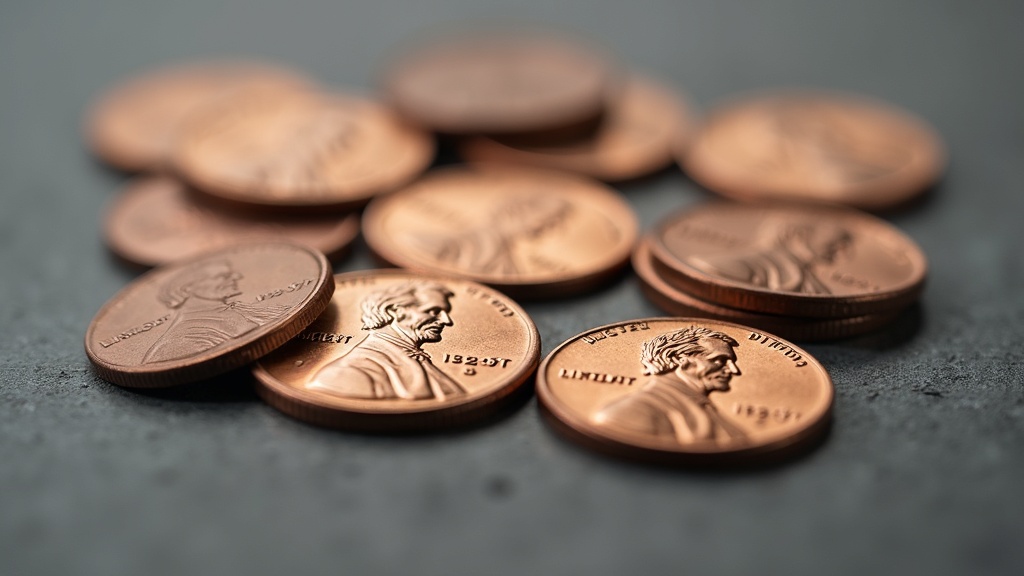
A Lincoln Wheat Penny is a one-cent coin minted by the United States from 1909 to 1958, identifiable by Abraham Lincoln’s portrait on the front and two curved wheat stalks framing the reverse. They were replaced in 1959 by the Lincoln Memorial design. What makes a wheat penny interesting to collectors is a mix of date, mint mark, condition, and occasionally a minting error — no two are automatically valuable just for being old.
These coins are often the first thing a new collector finds in a jar of old change, and that’s part of their lasting appeal. Understanding how they were made and what separates a common date from a scarcer one is a useful entry point into coin basics and identification more broadly.
A brief history of the design
The Lincoln cent was introduced in 1909 to mark the 100th anniversary of Abraham Lincoln’s birth, replacing the Indian Head cent. It was the first regular-issue US coin to feature a real historical figure rather than an allegorical figure like Liberty. The obverse, designed by Victor David Brenner, has remained largely unchanged since. The reverse wheat-ear design was used from 1909 until 1958, giving the series its “Wheat Penny” nickname before it was swapped for the Lincoln Memorial reverse in 1959.
Over the run of the series, the Mint made these coins at three facilities — Philadelphia (no mint mark in this era), Denver (“D”), and San Francisco (“S”). Learning to spot that small letter, usually below the date, is one of the most basic and useful skills for sorting wheat pennies, and it’s covered in more depth in a guide on how to read the date and mint mark on a US coin.
Composition changes worth knowing
For most of the series, the cent was struck in a bronze alloy of about 95% copper with small amounts of tin and zinc. That changed briefly in 1943, when wartime copper shortages led the Mint to strike cents in zinc-coated steel instead. These steel cents have a distinctive silvery-gray look and are magnetic, unlike the bronze cents used in every other year of the series. In 1944 and 1945, the Mint used salvaged shell-casing brass before returning to a standard bronze-style alloy through the rest of the series.
Key dates and why some pennies stand out
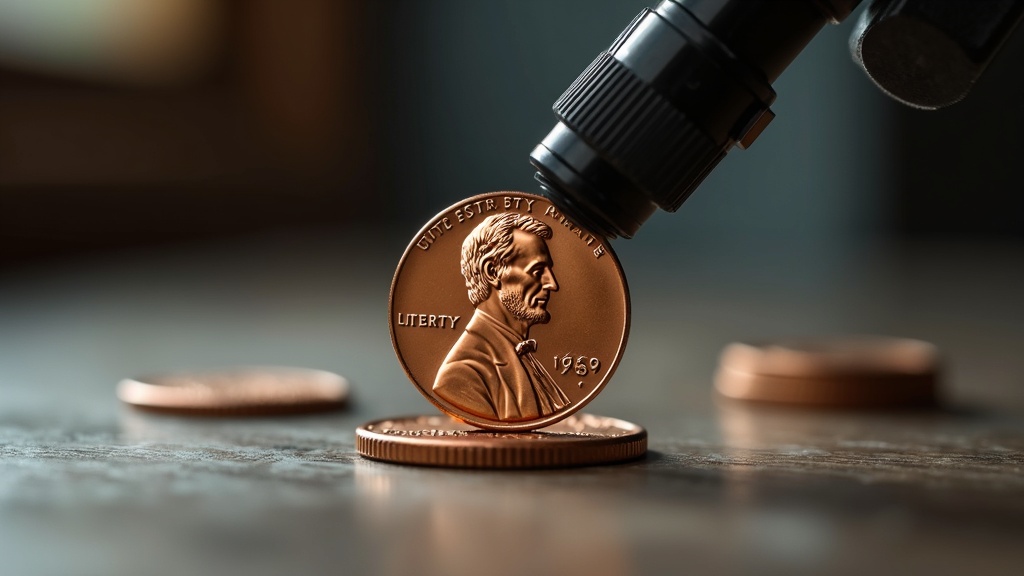
Not every wheat penny is scarce — billions were minted over the series’ 50-year run, and most dates are common in worn condition. A smaller number of date-and-mint combinations are harder to find because of lower original mintages, coins that were later melted, or production quirks. Some names that come up often in collector conversation include the 1909-S with the designer’s initials (VDB) on the reverse, the 1914-D, and the 1922 cent missing its mint mark due to a worn die. The 1943 bronze cent — a small number apparently struck on leftover bronze planchets instead of steel during the changeover year — is another example collectors discuss, though genuine examples are extremely uncommon and frequently imitated by altered coins.
Understanding why certain dates carry more interest than others is really a lesson in scarcity and demand rather than age alone. For a deeper look at how collectors define and evaluate these standout dates, see our explainer on what a key date coin is and why it matters.
Doubled dies and other errors
Beyond key dates, some wheat pennies are notable because of a minting error rather than their date or mintage figures. The best-known example is the 1955 doubled die cent, where a misalignment during the hubbing process left the date and lettering visibly doubled to the naked eye. Other errors across the series include off-center strikes, repunched mint marks, and die cracks. Because errors can be confused with damage or environmental wear, it helps to compare a suspected error coin against clear reference images and, ideally, get a second opinion before assuming a coin is something unusual. Our guide to coin error types, including doubled dies, walks through how these differ from ordinary wear or post-mint damage.
Condition, cleaning, and why it matters
Condition has an outsized effect on how a wheat penny is evaluated by collectors. A coin’s grade reflects how much detail remains, how sharp the strike was, and whether the surfaces are original. A worn 1940s cent found in circulation and a carefully preserved example of the same date can look like entirely different coins under a loupe. If you’re new to grading terminology, it’s worth reading a plain explanation of what coin grading actually means before assuming a coin is in better or worse shape than it is.
One common and avoidable mistake is cleaning an old coin to make it “shine.” Cleaning almost always leaves microscopic scratches or alters the coin’s original surface, and experienced collectors can usually spot it, which typically makes a cleaned coin less desirable than an untouched one in the same worn state. If you’re unsure whether a coin in your possession has been cleaned, there are visual cues — like unnaturally bright, hairline-scratched surfaces — described in more detail in a guide on how to tell if a coin has been cleaned.
Storing and organizing a wheat penny collection
Because wheat pennies are common enough to collect by date and mint mark, many people build a set covering the full 1909–1958 run. How you house that set affects both its condition and how easy it is to study. Cardboard folders with punch-out holes are inexpensive and popular for beginners, while rigid holders and albums with mylar flips offer more protection from handling and air exposure. Each option has tradeoffs in cost, protection, and visibility, which are laid out in a comparison of coin albums, folders, and individual holders.
If you’re just getting into the hobby through wheat pennies, it also helps to understand broader habits that trip up new collectors, such as handling coins by the edges, storing them in PVC-containing plastics that can degrade surfaces over time, or assuming every old coin is automatically rare.
A note on value and sales pressure
Wheat pennies are frequently used in marketing for “rare coin” offers and precious-metals sales pitches, partly because the series is genuinely old and partly because a handful of dates really are scarce. What determines whether a specific wheat penny has meaningful collector interest is a combination of its date and mint mark, its grade, whether it’s an authentic error, and current market demand — not its age alone. Because these coins are common enough for pricing shortcuts to be misleading, it’s reasonable to compare any claim against a current listing or appraisal from a reputable, independent source rather than take a seller’s word for it. A legitimate dealer or appraiser won’t need to pressure you into a quick decision, and a second opinion before any significant purchase or sale is a normal, sensible step — not an insult to the seller.
Frequently asked questions about Lincoln Wheat Pennies
What years are considered Lincoln Wheat Pennies?
Lincoln Wheat Pennies were minted from 1909 through 1958, named for the two wheat stalks on the reverse. In 1959, the design changed to the Lincoln Memorial reverse, which is why 1958 marks the end of the wheat-back series.
How can I tell if my wheat penny is valuable?
Check the date, mint mark, and overall condition first. Certain dates are known to be scarcer, and well-preserved, unworn examples generally draw more collector interest than heavily worn ones, but a current appraisal from a knowledgeable, independent source is the only reliable way to know for sure.
Is a 1943 steel penny rare?
The 1943 steel cent itself was produced in large numbers and is common in worn condition, since steel replaced copper that year for wartime reasons. What’s genuinely scarce is the 1943 bronze cent, an apparent error struck on leftover bronze planchets, and altered fakes of it are common.
Should I clean my old wheat pennies?
Generally, no. Cleaning tends to leave marks or alter the coin’s natural surface in ways collectors can detect, which usually makes a coin less desirable than the same coin left untouched, even if it looks duller before cleaning.
What’s the difference between a key date and a common wheat penny?
A key date refers to a year and mint mark combination that’s harder to find due to lower original mintage or other factors, while common dates were produced in much larger numbers and turn up regularly in old change or collections.
Gold Coins Today publishes general information about coin collecting and precious metals, not financial, investment, tax or legal advice. We are writers and editors, not certified numismatists, appraisers, financial advisors or dealers. Coin and bullion values change constantly and depend on condition, authenticity and the current market — get a current appraisal or spot price from a qualified, reputable source before buying or selling, and consult a licensed financial advisor before treating precious metals as part of an investment strategy.