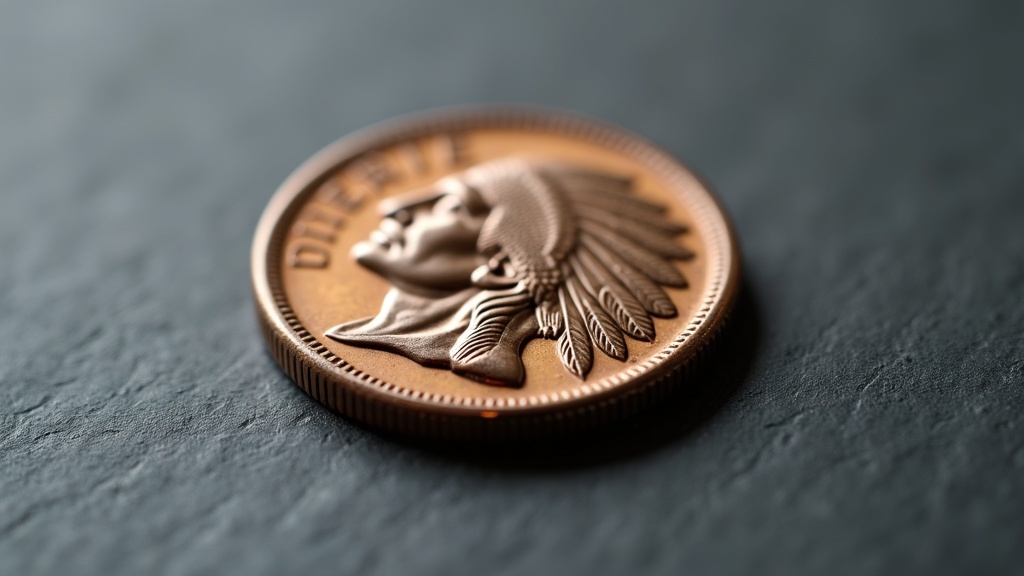
The Indian Head Cent is a one-cent coin struck by the United States Mint from 1859 to 1909, featuring a portrait of Lady Liberty wearing a Native American-style feather headdress on the obverse and a wreath (later with a shield) on the reverse. It replaced the earlier Flying Eagle cent and was itself replaced by the Lincoln cent in 1909. Collectors are drawn to the series for its long run, its changing metal composition, and the wide range of conditions and dates still findable today.
What the Indian Head Cent is and why it matters
Designed by James B. Longacre, the Indian Head Cent was one of the first widely circulated US coins to move away from a European-style allegorical Liberty toward an image evoking American identity, even though the figure is a stylized Liberty rather than a specific Native American individual. It circulated for half a century, spanning the Civil War era through the early twentieth century, which means surviving examples reflect a huge range of handling, storage, and wear. For anyone building a broader sense of nineteenth-century American coinage, this series sits alongside other well-known types covered in the site’s US Coins & History archive, and it pairs naturally with its successor, which is explored in the guide to Lincoln Wheat Pennies.
Design and composition changes over time
The series is generally split into two composition periods. From 1859 to mid-1864, cents were struck in a copper-nickel alloy that gives many surviving coins a pale, almost silvery-tan look. Partway through 1864, the Mint switched to a bronze composition (a copper alloy with small amounts of tin and zinc), which is thinner and takes on the warmer reddish-brown tone collectors associate with worn copper coins. This composition change is one of the reasons two coins from the same decade can look and feel noticeably different in hand, and it’s a useful detail to understand before assuming a coin is unusually worn or mistreated.
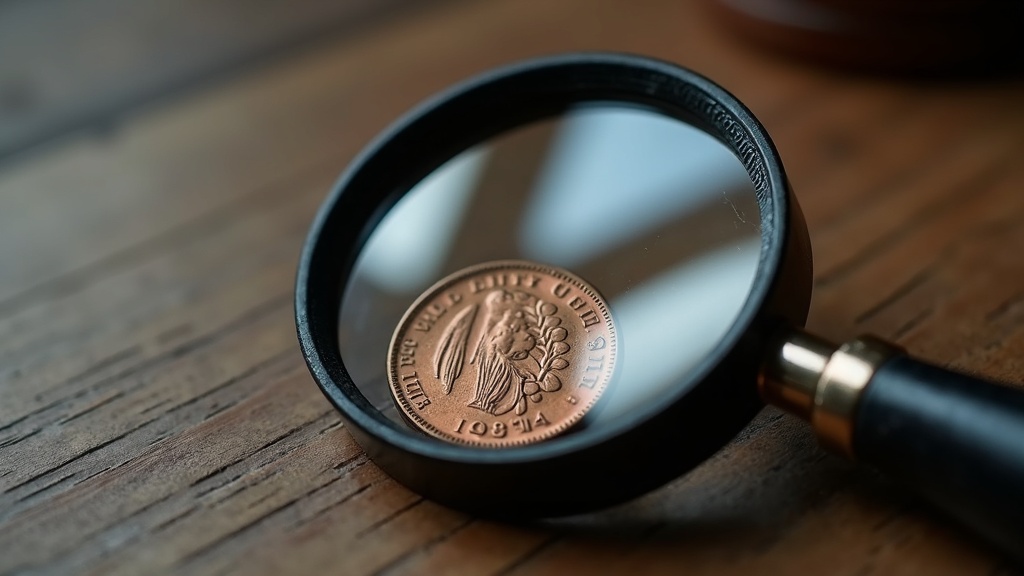
The obverse design stayed fairly consistent throughout the run: Liberty facing left, wearing a headdress with a band reading LIBERTY. The reverse changed from a simple wreath in the early years to a wreath with a small shield added at the top starting in 1860, a detail worth checking closely with a loupe when trying to place a coin’s approximate era before even looking at the date.
Reading dates, mint marks, and condition
Most Indian Head Cents were struck at the Philadelphia Mint and carry no mint mark at all, but a smaller portion were produced at the San Francisco Mint and carry a small “S” mint mark below the wreath on the reverse. Because the coin is small and the mint mark is tiny, a magnifier is genuinely helpful, and the general approach described in the site’s guide to reading the date and mint mark on a US coin applies directly here. If you’re newer to coin collecting altogether, it’s worth starting with the broader Coin Basics & Identification hub, which covers the vocabulary and habits that make identifying any older coin easier.
Condition on Indian Head Cents is judged the same way it is on other pre-1965 US coins: how much of the original design detail remains, whether the surfaces show scratches or corrosion, and whether the coin has been cleaned or otherwise altered. Because bronze cents can develop spotting, verdigris, or a dull, artificially bright look if someone tried to polish them at home, it’s worth learning to recognize a cleaned coin before assuming a bright example is simply well preserved; the article on how to tell if a coin has been cleaned walks through the visual cues. Understanding grading terminology also helps here, and the explainer on what coin grading actually means is a good starting point before comparing terms like MS, AU, or XF, which are broken down separately in the guide to grade abbreviations.
Key dates and scarcer issues
As with most long-running series, certain years and mint combinations are scarcer than others because of lower original mintages, heavier circulation loss over time, or both. Rather than naming specific figures here, it’s worth understanding the general concept: a “key date” is simply a date or mint mark within a series that is disproportionately harder to find in any given condition, which tends to make it more sought after by collectors trying to complete a full date run. The site’s explainer on what a key date coin is and why it matters covers this idea in more depth and applies directly to how collectors approach the Indian Head Cent series.
Because demand and scarcity both factor into how a coin is priced by dealers and auction houses, and because those figures shift with the broader market, this article won’t state specific dollar values for any date or grade. If you’re trying to understand what a particular coin might be worth, a current appraisal from a qualified, independent source, or a live reference from a reputable grading service, will always be more accurate than any number printed in an article.
Varieties, errors, and third-party grading
Like many nineteenth-century coins struck with older minting technology, Indian Head Cents occasionally show doubling, repunched details, or other minor die varieties that collectors track separately from the main date list. If you come across a coin that looks slightly “off” compared to a typical example, it may be worth comparing it against known variety types before assuming it’s damage; the overview of coin error types and the companion piece on what coin varieties are both explain how these differences are documented and why they can matter to specialists.
For coins in better condition or with unusual characteristics, some collectors choose to send them to an independent grading service for an official grade and authentication in a sealed holder. This isn’t necessary for every coin, but it’s useful to understand what that process actually does and doesn’t do before paying for it; the article on what third-party grading services actually do lays out the basics, and the related piece on how coin population reports work explains how scarcity data gets tracked once coins are graded.
Storing and handling an Indian Head Cent
Bronze coins are sensitive to moisture, skin oils, and harsh cleaning, all of which can accelerate corrosion or dull a coin’s original surface permanently. Handling by the edges, avoiding any home cleaning attempts, and storing coins in inert holders rather than old paper envelopes or PVC-containing flips are simple habits that preserve a coin’s condition rather than degrade it. The comparison of coin albums, folders, and holders is a practical starting point if you’re deciding how to store a small Indian Head Cent collection long term, and the broader guide on how to start a coin collection from scratch covers habits that apply well beyond this one series.
If you’re ever offered an Indian Head Cent, or any older coin, under high pressure — for example as part of an urgent “buy now” pitch tied to fear about the economy or currency — it’s reasonable to slow down and get an independent opinion first. Legitimate dealers and appraisers don’t typically rely on urgency or scare tactics, and a second look from an unaffiliated source costs little compared to the risk of a rushed decision.
Frequently asked questions about the Indian Head Cent
What years were Indian Head Cents made?
The Indian Head Cent was struck from 1859 through 1909, when it was replaced by the Lincoln cent. Within that run, the coin’s metal composition changed partway through 1864, from a copper-nickel alloy to a bronze alloy that continued for the rest of the series.
How can I tell if my Indian Head Cent is copper-nickel or bronze?
Copper-nickel cents (roughly 1859 to mid-1864) tend to look paler and more silvery-tan, while bronze cents are thinner and develop the warmer reddish-brown tone typical of worn copper. The date alone narrows it down, since the switch happened partway through 1864.
Where is the mint mark on an Indian Head Cent?
When present, the mint mark appears as a small “S” below the wreath on the reverse, indicating a San Francisco Mint strike. Coins without any mint mark were struck at the Philadelphia Mint, which produced the large majority of the series.
Is my Indian Head Cent rare or valuable?
That depends on the specific date, mint mark, and condition, along with current collector demand, none of which can be determined from a general description alone. A qualified appraiser or a reputable grading service can examine the actual coin and give you an accurate, current sense of its status.
Should I clean an old Indian Head Cent before selling it?
Generally, no. Cleaning, polishing, or using harsh chemicals on an old copper or bronze coin usually removes original surface detail and can lower how collectors and appraisers view it, even if it looks brighter afterward. It’s safer to leave the coin as found and ask for guidance before doing anything to its surface.
Gold Coins Today publishes general information about coin collecting and precious metals, not financial, investment, tax or legal advice. We are writers and editors, not certified numismatists, appraisers, financial advisors or dealers. Coin and bullion values change constantly and depend on condition, authenticity and the current market — get a current appraisal or spot price from a qualified, reputable source before buying or selling, and consult a licensed financial advisor before treating precious metals as part of an investment strategy.