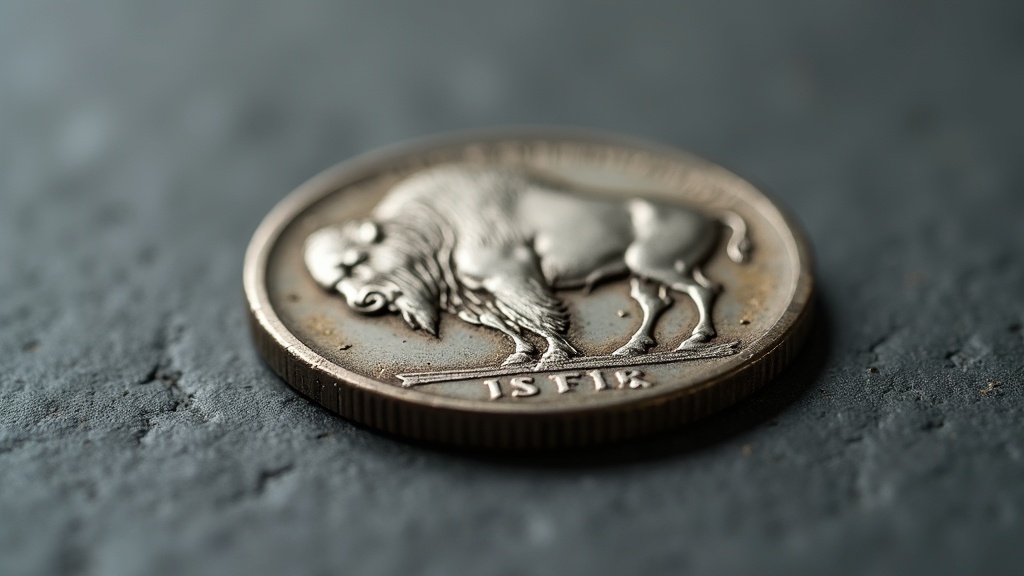
The Buffalo Nickel was struck by the United States Mint from 1913 to 1938, replacing the Liberty Head design with a distinctly American image: a Native American profile on one side and an American bison on the other. It was created as part of a broader early-20th-century push to make US coinage more artistic, and it remains one of the most recognizable coin designs the country has ever produced. Its history includes a design change made mid-production, a persistent date-wear problem, and a legacy that still shapes how collectors think about condition and rarity today.
Origins of the design
By the early 1900s, President Theodore Roosevelt had grown openly critical of the artistic quality of American coinage, famously calling much of it “atrociously hideous.” That push for better design had already produced the Saint-Gaudens double eagle in gold, and it eventually reached the humble five-cent piece. The Mint commissioned sculptor James Earle Fraser to design a new nickel, and Fraser drew on themes of the American West rather than the classical goddess imagery that had dominated US coinage for decades.
Fraser’s obverse depicts a composite portrait meant to represent Native American peoples generally, reportedly drawing on more than one individual as a model, though the exact identities and the extent of that claim have been debated by historians for years. The reverse features an American bison, an animal that by the early 1900s had been pushed to the edge of extinction through overhunting and habitat loss, making the design feel both patriotic and quietly elegiac. The coin entered circulation in 1913 and quickly became known by its popular nickname, the Buffalo Nickel, even though its official name is the Indian Head nickel.
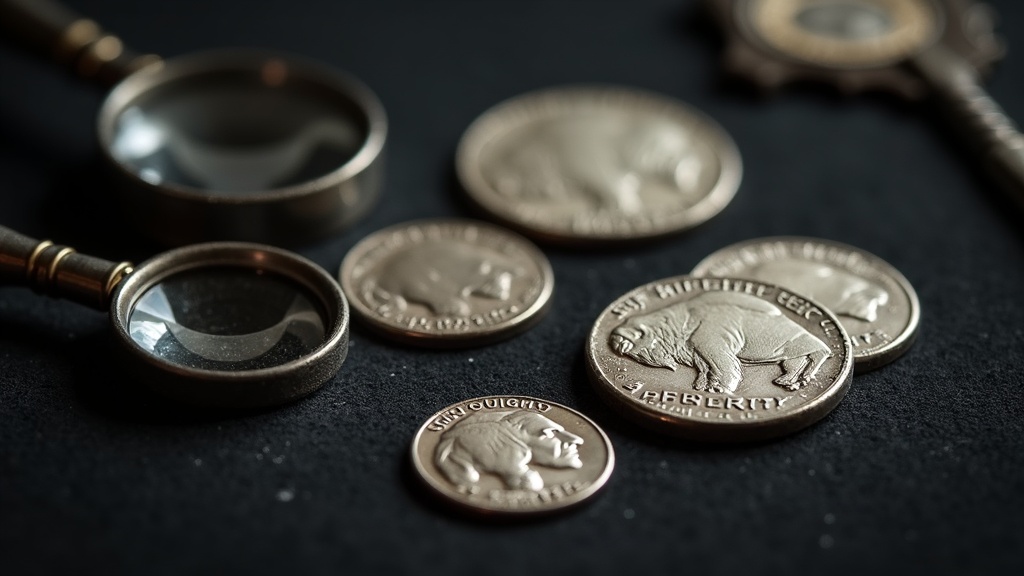
Two design types in a single year
Collectors often notice that 1913 Buffalo Nickels come in two distinct varieties, and this wasn’t a minting accident. The original design placed the bison standing on a raised mound, but Mint officials quickly grew concerned that this high point on the reverse would wear down too fast in circulation, along with the denomination lettering positioned there. Partway through 1913, the design was revised so the bison stood on a flat, plain line instead, which was more durable in production. This means 1913 nickels exist as both “Type 1” (mound) and “Type 2” (plain line), and the distinction is one of the more approachable examples of a coin variety that a beginning collector can learn to spot with the naked eye, a topic covered in more general terms in our overview of what coin varieties are and why they matter.
The date-wear problem
One of the most persistent practical issues with the Buffalo Nickel is how the date was positioned on the obverse. It sat on a raised area of the coin’s design, which meant it was among the first details to wear away once a coin began circulating heavily. It is extremely common to find worn Buffalo Nickels with dates that are partially or completely illegible, sometimes reduced to a faint smudge. This became such a widespread issue that collectors and dealers developed informal habits around it, and later coin designs generally avoided placing dates in such exposed, high-relief locations. For anyone starting to examine older coins, understanding how mint marks and dates are positioned is a useful skill, and our guide on how to read the date and mint mark on a US coin walks through where to look and what those small letters mean.
Mint marks and production span
Buffalo Nickels were struck at the Philadelphia, Denver, and San Francisco mints across the coin’s run from 1913 through 1938. Mint marks appear on the reverse below the denomination, and their presence or absence, combined with the date, is part of what determines how common or scarce a particular combination is. As with most series from this era, certain year-and-mint combinations were produced in far smaller quantities than others, and those lower-mintage issues have become the focus of long-standing collector interest. Rather than naming specific figures here, it’s worth understanding the general concept of a key date coin and why it matters, since that idea explains why some Buffalo Nickels draw far more attention than others despite looking similar at a glance.
Design retirement and the Jefferson replacement
US coin designs were, at the time, generally expected to remain in use for at least 25 years before a design change could be considered without special legislation, and the Buffalo Nickel reached that threshold in the late 1930s. In 1938, the Mint held a public design competition, and the winning entry replaced the bison and Native American profile with a portrait of Thomas Jefferson paired with an image of Monticello. The Jefferson Nickel began production that same year, closing out the Buffalo Nickel’s run after roughly a quarter-century in American pocket change.
Why the design still resonates
Part of the Buffalo Nickel’s lasting appeal comes from how different it looked compared to the coinage that came before and after it. Where many US coins leaned on classical allegorical figures, Fraser’s design tried to depict something rooted in the American landscape and its peoples, even if the execution reflects the artistic conventions and limitations of its era. The coin has appeared in later commemorative contexts, including gold bullion coins that borrowed its imagery decades later, which speaks to how enduring the visual composition has proven to be.
For collectors today, the series offers an accessible way to explore several broader numismatic ideas at once: design varieties, mint marks, wear patterns, and the concept of key dates all show up clearly within a single, relatively short-lived series. That makes it a common recommendation for people who are just getting comfortable with coin collecting terminology and want a tangible series to practice on, particularly since well-worn examples are usually easier to obtain than in many other US series.
What determines a Buffalo Nickel’s value
As with any historic coin, no single figure describes what a Buffalo Nickel is worth in general. Value depends on a combination of factors: the specific date and mint mark, whether it’s a scarcer variety like a Type 1 versus Type 2, the coin’s physical condition or grade, and current market demand among collectors. Because so many surviving examples have worn, partial, or missing dates, even establishing exactly which coin you’re holding can take some care, and our explainer on how to tell if a coin has been cleaned is worth reading before assuming a shiny example is automatically more desirable, since cleaning can actually reduce a coin’s appeal to collectors.
If you’re trying to understand what a particular coin might be worth, the most reliable path is a current appraisal or a look at live pricing from a reputable source rather than relying on an old number found online, since prices for both the numismatic and metal components of a coin shift with the market. If you’re ever approached by a seller or an IRA promoter using urgent, high-pressure language about a coin’s value or a metal market’s direction, that pressure itself is worth treating as a red flag; reputable dealers are generally comfortable with a buyer taking time and seeking a second, independent opinion before a significant purchase.
Learning to evaluate a Buffalo Nickel
Because condition plays such a large role in how a Buffalo Nickel is assessed, it helps to have a basic grasp of how coins are graded before drawing any conclusions about a specific piece. Our broader explainer on what coin grading actually means is a reasonable starting point, and it pairs well with our archive of coin basics and identification articles for anyone building foundational knowledge. From there, the wider US coins and history archive covers how the Buffalo Nickel fits alongside other major American series from the same design-reform era.
Frequently asked questions about the Buffalo Nickel
What years did they make the Buffalo Nickel?
The Buffalo Nickel was minted from 1913 through 1938, when it was replaced by the Jefferson Nickel following a public design competition. Production occurred at the Philadelphia, Denver, and San Francisco mints across that roughly 25-year span.
Why is the date so hard to read on old Buffalo Nickels?
The date sat on a raised, high-relief portion of the design, making it one of the first areas to wear smooth once a coin circulated. This is an extremely common issue on the series and doesn’t necessarily indicate damage or tampering, just normal circulation wear.
What is the difference between a Type 1 and Type 2 Buffalo Nickel?
Type 1 coins, struck early in 1913, show the bison standing on a raised mound. Type 2 coins, from later in 1913 onward, show the bison on a flat, plain line, a change made because the mound design wore down too quickly in circulation.
Is a Buffalo Nickel with no visible date worth anything?
A coin with a worn-off date generally has limited numismatic premium since its exact date and mint mark can’t be confirmed, though it may still carry some interest as a worn historical piece. A qualified appraisal is the best way to know what a specific coin is realistically valued at.
How can I tell if my Buffalo Nickel is rare?
Rarity depends on the specific date, mint mark, and design type, some of which were produced in far smaller numbers than others. Comparing your coin’s visible details against reference information, or having it reviewed by a knowledgeable, reputable source, is more reliable than guessing from appearance alone.
Gold Coins Today publishes general information about coin collecting and precious metals, not financial, investment, tax or legal advice. We are writers and editors, not certified numismatists, appraisers, financial advisors or dealers. Coin and bullion values change constantly and depend on condition, authenticity and the current market — get a current appraisal or spot price from a qualified, reputable source before buying or selling, and consult a licensed financial advisor before treating precious metals as part of an investment strategy.