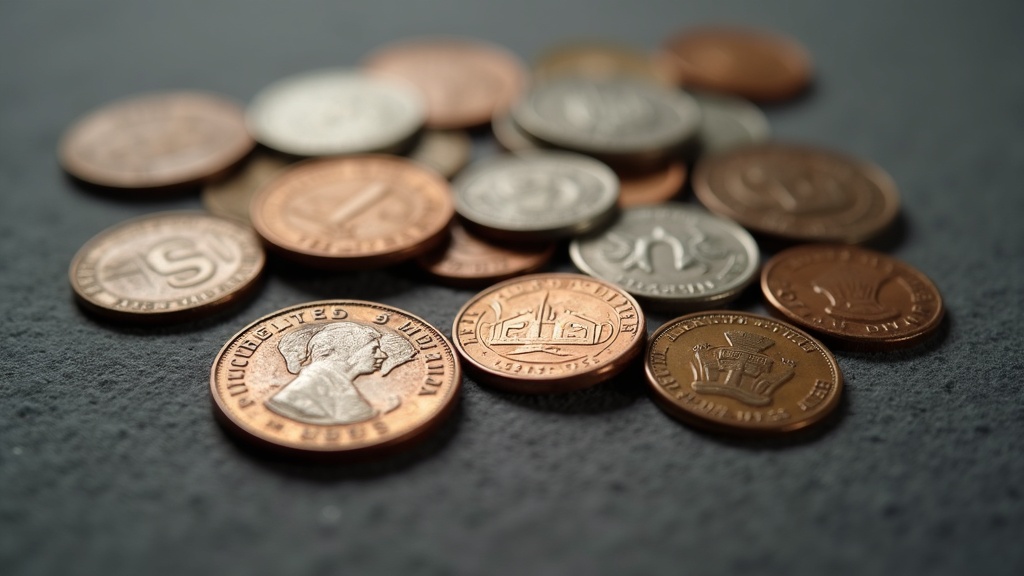
Coin collecting became a popular hobby in America through a combination of 19th-century curiosity about old and foreign coins, the rise of coin clubs and dealer networks, mid-20th-century publications and folders that made organizing a collection easy, and a surge of interest tied to coin shortages, new designs, and television and internet exposure. What began as a pastime for a small circle of enthusiasts grew into a hobby practiced by people of nearly every age and income level.
Early roots: curiosity before organization
Interest in old coins existed in America long before there was any formal hobby structure around it. Collectors in the 1800s were often drawn to coins as historical artifacts, much the same way people collected stamps, minerals, or antiques. Because coins circulated widely and carried dates, mint marks, and imagery tied to specific events, they offered an accessible way to hold a physical piece of history. This is a theme still explored today in discussions of how coins reflect the history of their times.
During this early period, collecting was largely informal. There were no standardized grading systems, few reference books, and limited ways to verify authenticity. People who wanted to learn more often had to rely on personal networks, correspondence, or the occasional article in a general-interest publication.
The founding of organized numismatics
A major turning point came with the establishment of numismatic associations and clubs, which gave collectors a way to share knowledge, compare notes, and set some shared expectations around terminology and authenticity. The American Numismatic Association became one of the most influential organizations in this respect, helping standardize education and communication among collectors across the country. Alongside national groups, smaller local and regional clubs sprang up, offering a more everyday version of that same connection; the way these groups function is described in more detail in a look at how coin clubs and numismatic societies work.
These organizations mattered because collecting is, at its core, a knowledge-dependent hobby. Determining whether a coin is genuine, understanding what its design commemorates, or figuring out approximate rarity all require reference points that individual collectors could not always develop alone.
The role of the US Mint and coin design
The hobby’s growth has always been closely tied to the coins the government actually produced. New designs, commemorative issues, and design changes gave collectors fresh material to pursue, while older series became historical curiosities in their own right. The institution responsible for producing the nation’s coinage, and the story of how its role expanded over time, is covered in a broader overview of the history of the US Mint.
Certain design changes had an outsized effect on public interest. Coins like the Lincoln cent, the Buffalo nickel, and the Walking Liberty half dollar are frequently mentioned by long-time collectors as pieces that first caught their attention, whether inherited from a relative’s jar of change or found while searching through pocket change as a child. This everyday accessibility—the fact that history could be found in ordinary transactions—helped the hobby spread far beyond wealthy or specialist circles.
Folders, albums, and the mid-20th-century boom
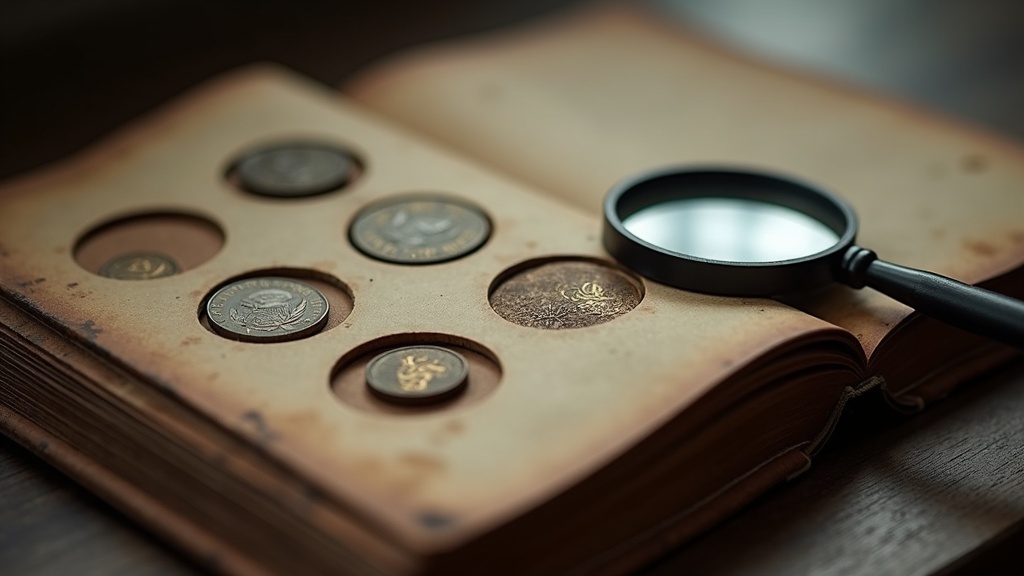
One of the most significant developments for casual participation was the introduction of coin folders and albums with printed openings for each date and mint mark in a series. These inexpensive products, widely sold from the mid-1900s onward, turned “collecting” into something a child or casual hobbyist could do simply by checking pocket change and bank rolls. Suddenly, building a collection didn’t require deep expertise or a large budget; it required patience and a folder.
This period also saw growth in coin shows, where collectors and dealers gathered in person to buy, sell, and trade. These events remain part of the hobby today, and newcomers attending one for the first time often benefit from understanding how coin shows and conventions work before they go, including typical etiquette described in guides to coin show etiquette and what to expect.
Media, milestones, and renewed public interest
Public attention to coin collecting has never been constant; it tends to rise and fall with cultural moments. Coin shortages, anniversary years for the Mint, and the release of new commemorative or circulating designs have periodically brought new people into the hobby. Television programs and, more recently, online communities and video content have introduced coin collecting to audiences who might never have walked into a coin shop.
Certain individual coins and discoveries have also captured public imagination well beyond the collecting community. The story of the 1933 Double Eagle is one well-known example of how a single coin’s history can draw attention from people with no prior interest in numismatics. Likewise, accounts of famous coin hoards and discoveries throughout history have periodically reignited curiosity about what might be sitting unnoticed in an old collection, drawer, or estate.
From hobby to broader interest in precious metals
As the hobby matured, some collectors’ interest expanded beyond historical or design significance into the metal content of coins themselves, particularly gold and silver issues. This overlap between traditional collecting and precious-metals interest is worth understanding as a distinction rather than a single pursuit; the differences in mindset are explored in a piece on how collectors distinguish collecting from investing. Coins valued mainly for their bullion content behave differently in the market than coins valued for rarity or historical significance, a distinction explained further in discussions of numismatic value versus bullion value.
This growth in precious-metals awareness has also attracted more aggressive sales approaches, particularly around retirement accounts and economic-uncertainty messaging. It is worth remembering that reputable dealers do not rely on high-pressure tactics, and that seeking a second opinion or an independent appraisal before any large purchase is a reasonable and common practice, not a sign of distrust.
Why the hobby has endured
Several factors help explain why coin collecting has remained popular across generations rather than fading as a passing trend:
- Coins are tangible, portable, and tied to identifiable history, dates, and design changes.
- The hobby scales from very low-cost entry (searching pocket change) to more advanced specialization.
- Organizations, clubs, and reference material have made self-education increasingly accessible.
- Storage and preservation practices have improved, helping collectors protect items for the long term, a topic covered in guides on how to store coins to prevent damage.
- Community aspects—shows, clubs, and shared identification challenges—give the hobby a social dimension beyond simply owning objects.
For readers who are newly curious, general orientation resources such as the site’s coin basics and identification hub or the broader US coins and history archive offer a starting point for learning terminology, series names, and historical context without needing to make any purchasing decisions right away.
Frequently asked questions about coin collecting in America
When did coin collecting become popular in the US?
Interest existed informally through the 1800s, but the hobby became widely accessible to ordinary Americans in the mid-1900s, once inexpensive coin folders, growing club networks, and organizations like the American Numismatic Association made learning and organizing a collection much easier for casual hobbyists.
Why do people collect coins instead of just spending them?
Many collectors are drawn to the history, artistry, or rarity a coin represents rather than its face value alone. Coins can document design changes, historical events, and minting practices, which is part of why some series attract dedicated collector interest well beyond their everyday spending value.
What made coin collecting accessible to regular people?
Cheap printed folders and albums with slots for each date and mint mark let anyone start a collection just by checking pocket change or bank-wrapped rolls. This removed the need for specialized knowledge or a large budget, opening the hobby to children, families, and casual collectors alike.
Is coin collecting still popular today?
Yes, though interest tends to rise and fall with cultural moments like new coin releases, anniversaries, or media coverage of notable discoveries. Online communities and video content have also introduced the hobby to newer, younger audiences who engage with it differently than earlier generations did.
How is coin collecting different from investing in gold or silver?
Traditional coin collecting generally centers on history, design, and rarity, while precious-metals interest centers on metal content and market value. The two overlap for some coins, but they involve different considerations, and understanding that distinction can help you decide what genuinely interests you before spending money.
Gold Coins Today publishes general information about coin collecting and precious metals, not financial, investment, tax or legal advice. We are writers and editors, not certified numismatists, appraisers, financial advisors or dealers. Coin and bullion values change constantly and depend on condition, authenticity and the current market — get a current appraisal or spot price from a qualified, reputable source before buying or selling, and consult a licensed financial advisor before treating precious metals as part of an investment strategy.