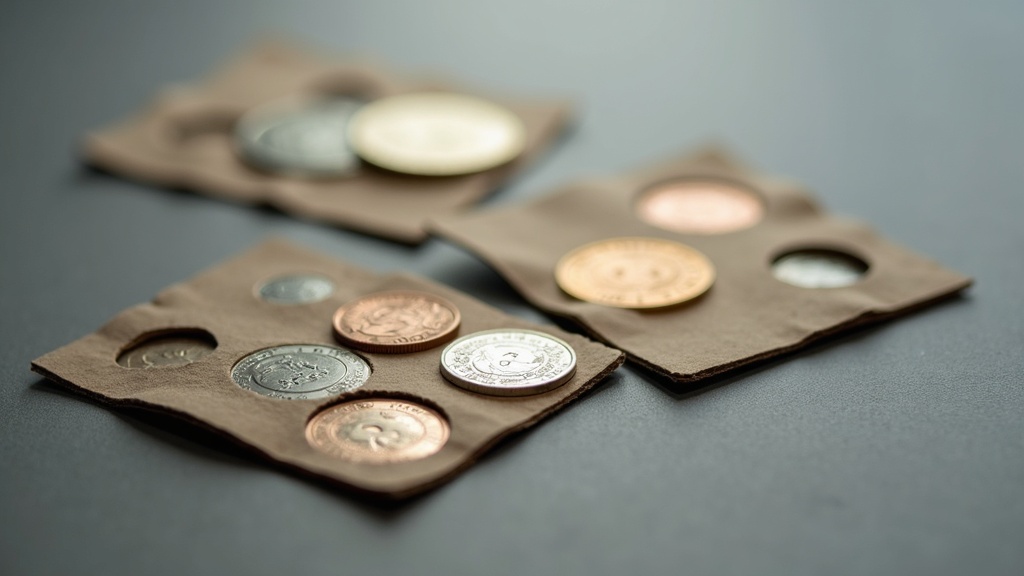
Coins are best protected from damage by controlling three things: what touches their surface, the air around them, and how often they’re handled. In practice this means using inert holders instead of PVC plastic, keeping storage areas cool and dry with stable humidity, handling coins by the edges or not at all, and avoiding any cleaning or polishing. Get those basics right and most coins, whether common pocket change or older collectibles, will look the same in twenty years as they do today.
Coin damage is rarely dramatic. It’s usually the slow result of moisture, chemical reactions with poor-quality plastics, or friction from careless handling. None of it is reversible once it happens, which is why prevention matters more than any cleaning method. This guide covers the practical side of storage; for a broader look at how people think about storing and safeguarding physical metals over time, see our overview on storage and custody considerations for physical metals.
Why coins deteriorate in storage
Metal reacts with its environment. Copper coins develop spots and discoloration from sulfur compounds in the air. Silver tones or tarnishes when exposed to humidity and certain gases. Even gold, which is highly resistant to corrosion, can pick up surface marks from contact with abrasive materials or other coins. The main environmental culprits are:
- Humidity — moisture in the air accelerates tarnishing and can cause corrosion spots, especially on copper and silver.
- Temperature swings — repeated expansion and contraction can stress holders and, in some cases, contribute to condensation inside sealed containers.
- Airborne pollutants — sulfur compounds from rubber, cardboard with certain adhesives, or industrial air can cause toning or spotting over time.
- Physical contact — skin oils, dust, and friction from sliding coins against each other or fabric leave marks that are considered damage in the eyes of most grading standards.
The PVC problem
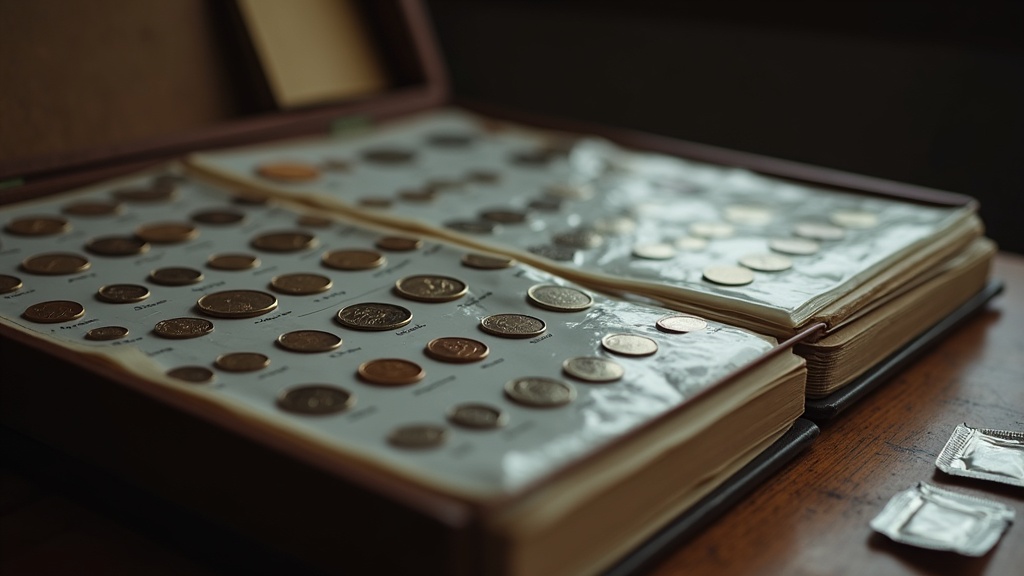
One of the most common causes of avoidable coin damage is polyvinyl chloride, or PVC, found in some inexpensive flexible plastic holders, sleeves, and pages. PVC can break down chemically over months or years, releasing plasticizers that create a sticky green or hazy film on coin surfaces. This residue can etch the metal if left long enough, and once it does, the damage is permanent. The safest approach is to avoid PVC-containing holders entirely and use materials described as inert, such as certain rigid plastics, Mylar, or archival-quality paper and cardboard. If you’re unsure whether an old holder contains PVC, it’s reasonable to transfer the coin to a known-safe holder rather than wait and see. Anyone assessing a coin that already looks hazy or sticky may want to review general information on how to tell if a coin has been cleaned, since removing PVC residue is a delicate task that can itself cause damage if done incorrectly.
Choosing storage materials
There is no single “best” holder for every coin — the right choice depends on the coin’s value, how often it will be viewed, and whether it needs to stay accessible or simply be preserved. Common options include:
- Coin capsules — rigid, airtight plastic holders sized to individual coins, generally considered a stable long-term option.
- Cardboard 2×2 holders — inexpensive folders that fold around a coin and staple shut; useful for bulk storage but should be archival-quality and kept away from moisture.
- Coin albums and folders — convenient for organizing a series by date and mint mark, though some older folder designs use materials that aren’t ideal for long-term contact.
- Flips — two-pocket holders, some soft (which may contain PVC) and some rigid and inert; check material composition before use.
For a closer comparison of these formats and when each makes sense, see our guide on the differences between an album, folder, and individual coin holders. Whichever format is chosen, coins that have already been professionally graded and sealed in a hard plastic holder generally shouldn’t be removed, since that slab is part of what supports the grading record; our piece on what documentation should come with a graded coin explains what typically accompanies a slabbed coin.
Environmental conditions worth aiming for
Most guidance from institutions that preserve metal objects points toward the same general targets: stable, moderate temperature, low humidity, and minimal exposure to light or fluctuating air. A closet or interior room away from exterior walls, basements, and attics is usually more stable than a garage or shed, where humidity and temperature swing more widely with the weather. Some collectors add a modest desiccant, such as a silica gel packet, inside a storage box to help absorb excess moisture, though it’s worth checking periodically rather than assuming it works indefinitely. Avoid storing coins in an airtight container alongside anything rubber or freshly printed cardboard, since off-gassing from these materials is a known contributor to tarnishing.
A simple table of common holder materials
| Material | General suitability | Notes |
|---|---|---|
| Rigid inert plastic (capsules, slabs) | Good for long-term storage | Look for products labeled PVC-free or inert |
| Mylar/polyester flips | Good | Stable but less cushioned than capsules |
| Soft vinyl flips | Avoid for long-term use | May contain PVC; check labeling |
| Archival cardboard 2x2s | Acceptable for bulk storage | Choose acid-free, lignin-free stock |
| Paper envelopes | Short-term only | No cushioning; can trap moisture if sealed |
Handling habits that prevent damage
Even the best holder can’t undo the effects of poor handling. A few habits go a long way:
- Hold coins by the edge, never across the face or reverse.
- Work over a soft, clean surface such as a felt pad in case a coin is dropped.
- Avoid touching the coin’s surface with bare fingers when possible; cotton gloves are sometimes used for higher-value pieces.
- Never attempt to clean, polish, or “brighten” a coin — cleaning is one of the most common causes of value loss because it alters original surfaces in ways that are usually visible to anyone experienced in assessing coins.
- Keep coins separated so they don’t rub against each other in storage, especially loose coins in a drawer or bag.
These same principles apply whether the coins are inexpensive circulated pieces or ones being kept for a broader interest in coin basics and identification.
Organizing a collection for long-term storage
Beyond material choice, how a collection is organized affects both preservation and peace of mind. Keeping an inventory — even a simple spreadsheet noting denomination, date, mint mark, and where each coin is stored — makes it far easier to check on a collection without repeatedly handling individual coins. For collections with meaningful value, some owners also look into insurance or a professional appraisal, which our article on coin insurance and appraisals discusses in more general terms. Storing higher-value pieces separately from everyday holders, and keeping a record of any grading documentation as described in our guide on what grading services actually do, can also help if a collection ever needs to be reviewed, sold, or passed on.
Frequently asked questions about storing coins
What is the best way to store coins at home?
Individual inert holders such as coin capsules or archival cardboard 2x2s, kept in a cool, dry, stable interior space away from humidity and temperature swings, are generally considered the most protective approach for coins stored at home over the long term.
Can I store coins in regular plastic bags?
Ordinary plastic sandwich bags aren’t ideal since many aren’t designed for long-term contact with metal and can trap moisture; purpose-made inert coin holders or archival envelopes are a safer choice for anything meant to be preserved.
How do I know if a coin holder contains PVC?
Manufacturers usually label PVC-free or inert holders explicitly; if a flexible plastic holder has no material information, has a strong plastic odor, or feels tacky over time, it’s reasonable to treat it as a risk and move the coin to a known-safe holder.
Should I clean a coin before storing it?
No — cleaning or polishing a coin typically removes original surface material and is widely viewed as damaging rather than protective; coins are generally stored as found, with any concerns about appearance addressed through proper holders instead.
Does humidity really affect coins that much?
Yes, humidity is one of the most consistent contributors to tarnishing and corrosion, particularly on silver and copper; keeping storage areas dry and stable is one of the simplest and most effective ways to slow this process.
Gold Coins Today publishes general information about coin collecting and precious metals, not financial, investment, tax or legal advice. We are writers and editors, not certified numismatists, appraisers, financial advisors or dealers. Coin and bullion values change constantly and depend on condition, authenticity and the current market — get a current appraisal or spot price from a qualified, reputable source before buying or selling, and consult a licensed financial advisor before treating precious metals as part of an investment strategy.