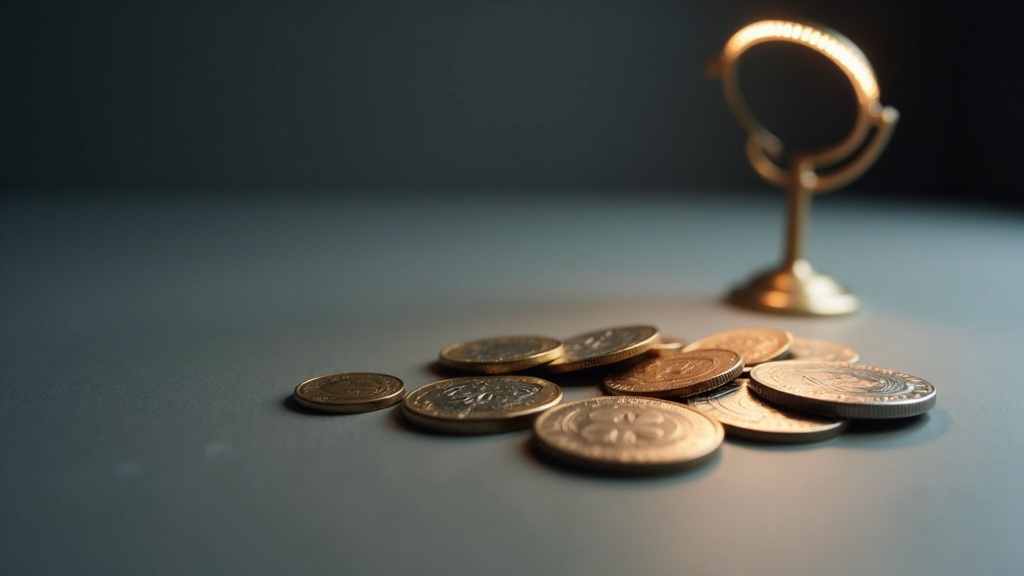
Photographing your coins for your own records means creating clear, well-lit images that show each coin’s date, mint mark, and surface condition, saved in a way you can find again later. You don’t need professional equipment — a smartphone, a steady surface, and consistent lighting are usually enough to build a useful personal catalog. The goal is documentation you can compare over time, not gallery-quality photography.
A personal photo record is different from images meant for insurance claims or a sale listing, though the techniques overlap. If you’re preparing photos specifically to support an insurance claim or a buyer’s due diligence, the considerations around detail, provenance, and documentation are covered separately in our guide to photographing coins for insurance or sale records. This article focuses on the simpler habit of keeping your own visual archive — useful for tracking a growing collection, noticing changes in a coin’s surface, or simply remembering what you own.
Why bother photographing coins you already own
Collections change hands, get reorganized, or sit untouched for years. A photo taken today gives you a reference point: what a coin looked like, how it was stored, and whether anything has changed since. This matters especially for coins prone to environmental effects — for example, if you’re curious about what causes toning on coins, a dated photo lets you see whether toning has developed or progressed over time rather than relying on memory.
Photos also help with basic organization. If you own more than a handful of coins, matching images to a spreadsheet or notebook entry makes it far easier to identify a coin later without having to remove it from its holder and risk mishandling it. That connects directly to good handling habits — our guide on how to handle coins properly to avoid damage explains why minimizing direct contact with a coin’s surface matters even during a simple photo session.

Basic equipment: what you actually need
You do not need a dedicated macro lens or a professional lighting rig to get useful record photos. A reasonable starting setup includes:
- A smartphone camera or a basic digital camera with a macro or close-up mode
- A plain, neutral background — a piece of gray or black matte cardstock works well
- Two soft, even light sources positioned at angles to avoid glare (desk lamps with diffuser paper or a cheap LED panel are fine)
- A small tripod, stack of books, or phone stand to keep the camera steady
- A soft surface like a felt pad to rest the coin on, reducing the chance of it rolling or scratching
If you already store coins in individual holders, you can often photograph through certain flips or capsules without removing the coin, which reduces handling risk. Our overview of coin holders — flips, capsules, and albums explains which holder types are clear enough for photography and which introduce glare or distortion.
Setting up consistent lighting
Coins are reflective, and metal surfaces pick up glare easily, which can obscure detail or wash out toning. A few practical adjustments make a real difference:
- Use two light sources at roughly 45-degree angles rather than one direct overhead light, which tends to create a single harsh reflection
- Diffuse the light with a sheet of white paper, thin fabric, or a diffuser dome — direct bulb light is almost always too harsh for a reflective surface
- Avoid mixing light types (for example, daylight from a window plus a warm indoor bulb), since this shifts the color balance and makes comparisons between photos less reliable
- Keep the setup consistent between sessions if you want to track changes over time — same light angle, same distance, same background
Consistency matters more than brightness. A slightly dim but evenly lit photo taken the same way each time is more useful for comparison than a brighter photo taken under different conditions.
Camera settings and focus
Most smartphones have a macro or close-up focus mode, sometimes triggered automatically when the lens gets close to a subject. A few tips:
- Tap the screen to set focus directly on the coin’s surface, not the background
- Hold the camera steady or use a stand — even small movement blurs fine details like mint marks
- Take a few photos at slightly different distances and angles, then keep the sharpest one
- Photograph both the obverse and reverse, and consider a close-up of the date and mint mark area separately if your camera struggles to keep the whole coin in sharp focus at once
If a coin has a rim, edge lettering, or reeding you want documented — some historic and world issues include distinctive edges — a photo angled slightly along the edge can capture that detail without needing specialized equipment.
What to capture for a useful record
| Shot | Why it’s useful |
|---|---|
| Full obverse and reverse | Basic identification and overall condition reference |
| Close-up of date and mint mark | Confirms exact issue, useful if labels are ever lost or holders are swapped |
| Edge or rim, if relevant | Documents reeding, lettering, or edge damage |
| Any notable toning, spotting, or wear | Creates a baseline to compare against in future years |
| The coin in its current holder | Records how and where it’s stored, useful for your own inventory |
Organizing and storing your photos
A photo is only useful if you can find it again. Simple habits go a long way:
- Name files consistently — for example, by denomination, date, and mint mark — rather than relying on default camera filenames
- Keep a basic spreadsheet or document alongside your photos noting where each coin is physically stored, when it was acquired, and any notes on condition
- Back up your photo files in more than one place — a cloud storage account and a local drive, for instance — the same way you’d think about protecting the coins themselves
- Store the digital record separately from the physical coins where practical, so a single household incident doesn’t affect both
This kind of documentation habit pairs naturally with sound physical storage. If you haven’t reviewed how humidity, temperature, and holder materials affect coins over time, our guide on how to store coins to prevent damage is a useful companion piece, as is our broader coin collecting guide for anyone building out a full personal system for tracking and caring for a collection.
A few things to avoid
Never clean a coin to make it “photograph better.” Cleaning almost always reduces a coin’s originality and can be visible under close inspection even when it looks fine to the naked eye — our article on why you should never clean a collectible coin covers this in detail. Also avoid handling coins by their faces during a long photo session; hold them by the edges, and keep the session brief to limit exposure to skin oils and airborne dust.
Frequently asked questions about photographing coins for your own records
Do I need a special camera to photograph coins at home?
No. A smartphone with a macro or close-up focus mode is sufficient for personal record-keeping. Good, even lighting and a steady hand or stand matter far more than the camera’s resolution or brand.
How often should I re-photograph my coins?
There’s no fixed schedule, but many collectors update photos when a coin changes holders, after long-term storage, or every year or two to track any visible changes such as toning or handling marks.
Can I photograph a coin through its holder?
Often yes, especially with rigid capsules or clear flips, though glare and scratches on the holder itself can obscure detail. Removing a coin briefly for a clearer shot is reasonable if done carefully and over a soft surface.
What’s the difference between records for myself and records for insurance?
Personal records are mainly for your own reference and tracking; insurance or sale documentation typically needs more consistent, higher-detail images and supporting paperwork, which is covered separately in our guide to photographing coins for insurance or sale.
Will bad lighting make a coin look cleaned or damaged when it isn’t?
Yes — harsh direct light can create glare that mimics scratches or hides genuine toning, while very warm or cool lighting can distort color. Soft, diffused, neutral lighting gives the most accurate representation of a coin’s actual surface.
Gold Coins Today publishes general information about coin collecting and precious metals, not financial, investment, tax or legal advice. We are writers and editors, not certified numismatists, appraisers, financial advisors or dealers. Coin and bullion values change constantly and depend on condition, authenticity and the current market — get a current appraisal or spot price from a qualified, reputable source before buying or selling, and consult a licensed financial advisor before treating precious metals as part of an investment strategy.