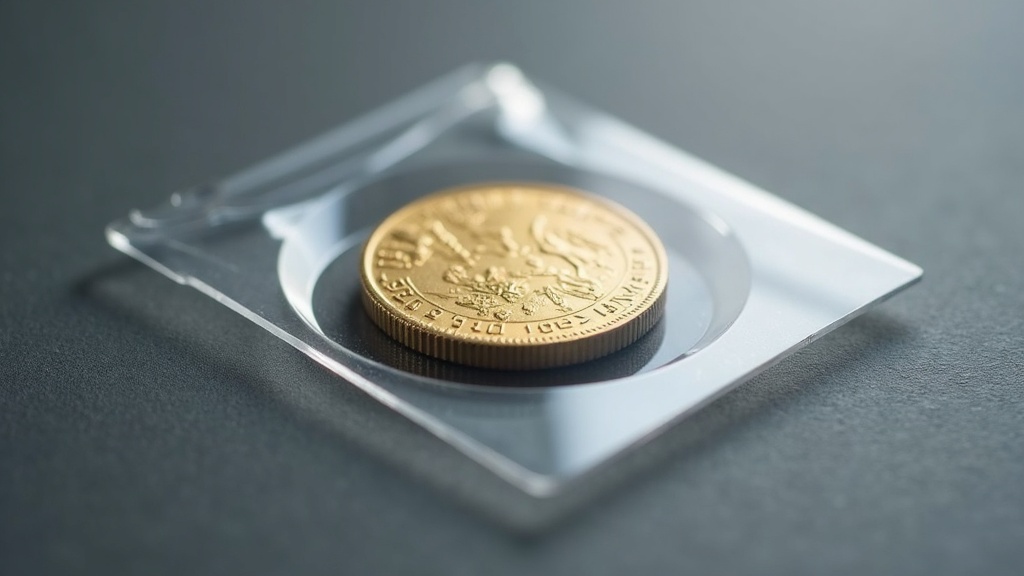
Slabbing a coin means sending it to a third-party grading service that authenticates it, assigns it a numeric condition grade, and then permanently seals it inside a hard, clear plastic holder with a label showing that information. Collectors do this to get an independent opinion on authenticity and condition, to protect the coin physically, and to make it easier to buy, sell, or insure with more confidence. The sealed holder itself is often called a “slab,” which is where the term comes from.
What actually happens when a coin is slabbed
When a coin is submitted to a grading service, it goes through several steps before it comes back in a holder. First, graders examine the coin to confirm it is genuine and not a counterfeit or an altered piece. Next, they evaluate its physical condition — things like wear, luster, marks, strike quality, and eye appeal — against an established standard, most commonly a 70-point numerical scale. The coin is then encapsulated in a hard plastic holder along with a label that typically lists the coin’s date, mint mark, denomination, variety if applicable, and the assigned grade. For a closer look at how that scoring system works, our overview of the coin collecting guide hub links out to related basics on grading terminology and standards.
The holder is designed to be tamper-evident, meaning it’s difficult to open and reseal without leaving obvious signs of interference. This is a core part of the value of slabbing: it lets a buyer trust that the grade on the label actually corresponds to the coin sealed inside, without needing to personally re-examine every detail.
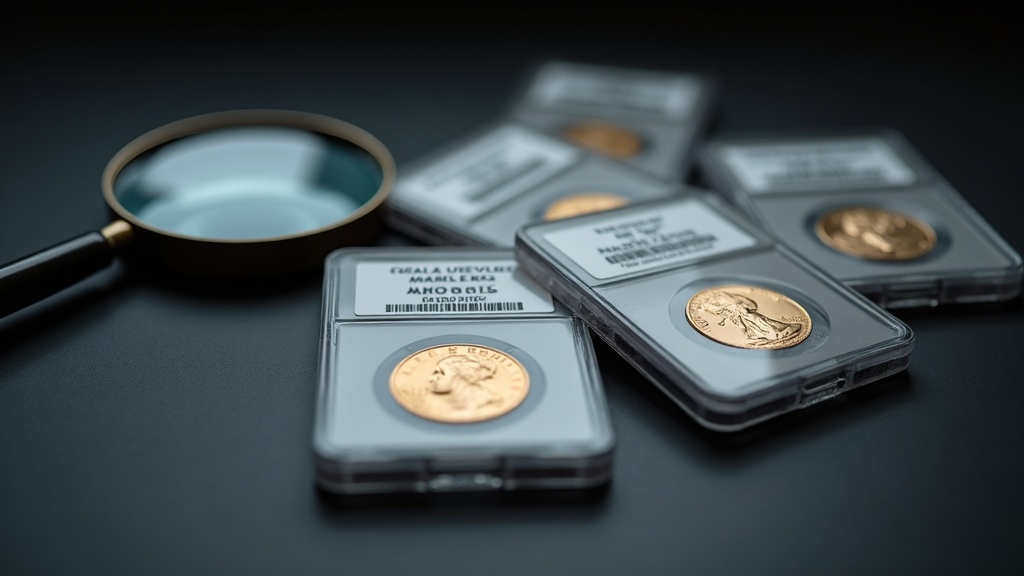
Why collectors choose to slab coins
There are a few recurring reasons collectors submit coins for grading and encapsulation rather than keeping them raw (ungraded) in flips, albums, or other everyday holders.
- Independent authentication. A reputable grading service provides a documented opinion, separate from the buyer’s or seller’s, on whether a coin is genuine. This matters most for coins that are frequently counterfeited or that carry meaningful premiums for authenticity.
- Standardized condition assessment. Grading terms like “About Uncirculated” or numeric grades can mean different things to different sellers when applied informally. A third-party grade gives buyers and sellers a shared reference point, even though grading always involves some professional judgment rather than an exact measurement.
- Physical protection. The holder shields the coin from fingerprints, airborne contaminants, and minor handling damage. This is one reason people who care about long-term preservation compare slabs to other options in our guide to coin holders, flips, and capsules.
- Easier resale and record-keeping. A slabbed coin with paperwork attached is often simpler to describe accurately in a sale listing, an estate inventory, or an insurance claim, since the essential facts are already documented on the holder and any accompanying certificate.
What slabbing does not do
It’s worth being clear-eyed about the limits of encapsulation. A grade reflects one service’s assessment at one point in time, using visual and sometimes technical examination — it is not a guarantee against all future disputes, and standards or interpretations can occasionally be revisited. A slab also does not set a price; it describes the coin, but what someone will actually pay depends on demand, rarity, and the broader market at the time of sale. Our piece on numismatic value vs bullion value explains why a graded collectible coin and a bullion coin of similar metal content can be valued very differently. For a plain look at what paperwork should typically accompany a graded coin, see our guide on documentation that should come with a graded coin.
It’s also important not to confuse a slab with a certificate of authenticity sold separately from an independent grading process. Some sellers attach their own “certificates” that carry far less weight than an assessment from an established, arms-length grading service. Our article on what certificates of authenticity really prove covers that distinction in more detail.
Which coins tend to get slabbed
Not every coin in a collection needs to be encapsulated. Collectors and sellers most often slab coins that are rare, carry a meaningful numismatic premium over their metal content, are frequently counterfeited, or are being prepared for auction or a higher-value private sale. Common circulated coins, modern bullion pieces bought purely for metal content, or coins being kept casually for sentimental reasons are frequently left raw, since the cost and process of grading may not add much practical benefit relative to the coin’s role in the collection. If you’re weighing whether a coin in your own holdings might be a candidate, an appraisal-focused resource like our guide on how to prepare a coin collection for sale or appraisal walks through that kind of decision-making in plain terms.
Slabbing and buying or selling with more confidence
For buyers, a slabbed coin from an established grading service can reduce — though not eliminate — the uncertainty involved in purchasing something you can’t personally authenticate with expert-level confidence. That’s part of why slabbed coins are common in higher-value transactions, including at coin auctions, where buyers often aren’t able to handle every lot in person before bidding. That said, encapsulation is not a substitute for basic due diligence. Counterfeit holders and altered labels do exist, so it remains reasonable to buy from a seller with a solid track record and to check a grading service’s own verification tools when available. Our overview of how to evaluate a coin dealer’s reputation and our list of red flags that suggest a counterfeit coin listing are useful starting points if you’re new to buying graded material, especially online.
If you’re ever approached with high-pressure claims that a slab guarantees a coin will rise in value, or that you must buy graded coins immediately before some deadline, treat that as a sales tactic rather than a fact about how grading works. A grade describes a coin’s authenticity and condition as assessed by that service — it does not promise future performance, and legitimate numismatic professionals generally don’t need urgency or fear to make their case. Getting a second, independent opinion before a large purchase is always a reasonable step.
Frequently asked questions about slabbing a coin
What does it mean when a coin is slabbed?
It means the coin has been examined by a third-party grading service, assigned a condition grade, and permanently sealed in a tamper-evident plastic holder with a label listing its details, so the grade and coin stay physically linked together.
Is it worth getting a coin slabbed?
It depends on the coin’s rarity, condition, and how you plan to use it. Rare or higher-value coins headed for sale or long-term storage often benefit from independent authentication and protection, while common or bullion-only pieces may not need it.
Can you remove a coin from a slab?
Technically yes, but doing so is discouraged because it breaks the tamper-evident seal and separates the coin from its documented grade, which can reduce buyer confidence and typically requires resubmission to restore that assurance.
Does slabbing a coin increase its value?
Slabbing itself doesn’t add metal or historical significance; it documents authenticity and condition. Whether that documentation affects what a buyer is willing to pay depends on the coin’s rarity, market demand, and the grade it actually receives.
How long does it take to get a coin slabbed?
Turnaround time varies by grading service, submission tier, and current volume of coins being processed, ranging from a couple of weeks to considerably longer for standard service, so it’s best to check current estimates directly with the service you choose.
Gold Coins Today publishes general information about coin collecting and precious metals, not financial, investment, tax or legal advice. We are writers and editors, not certified numismatists, appraisers, financial advisors or dealers. Coin and bullion values change constantly and depend on condition, authenticity and the current market — get a current appraisal or spot price from a qualified, reputable source before buying or selling, and consult a licensed financial advisor before treating precious metals as part of an investment strategy.