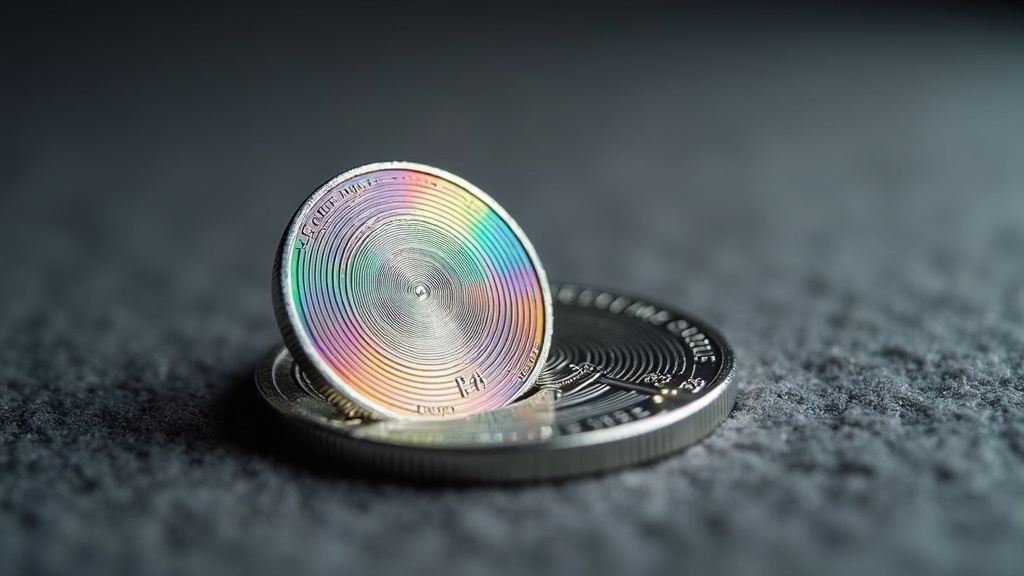
Toning is the layer of color that forms on a coin’s surface over time as the metal reacts with trace elements in the air, its holder, or whatever it has touched. It happens because coin metals like silver and copper are chemically reactive, and the resulting oxide film bends light to create colors ranging from pale gold to deep blue or purple. Whether toning is desirable depends entirely on the individual coin, the eye of the collector, and whether the toning is natural rather than artificially induced.
What Toning Actually Is
At the atomic level, toning is a thin film of oxidation or sulfide compounds building up on a coin’s surface. Silver is especially reactive to sulfur compounds in the air, which is why old silver coins often develop the amber, blue, and violet hues associated with classic toning. Copper reacts differently, typically darkening from bright red-orange toward brown and eventually a matte chocolate color as it oxidizes. Gold, being far less chemically reactive, rarely tones in any dramatic way, which is one reason gold coins tend to look similar decades or centuries after they were struck, aside from wear.
The thickness of this oxide layer determines the color a viewer sees, since light waves interfere with each other as they pass through the film and reflect off the metal underneath. A very thin layer might show only a faint yellow tint, while a thicker layer produces the blues, greens, and reds sometimes seen on coins that have sat undisturbed for generations. This is the same optical principle that makes oil slicks or soap bubbles show shifting colors.
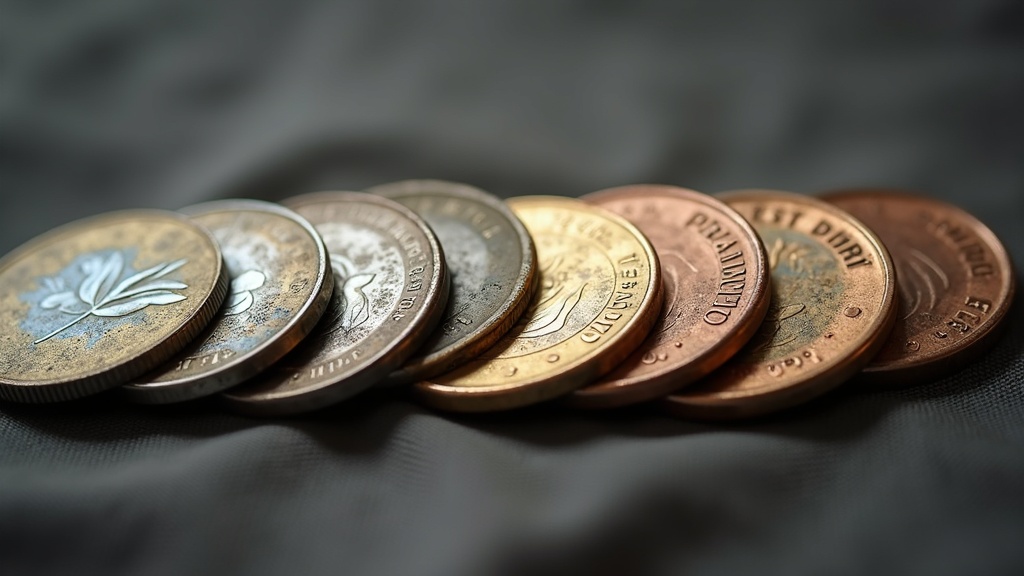
What Causes Toning to Develop
Several environmental factors combine to produce toning, and they rarely act alone.
- Humidity and moisture speed up oxidation, which is one reason storage conditions matter so much; our guide on how humidity and temperature affect coins goes into more depth on this.
- Sulfur-containing materials such as old cardboard mint packaging, certain paper envelopes, rubber bands, and some early plastic holders can transfer sulfur compounds directly onto a coin’s surface.
- Air quality, including trace industrial pollutants, can accelerate certain toning patterns, which is part of why coins stored in different regions or eras can develop noticeably different looks.
- Time itself is a factor, since even in stable conditions, slow oxidation continues for as long as the coin is exposed to any air at all.
- Contact with other coins or holders often produces a distinctive “album toning” ring, where a coin picks up color in the exact shape of the holder opening it sat in for years.
This is also why proper storage matters if a collector wants to slow or control toning going forward. Materials and container choice play a direct role, which is covered in more detail in the site’s overview of coin holders, flips, capsules and albums and in general advice on how to store coins to prevent damage.
Natural Toning vs. Artificial Toning
Collectors generally draw a sharp line between toning that developed gradually and naturally over years of storage, and toning that was deliberately induced to make a coin look older or more attractive than it actually is. Artificial toning can be produced through various chemical treatments or exposure to heat, and while some of these methods can look convincing at a glance, they often produce color patterns that experienced eyes recognize as inconsistent with how natural oxidation typically spreads across a coin’s surface.
Natural toning tends to follow patterns tied to how a coin was actually stored, such as color concentrated where a coin touched an album window or where air could circulate more freely. Artificially toned coins sometimes show unnaturally vivid or uniform color, or color that doesn’t correspond to any plausible storage history. Because distinguishing the two reliably takes experience and sometimes specialized tools, this is an area where an independent opinion is genuinely useful before assuming a coin’s toning is original.
Attempting to alter a coin’s toning, or to remove toning entirely, falls into the same category of concern as cleaning. If you’re deciding whether an odd-looking coin should be left alone, it’s worth reading why you should never clean a collectible coin, since the reasoning applies just as strongly to toning as it does to dirt or tarnish.
Is Toning Desirable?
There is no single answer, because toning affects a coin’s appeal and its perceived value in different, sometimes opposing, ways.
When toning tends to be seen favorably
Collectors who focus on eye appeal often prize coins with attractive, even, naturally occurring rainbow or “album” toning, particularly on silver dollars, half dollars, and certain classic series. A coin with vivid, well-balanced natural color can stand out dramatically from an otherwise similar untoned example, and some collectors specifically seek these coins out. This is part of why numismatic value can diverge from bullion value: two coins with identical silver content can be perceived very differently once toning, condition, and eye appeal enter the picture.
When toning is seen as a drawback
Not all toning is attractive. Blotchy, uneven, or dark toning that obscures detail is generally viewed as a negative, since it can make a coin harder to grade and less pleasing to look at. Toning that hides underlying corrosion, environmental damage, or wear is a separate concern entirely, since it can mask problems a buyer would otherwise want to know about.
Grading services and toning
Major grading services evaluate toning as part of a coin’s overall eye appeal and assign designations accordingly, but they are also alert to signs of artificial enhancement. A coin’s grade reflects a combination of factors, not toning color alone, and general background on this process is covered in the site’s explanation of what coin grading means.
Toning and Value: What Actually Matters
Toning can influence how a coin is perceived, but it is only one factor among several that determine value, alongside rarity, condition, authenticity, and current market demand. A coin’s overall grade, its date and mint mark rarity, and buyer interest at a given moment typically matter more than toning alone. Because these factors interact in ways that are hard to judge from a photo or a seller’s description, getting a current, independent appraisal is a reasonable step before buying or selling any coin where toning is a significant part of the asking price. If you’re new to how these pieces fit together generally, the coin basics and identification hub is a good starting point, and broader context on collecting choices is available in the investing considerations section.
Be cautious of any seller who uses a coin’s dramatic toning as the centerpiece of a high-pressure sales pitch, especially paired with urgency (“this won’t last,” “prices are about to jump”). Legitimate dealers describe a coin’s characteristics plainly and give buyers time to think; more on spotting pressure tactics is available in the site’s piece on precious metals sales tactics to watch for.
Frequently asked questions about coin toning
Does toning mean a coin is damaged?
Not necessarily. Toning is a surface oxide layer, not physical damage like a scratch or corrosion pit, though heavy or uneven toning can sometimes hide underlying problems, which is why a careful look under magnification or a professional opinion can help clarify what you’re actually seeing.
Can I remove toning from a coin?
Attempting to remove toning almost always counts as cleaning, which can leave hairlines or an unnatural surface and typically reduces a coin’s appeal to collectors rather than improving it, so most guidance is to leave toning exactly as it is.
How can I tell if toning is natural or artificial?
Natural toning usually follows patterns consistent with how a coin was actually stored, such as concentrated color at a holder’s edge, while artificial toning can look unusually vivid, uniform, or placed in a way that doesn’t match any real storage history; distinguishing the two reliably often takes experience or a second opinion.
Does toning increase a coin’s value?
Attractive, natural toning can increase a coin’s appeal to some collectors, but value still depends primarily on rarity, condition, authenticity, and demand, so toning alone doesn’t guarantee a higher price and should be considered alongside a current appraisal.
Why do silver coins tone more than gold coins?
Silver reacts more readily than gold with sulfur compounds and other elements in the air, which is why silver coins commonly develop visible color over time while gold, being far less chemically reactive, generally keeps its appearance much longer aside from wear.
Gold Coins Today publishes general information about coin collecting and precious metals, not financial, investment, tax or legal advice. Articles on this site are drafted with AI assistance (see our editorial policy) and are not written or reviewed by certified numismatists, appraisers, financial advisors or dealers. Coin and bullion values change constantly and depend on condition, authenticity and the current market — get a current appraisal or spot price from a qualified, reputable source before buying or selling, and consult a licensed financial advisor before treating precious metals as part of an investment strategy.