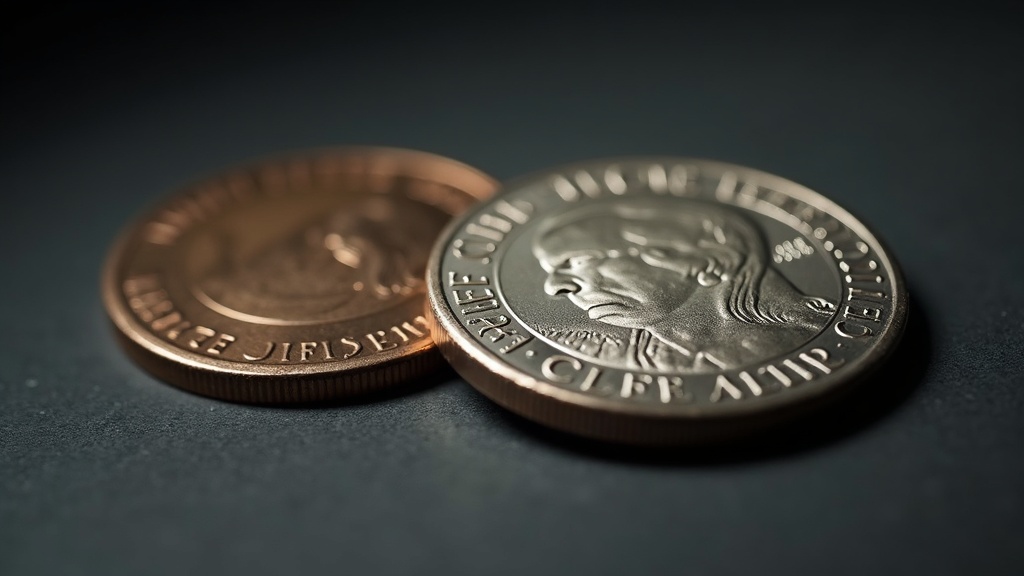
A proof coin is struck specifically for collectors using specially prepared dies and planchets, polished multiple times by hand or machine to produce a sharp, often mirror-like finish, while a business strike is a coin made for ordinary circulation using standard dies and production methods. The two can carry the exact same design and denomination, but the manufacturing process, intended purpose, and resulting surface quality are different. Understanding that difference helps explain why two coins that look similar at a glance can be treated very differently by collectors and dealers.
How a business strike is made
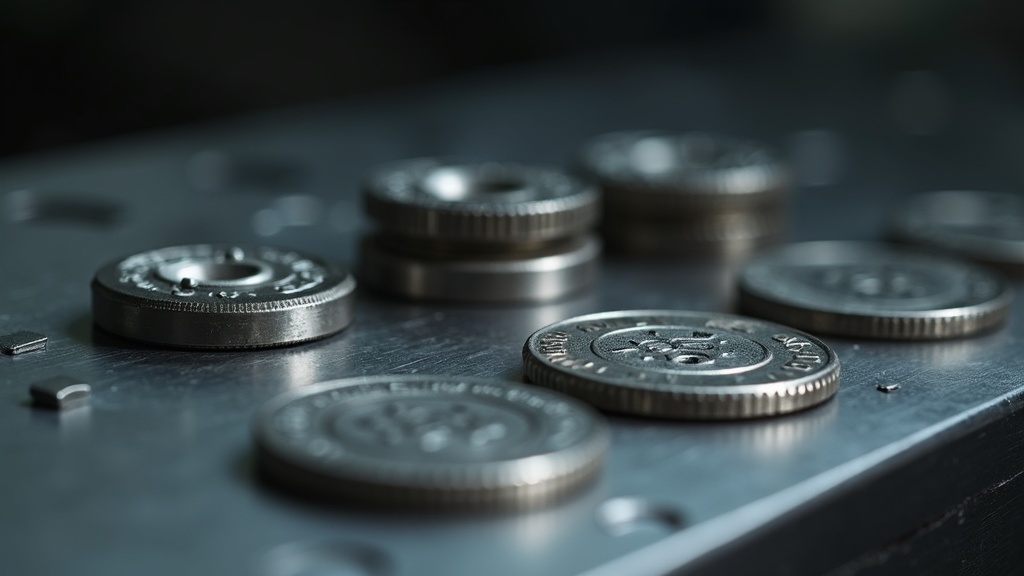
Most coins in circulation are business strikes. Mints produce them in large quantities, at high speed, on dies that are used repeatedly until they wear down and are replaced. The planchets (blank metal discs) are cleaned but not specially polished, and the coins are struck once, typically under standard pressure, then dropped into bins with thousands of others. This process is efficient and designed for volume, not for cosmetic perfection. As a result, business strikes often show minor die wear, small surface marks from contact with other coins, and a satin or dull luster rather than a deep mirror shine.
None of this makes a business strike a lesser coin in a functional sense — it’s simply made to do a job: move through commerce. Most coins people encounter in pocket change, in rolls from a bank, or in older accumulated hoards are business strikes.
How a proof coin is made
Proof coins are made differently from the start. The dies used to strike them are often specially treated, sometimes with a frosted texture applied to the raised design elements and a polished, mirror-like field around them, though exact finishing techniques have varied across mint eras and countries. Planchets are typically selected for quality and may be polished before striking. The coin is usually struck more than once, and at lower speeds, so the design comes out with more complete detail and sharper edges than a typical business strike. Because of this careful handling, proof coins are frequently packaged individually or in small protective holders straight from the mint rather than dumped in bulk.
The result is a coin that, when in original condition, tends to show a strong contrast between a mirror-like background and a frosted design — sometimes called a “cameo” effect — along with crisp, fully struck detail. This is a manufacturing distinction, not just an aesthetic one.
Proof does not mean rare
A common misconception is that “proof” automatically means valuable or scarce. Mints have produced proof coins in large numbers for many series over the decades, sold directly to collectors through official proof sets. Being a proof tells you about the manufacturing method and finish, not necessarily the mintage. Rarity, condition, and demand are separate factors that determine how sought-after a specific coin turns out to be, and those factors are worth learning about generally rather than assuming from the word “proof” alone.
Key visual and physical differences
Side by side, the two types of coins can usually be distinguished by a few consistent traits, though wear, cleaning, or damage can complicate identification on older coins.
- Surface finish: Proofs often show a mirrored field and/or frosted devices; business strikes usually show a more uniform satin or dull luster.
- Strike sharpness: Proofs tend to show fuller, crisper detail in design elements because of the multiple lower-speed strikes; business strikes can show softer detail, especially on high points.
- Edge and rim quality: Proofs often have sharper, more squared-off rims; business strikes may show slightly more rounded or less defined rims.
- Packaging and mint marks: Proofs are frequently sold in official mint packaging, and some mints use a distinct mint mark or designation for proof issues, which is one reason learning to read a coin’s date and mint mark carefully matters.
- Surface marks: Business strikes are more likely to show small bag marks or contact marks from handling in bulk; proofs, kept in individual packaging from the start, are less likely to show this kind of wear unless mishandled later.
Why the distinction matters to collectors
The proof-versus-business-strike distinction matters because grading services and collectors evaluate the two categories somewhat differently. A proof coin is graded on its own numeric scale that reflects how well it was struck and preserved, separate from circulated business-strike grading, which is part of why understanding what coin grading actually means is useful background before assuming a label tells the whole story. If you’re new to grading terminology in general, the Coin Basics & Identification hub is a reasonable starting point, and pieces on the Sheldon coin grading scale and on what abbreviations like MS, AU, and XF mean explain how condition is typically described numerically and in shorthand.
It’s also worth knowing that a coin doesn’t have to be a proof to be well struck or attractive — many business strikes are struck sharply and survive in excellent condition, and grading services do apply designations to unusually well-made business strikes in some cases. The categories describe how a coin was made, not a simple hierarchy of quality.
A quick side-by-side comparison
| Feature | Business strike | Proof coin |
|---|---|---|
| Intended purpose | Circulation / commerce | Collector sets, official mint sales |
| Die preparation | Standard, reused until worn | Specially treated/polished, replaced more often |
| Number of strikes | Usually one | Often multiple, at lower speed |
| Typical finish | Satin or dull luster | Mirror fields, often with frosted design |
| Packaging | Bulk bags/rolls | Individual mint packaging or sets |
What to consider before buying either type
Whether you’re looking at a modern proof set, an older proof coin from a secondary market, or a well-preserved business strike, the same general habits apply. Look closely at surface condition, check the date and mint mark carefully — small details there can indicate the specific issue you’re looking at, which is covered in more depth in the guide on reading the date and mint mark on a US coin — and consider whether an independent grading opinion or appraisal makes sense before a significant purchase. Reputable dealers and mints don’t need high-pressure tactics to sell a coin on its own merits, and a seller pushing urgency, secrecy, or fear-based language about currency collapse or “acting now” is a signal to slow down and get a second opinion, not a reason to rush.
For those wanting an official description of proof coin production, the United States Mint publishes information on how its proof sets are made, and third-party grading services such as PCGS and NGC publish general educational material on how proof and business-strike coins are distinguished and graded.
Frequently asked questions about proof coins vs business strikes
Is a proof coin worth more than a regular coin?
Not automatically. Value depends on mintage numbers, condition, demand, and metal content, not just whether a coin is labeled “proof.” Some proofs were made in large numbers and are common, while some business strikes are genuinely scarce; a current appraisal is the reliable way to know a specific coin’s standing.
Can you spend a proof coin like regular money?
In most cases a proof coin shares the same legal tender status and face value as its business-strike counterpart, so technically it could be spent, but doing so would likely damage its collector value and finish, and proofs are almost always intended to be kept rather than circulated.
How can I tell if my coin is a proof or a business strike?
Check for a mirror-like background field, frosted raised design elements, unusually sharp detail, and squared rims. Original mint packaging or a proof-specific mint mark are also strong indicators; when uncertain, a grading service or experienced appraiser can confirm it.
Do all mints make proof coins?
Many national mints, including the U.S. Mint, produce proof versions of circulating designs for collectors, but not every coin or every year necessarily has a proof version, and practices vary by country and era.
Does a proof coin have a different mint mark than a business strike?
Sometimes. Certain mints have used a specific mint mark tied to the facility that strikes proof coins, separate from the mark used on that year’s business strikes, though the exact convention has changed over time, so checking the coin’s date and mint mark against reliable references is worthwhile.
Gold Coins Today publishes general information about coin collecting and precious metals, not financial, investment, tax or legal advice. We are writers and editors, not certified numismatists, appraisers, financial advisors or dealers. Coin and bullion values change constantly and depend on condition, authenticity and the current market — get a current appraisal or spot price from a qualified, reputable source before buying or selling, and consult a licensed financial advisor before treating precious metals as part of an investment strategy.