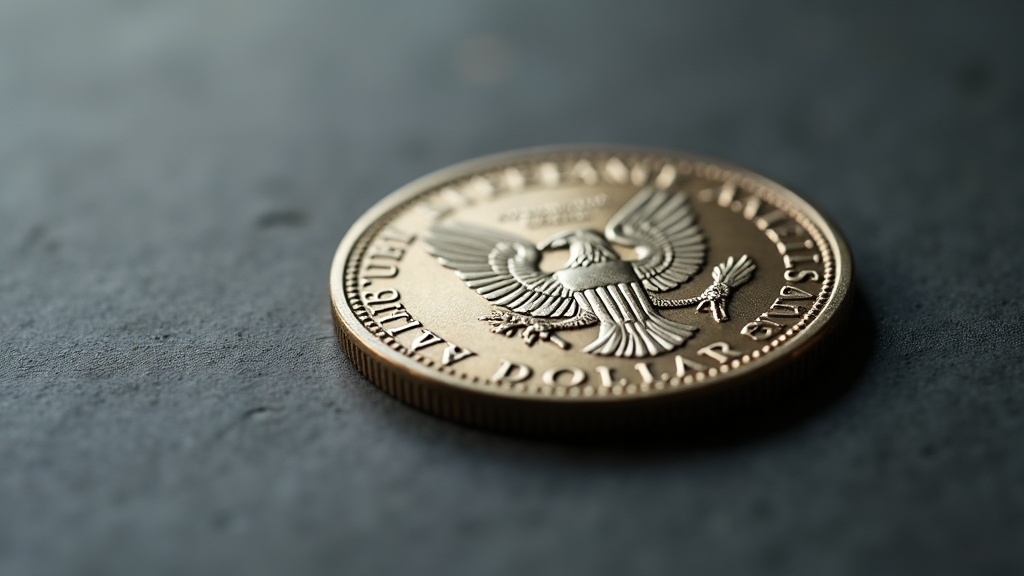
The Susan B. Anthony dollar was the United States Mint’s 1979 attempt to replace the bulky Eisenhower dollar with a smaller coin, and it became the first US circulating coin to depict a real, named woman. It was struck from 1979 to 1981 and again briefly in 1999, but the public largely refused to use it, confusing it with the quarter, and the Mint eventually shifted to the Sacagawea dollar as a result.
Why the Mint Created a New Dollar Coin
By the late 1970s, the large Eisenhower dollar was unpopular with the public and expensive for the Mint to produce. Vending machine operators, transit systems, and everyday cash users wanted a dollar coin they could actually carry without it weighing down a pocket. Congress authorized a smaller dollar coin in 1978, and the Mint set out to design one that would be practical enough to finally replace paper dollar bills in day-to-day circulation, a goal the government has pursued off and on for decades. For broader context on how the Mint has repeatedly redesigned US coinage to meet the needs of commerce, the history of the US Mint is a useful starting point.
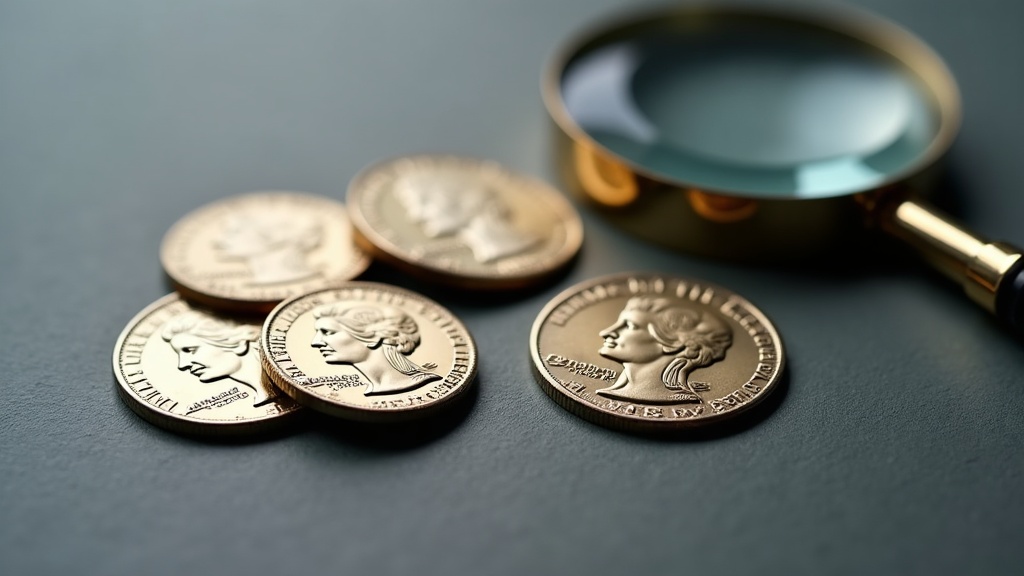
Choosing Susan B. Anthony as the Design
Rather than reuse an allegorical Liberty figure, as most earlier US coins had done, Congress and the Mint chose to honor Susan B. Anthony, the suffragist leader whose advocacy helped pave the way for the 19th Amendment and women’s voting rights. This made the coin historically significant on its own terms, separate from any question of its metal content or market value. The obverse features a portrait of Anthony, while the reverse reused the eagle design from the Eisenhower dollar, tying the new coin visually to the one it was meant to replace. Coins like this one are a good example of how currency design choices often reflect the social and political moment in which they were struck, a theme explored further in pieces about how coins reflect the history of their times.
Why the Coin Struggled in Circulation
Despite good intentions, the Susan B. Anthony dollar ran into a practical problem almost immediately: its size, color, and reeded edge were extremely close to those of the quarter. Cashiers and consumers regularly mistook one for the other, and many people simply avoided using the new dollar coin to sidestep the confusion. Vending machine and transit adoption, the very use case that justified making the coin in the first place, never reached the scale the Mint had hoped for. Millions of the coins ended up sitting unused in bank vaults and government stockpiles rather than circulating hand to hand. The Mint suspended regular production after 1981, though a limited run resumed briefly in 1999 to bridge the gap before the Sacagawea dollar’s release.
Production Years and Mint Marks
The Susan B. Anthony dollar was struck at multiple Mint facilities, and mint marks appear on the coin’s obverse near Anthony’s portrait. Collectors generally sort these coins by year and mint of production rather than by rarity alone, since most dates were struck in large numbers for circulation. The table below offers a general overview of the series’ production span; specific figures for any individual date and mint combination are best confirmed through a reference like the US Mint or a numismatic grading service rather than assumed.
| Years Struck | Notes |
|---|---|
| 1979 | Initial release year; multiple mint facilities produced circulation coins |
| 1980 | Continued production as public adoption remained limited |
| 1981 | Struck primarily for collector sets as circulation demand fell |
| 1999 | Brief resumption to meet dollar coin demand before Sacagawea’s debut |
Because so many of these coins were struck and then never widely circulated, most examples that exist today are in relatively similar condition, which is a bit unusual for a series that age. Understanding how professional graders assess wear and preservation can help explain why some Susan B. Anthony dollars are more sought after than others; the concept of what coin grading means is a helpful place to start, and the idea of a key date coin explains why certain years or mint marks draw more collector interest even within a common series.
What Collectors Look For Today
For most people who come across a Susan B. Anthony dollar, the coin is a piece of everyday pocket change history rather than a rare find. Collectors interested in the series tend to focus on assembling a complete date-and-mint set, on original uncirculated examples that were never released into commerce, or on the 1999 issue that bridged the gap to the Sacagawea design. As with any coin, condition plays a large role in how a piece is regarded, so handling and storage matter. Coins that have been mishandled, cleaned, or stored improperly can lose the surface quality that collectors value, which is why guidance on how to never clean a collectible coin and how to use proper coin holders, flips, capsules and albums is worth reading before deciding what to do with an inherited or found example.
If you’re new to identifying and organizing coins like this one, the site’s coin collecting guide hub covers the basics of identification, handling, and storage, while the US coins and history archive has more background on other circulating series from the same era. Anyone considering buying or selling examples of this coin, especially graded or slabbed pieces represented as scarce, should apply the same caution recommended for any numismatic purchase: legitimate sellers do not need to pressure a buyer into a quick decision, and a second opinion or independent look at a listing before a significant purchase is a reasonable step, not an insult to the seller.
Frequently asked questions about the Susan B. Anthony dollar
Is the Susan B. Anthony dollar made of silver?
No, the circulating Susan B. Anthony dollar is a copper-nickel clad coin, not silver. Some special collector proof sets from the era were struck differently, so if you have one you believe may contain silver, checking its composition through a reliable identification resource is the safest first step.
Why did the Susan B. Anthony dollar fail?
It was widely confused with the quarter because of its similar size, color, and edge, which discouraged everyday use. Combined with limited public and business adoption for vending machines and transit, the coin never achieved the circulation the Mint had originally intended.
How can I tell what year my Susan B. Anthony dollar is from?
The date and mint mark appear on the coin’s obverse, near Susan B. Anthony’s portrait. Learning to properly locate and read this information is a basic identification skill covered in general guides on reading the date and mint mark on a US coin.
Are Susan B. Anthony dollars rare or valuable?
Most examples were struck in large numbers and are not considered rare, though condition and specific date-and-mint combinations can affect collector interest. Because prices shift with market demand, anyone wanting a current sense of value should seek an appraisal or check live pricing from a reputable numismatic source rather than relying on an old figure.
What replaced the Susan B. Anthony dollar?
The Mint introduced the golden-colored Sacagawea dollar in 2000, designed with a distinct color and smooth edge specifically to avoid the confusion with the quarter that had undermined the Anthony dollar’s circulation.
Gold Coins Today publishes general information about coin collecting and precious metals, not financial, investment, tax or legal advice. We are writers and editors, not certified numismatists, appraisers, financial advisors or dealers. Coin and bullion values change constantly and depend on condition, authenticity and the current market — get a current appraisal or spot price from a qualified, reputable source before buying or selling, and consult a licensed financial advisor before treating precious metals as part of an investment strategy.