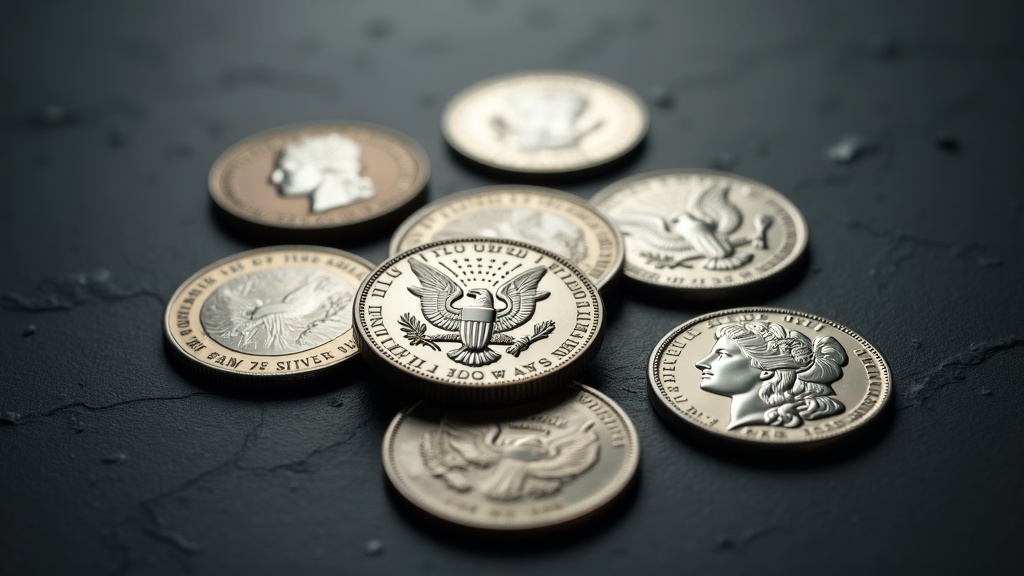
The Morgan silver dollar was struck by the United States Mint from 1878 to 1904, and again for one year in 1921, largely as a result of political pressure from western silver mining interests rather than any real commercial need for a large silver coin. Designed by English-born engraver George T. Morgan, it became one of the most widely collected coins in American history because of its size, its long production run across multiple mints, and the dramatic story of millions of coins being melted and later rediscovered decades later.
Why the coin was created
After the Coinage Act of 1873 effectively ended the free coinage of silver, mining interests in Nevada, Colorado, and other western states pushed hard for the government to buy more silver and turn it into coin. That pressure led to the Bland-Allison Act of 1878, which required the U.S. Treasury to purchase a set quantity of silver bullion each month and strike it into silver dollars. The law wasn’t driven by public demand for a dollar coin; most large transactions at the time were handled with paper certificates or gold. The Morgan dollar existed, in large part, because Congress had committed to buying silver whether or not anyone particularly wanted the coins in circulation.
The design and the designer
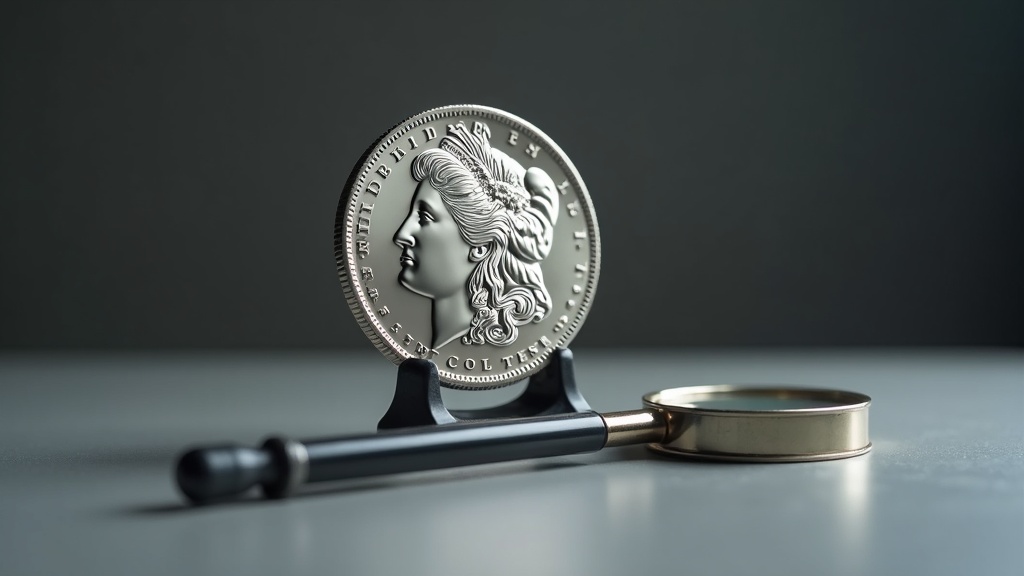
George T. Morgan had joined the Philadelphia Mint as an assistant engraver in 1876, brought over from England in part because Mint officials wanted fresh design talent. His obverse shows a left-facing profile of Lady Liberty, modeled after a Philadelphia woman named Anna Willess Williams, wearing a cap inscribed “LIBERTY” and crowned with wheat, cotton, and wheat leaves. The reverse depicts a heraldic eagle with wings spread, holding an olive branch and arrows, encircled by a wreath. Collectors sometimes confuse this coin’s reverse eagle with other classic U.S. designs, so learning to read the small design details is part of the fun of getting familiar with the series, something covered more broadly in a general guide to coin collecting terminology if you’re new to identifying design elements.
Mints and mint marks
Morgan dollars were struck at several U.S. Mint facilities, and figuring out which one made a particular coin matters a great deal to collectors because mintage figures varied enormously by location and year. The coins carry a small mint mark below the wreath on the reverse: no letter for Philadelphia, “S” for San Francisco, “O” for New Orleans, “CC” for Carson City, and “D” for Denver, which only struck Morgans in the final 1921 production year. Learning to locate and read that mark is a foundational skill for anyone working with this series, and the site’s guide on how to read the date and mint mark on a U.S. coin walks through exactly where to look and why it’s easy to miss on a worn coin.
The Carson City coins and the silver lobby’s influence
The Carson City Mint, opened specifically to process silver from the nearby Comstock Lode, struck Morgan dollars only intermittently and in smaller quantities than the larger eastern and western mints. That relative scarcity, combined with the mint’s frontier history, has made Carson City Morgans a recognizable subset of the series among collectors, though scarcity by mint alone doesn’t automatically make a coin valuable — condition and survival rates matter just as much. This is where understanding the broader concept of a key date coin becomes useful, since some Morgan dollar dates and mint combinations are genuinely harder to find in nice condition than others, while some coins with low mintages actually survived in large numbers because they were saved rather than spent.
The Pittman Act and the great melting
One of the most consequential events in Morgan dollar history didn’t happen at the Mint at all. During World War I, Britain needed silver to help stabilize India’s currency, and the United States agreed to sell it a large quantity of silver bullion. The Pittman Act of 1918 authorized the government to melt down millions of silver dollars sitting in Treasury vaults to supply this need, with a promise to eventually re-coin an equivalent amount of new silver dollars later. That melting is why 1921 saw a fresh wave of Morgan dollar production (before the design was replaced later that same year by the Peace dollar) and why survival numbers for coins struck decades earlier were affected in ways that aren’t always obvious just from looking at original mintage figures.
Decades in bank vaults, then a public sale
After production ended, huge quantities of Morgan dollars sat largely untouched in Treasury and Federal Reserve vaults for much of the twentieth century, since paper currency had mostly replaced the need for a large silver coin in daily transactions. In the 1960s, when silver prices rose and the public rushed to redeem silver certificates for actual coin, the Treasury discovered enormous stockpiles of uncirculated Morgan dollars, including a substantial cache of Carson City coins that had never entered circulation at all. The General Services Administration eventually sold off much of this hoard to the public in the 1970s, which is part of why so many Morgan dollars today, especially Carson City issues, still survive in excellent, lightly handled condition.
What collectors look at today
Because Morgan dollars were struck over decades at multiple mints with wildly different survival rates, condition and originality drive most of the meaningful differences in demand. A coin’s grade, whether it shows original mint luster, and whether it has been cleaned all affect how a knowledgeable collector or dealer will view it; a coin that’s been polished or dipped to look shinier often looks worse to a trained eye than one left alone, which is why it’s worth understanding how to tell if a coin has been cleaned before assuming a bright coin is automatically desirable. Third-party grading services exist specifically to give buyers and sellers a more consistent, independent read on condition, and it’s reasonable to want that kind of second opinion, particularly for a series with as many date, mint, and variety combinations as the Morgan dollar.
If you’re just getting oriented in the series, start by browsing the mechanics rather than the price tags: the broader coin basics and identification hub on this site is a good jumping-off point, and a general primer on how to start a coin collection from scratch covers storage, handling, and organization basics that apply just as well to a handful of Morgan dollars as to any other collection.
A note on sales pressure
Morgan dollars are frequently featured in aggressive marketing, partly because “old silver dollar” sounds dramatic and partly because the series’ history lends itself to storytelling. Legitimate dealers explain condition, authenticity, and current market pricing calmly and let you take your time; high-pressure tactics, urgency framing, or claims that a coin is guaranteed to rise in value are red flags regardless of how compelling the historical backstory is. A second opinion or an independent appraisal before any significant purchase is a reasonable, ordinary step, not an insult to the seller.
Frequently asked questions about the Morgan silver dollar
Why is it called the Morgan silver dollar?
It’s named after its designer, George T. Morgan, an assistant engraver at the Philadelphia Mint who created both the obverse Lady Liberty portrait and the heraldic eagle reverse used on the coin from 1878 through 1904 and again in 1921.
What years were Morgan silver dollars made?
The Mint struck Morgan dollars from 1878 through 1904, then stopped, before producing one additional year in 1921 using leftover silver bullion tied to the Pittman Act before the design was replaced by the Peace dollar later that year.
How can I tell which mint made my Morgan dollar?
Look below the wreath on the reverse for a small mint mark letter — no letter means Philadelphia, while “S,” “O,” “CC,” or “D” indicate San Francisco, New Orleans, Carson City, or Denver; a loupe or magnified photo helps on worn coins.
Are all Morgan silver dollars rare?
No. Mintages varied enormously by year and mint, and the 1960s-70s Treasury releases put large numbers of well-preserved coins into public hands, so rarity and demand depend on the specific date, mint mark, condition, and any notable variety rather than the series as a whole.
Why were so many Morgan dollars melted?
The Pittman Act of 1918 authorized melting millions of silver dollars in Treasury vaults so the bullion could be sold to help stabilize British India’s currency during World War I, which reduced surviving quantities of several earlier dates and mints.
Gold Coins Today publishes general information about coin collecting and precious metals, not financial, investment, tax or legal advice. We are writers and editors, not certified numismatists, appraisers, financial advisors or dealers. Coin and bullion values change constantly and depend on condition, authenticity and the current market — get a current appraisal or spot price from a qualified, reputable source before buying or selling, and consult a licensed financial advisor before treating precious metals as part of an investment strategy.
Related reading
Common Coin Collecting Mistakes Beginners Make, Coin Album vs Coin Folder vs Coin Holders, How to Start a Coin Collection From Scratch.