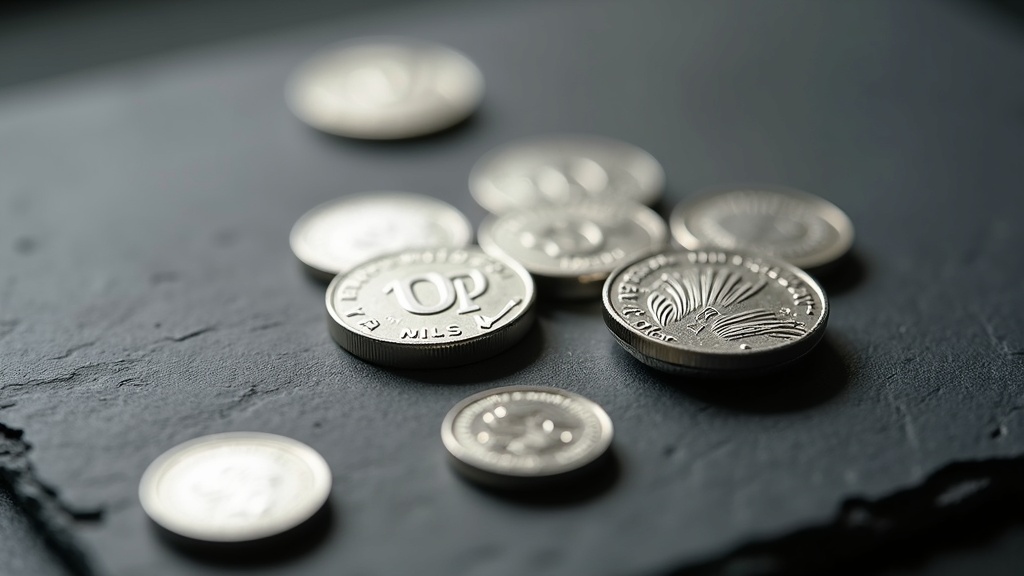
Platinum and palladium bullion coins are government-issued coins struck in high-purity platinum or palladium, sold primarily for their metal content rather than as circulating currency. They work much like gold and silver bullion coins do — priced off the metal’s live spot value, backed by a national mint, and bought mainly by people who want direct exposure to a specific precious metal. The key differences from gold and silver lie in supply, industrial demand, and how thinly traded these markets are compared to the bigger bullion metals.
What makes platinum and palladium different from gold and silver
Gold and silver have long, well-established roles as monetary metals, and their bullion markets are correspondingly deep and liquid. Platinum and palladium are rarer in absolute terms, and a large share of global demand for both comes from industrial uses — particularly catalytic converters in the automotive industry, along with electronics, medical equipment, and jewelry. That industrial pull means their pricing can behave differently than gold’s, which is driven more by currency, savings, and central-bank demand. If you’re new to how melt value is calculated in general, the article on what determines a coin’s melt value walks through the basic mechanics that apply to any bullion metal, platinum and palladium included.
Because the platinum and palladium coin markets are smaller than gold or silver, bid-ask spreads (the gap between what a dealer pays to buy and charges to sell) can be wider, and premiums over spot price can swing more depending on available supply. That’s simply a feature of a thinner market — not a reason to avoid the metals, just something worth understanding before buying.
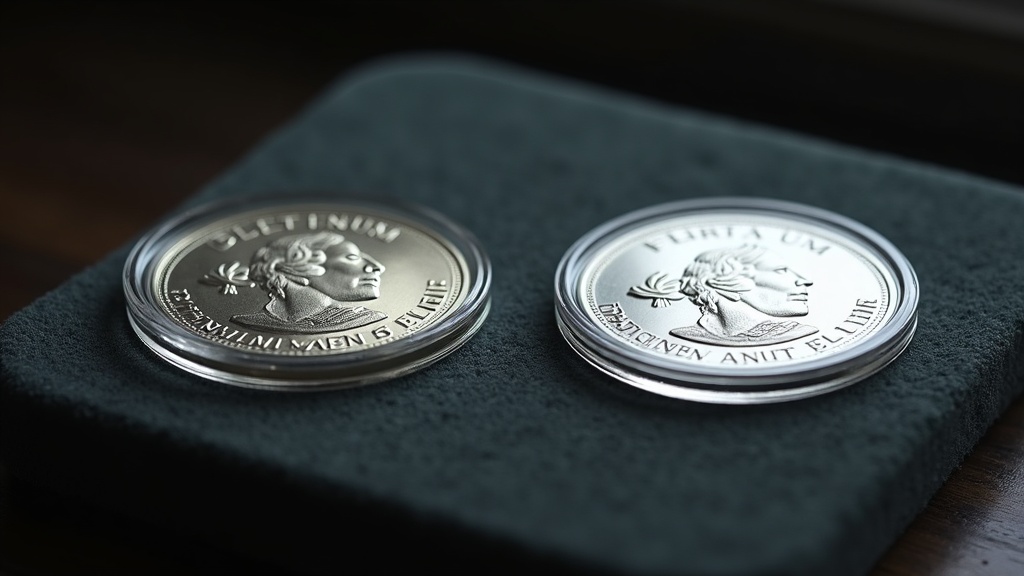
Common platinum and palladium bullion coins
Several national mints produce platinum and palladium coins alongside their better-known gold and silver bullion lines. Recognizable examples include:
- American Platinum Eagle — struck by the United States Mint in .9995 fine platinum, first issued in the early 1990s as a companion to the gold and silver eagle programs.
- Canadian Platinum Maple Leaf — produced by the Royal Canadian Mint in .9995 fine platinum, sharing design lineage with the well-known Canadian Maple Leaf bullion coin series struck in gold and silver.
- Canadian Palladium Maple Leaf — the palladium counterpart, also .9995 fine, issued periodically depending on mint production schedules.
- Australian Platinum Platypus — issued by the Perth Mint with a changing reverse design in some years.
- Isle of Man Noble — one of the earliest modern platinum bullion coins, first struck in the 1980s.
Palladium coins have historically been produced in smaller numbers and less consistently than platinum or gold, since the underlying refined metal itself has been harder for mints to source reliably at times. That has made some palladium coin issues more sporadic, with production sometimes paused or resumed as market conditions and metal availability change.
Purity and how these coins are struck
Most platinum and palladium bullion coins are struck at very high fineness, commonly .9995, meaning they are almost entirely pure metal with only trace elements. This is comparable to how gold bullion coins are described using karats or decimal fineness, a topic covered in more depth in the piece on gold purity, karats, and fineness. Unlike some gold coins, which are sometimes alloyed with copper or silver for added durability, platinum and palladium bullion issues are generally kept close to pure metal because the metals themselves are naturally quite hard and wear-resistant.
Weight is usually stated in troy ounces, matching the convention used across the bullion world. A coin’s total weight and purity, stamped or certified by the issuing mint, are what allow its metal content to be calculated — but the coin’s actual market price also reflects the mint’s production costs, distributor markups, and prevailing supply and demand, not metal content alone.
Coins versus bars for these metals
Platinum and palladium are also available as bars and rounds from private mints and refiners, not just as government-issued coins. The general tradeoffs between coin and bar formats — recognizability, ease of resale, premium levels, and legal-tender status — are similar across all bullion metals, and the article on bullion coins versus bars covers those distinctions in detail. Government-minted coins typically carry a face value and are backed by a sovereign mint’s guarantee of weight and purity, which some buyers find reassuring, though that guarantee does not eliminate normal market price movement.
Storage, liquidity, and market considerations
Because the platinum and palladium markets are smaller than gold’s, not every local coin shop or dealer stocks these coins regularly, and resale options can be more limited depending on where you live. It’s worth checking with more than one source before assuming a particular coin is easy to buy or sell locally. As with any bullion purchase, storage matters: platinum and palladium coins should be kept in protective capsules or holders to avoid surface marks, since even minor scratches can affect how a coin is perceived at resale, separate from its metal content.
If you’re exploring precious metals more broadly, the precious metals and bullion section of this site includes related guides on gold and silver coins that share many of the same underlying concepts — spot pricing, purity marks, and the difference between collectible and bullion value. Well-known gold bullion programs like the American Gold Eagle are a useful point of comparison, since platinum and palladium bullion coins from the same mints often follow parallel specifications and design conventions.
A note on sales pressure
Platinum and palladium are sometimes marketed with urgency — claims about looming shortages, industrial demand spikes, or currency instability. Legitimate mints and reputable dealers present specifications, current spot pricing, and buy-back policies plainly, without high-pressure tactics or a countdown-clock sense of urgency. If a seller is pushing you to decide quickly, framing the purchase as a rare opportunity, or discouraging you from getting a second opinion, that’s worth treating as a caution sign. Before any large purchase, it’s reasonable to get an independent appraisal or check a live spot price from a reputable, established source, and to talk to more than one dealer.
Frequently asked questions about platinum and palladium bullion coins
Are platinum and palladium coins a good investment?
Whether any bullion purchase fits your goals depends on your own financial situation, and that’s a decision for you and a licensed financial advisor, not something this article can answer. What we can say is how these coins are priced, struck, and traded — the rest is a personal financial decision.
What’s the difference between platinum and palladium bullion coins?
Both are sold mainly for metal content and struck by national mints at high purity, but palladium coins have historically been produced less consistently, and each metal responds differently to industrial demand, particularly from the automotive sector’s use in catalytic converters.
How can I tell if a platinum or palladium coin is genuine?
Check the coin’s weight, dimensions, and fineness markings against official mint specifications, buy from an established source, and consider a professional authentication or appraisal if you have doubts — genuine mint coins are consistent in weight and diameter.
Why are palladium coins harder to find than platinum or gold coins?
Palladium’s global refined supply has at times been less predictable than platinum’s or gold’s, and some mints have paused or scaled back palladium coin production in response, making certain issues less consistently available in the retail market.
Do platinum and palladium coins hold their purity marking for resale?
Yes — the fineness stamped by the issuing mint (commonly .9995) is a permanent specification of the coin, though a dealer or grading service may still want to verify condition and authenticity before a purchase or sale.
Gold Coins Today publishes general information about coin collecting and precious metals, not financial, investment, tax or legal advice. We are writers and editors, not certified numismatists, appraisers, financial advisors or dealers. Coin and bullion values change constantly and depend on condition, authenticity and the current market — get a current appraisal or spot price from a qualified, reputable source before buying or selling, and consult a licensed financial advisor before treating precious metals as part of an investment strategy.