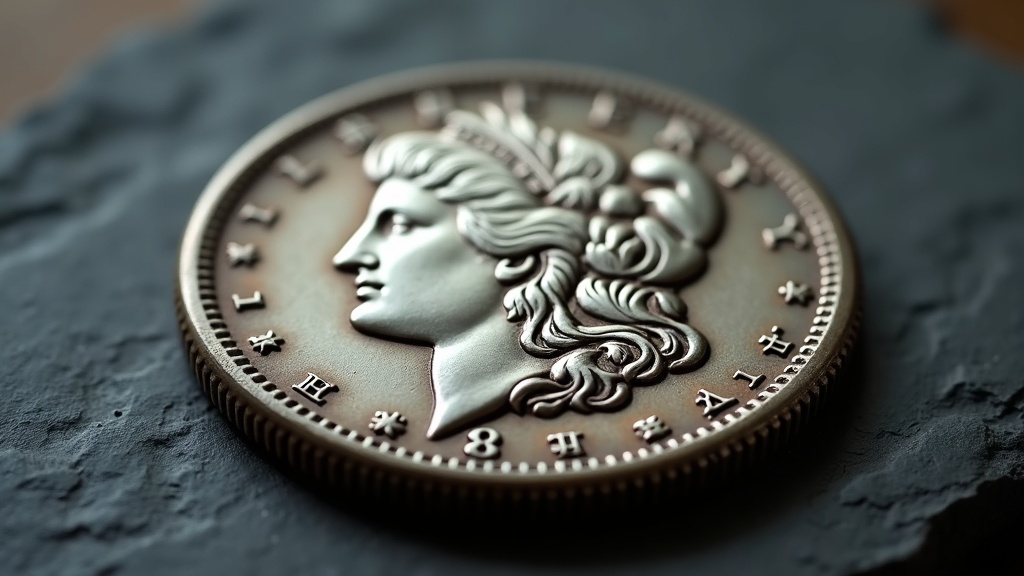
“Draped Bust” refers to a family of United States coin designs struck roughly between 1795 and 1808, featuring an image of Liberty with her hair tied back and a fabric drape across her shoulder, engraved by Robert Scot after a sketch attributed to the painter Gilbert Stuart. It appeared on nearly every denomination the young US Mint produced at the time, from the half cent to the silver dollar, making it one of the defining looks of early American coinage. Collectors value these coins for their historical significance, hand-struck imperfections, and the genuine scarcity of surviving examples in higher condition.
Where Draped Bust fits in early US Mint history
The US Mint began striking coins in Philadelphia in 1792, and its first regular silver and copper designs are known today as Flowing Hair coinage. That original design lasted only a few years before the Mint adopted the Draped Bust obverse starting in 1795, first appearing on the silver dollar and half dollar. Over the following years the design was gradually extended to half dimes, dimes, quarters, and the copper half cent and cent, though not every denomination changed in the same year, and some denominations weren’t struck every year at all during this period. If you want the broader timeline of how American coin designs evolved decade by decade, the US coins and history section is a useful starting point before drilling into any single series.
The Draped Bust era gave way to the Capped Bust design in the early 1800s to 1810s, depending on denomination, as the Mint continued to experiment with engraving styles and striking equipment. Coins from this transitional period are often grouped together by collectors interested in the earliest decades of federal coinage, sometimes called “early American” or “early US type” coins as a broad category distinct from the later, more standardized 19th century series.
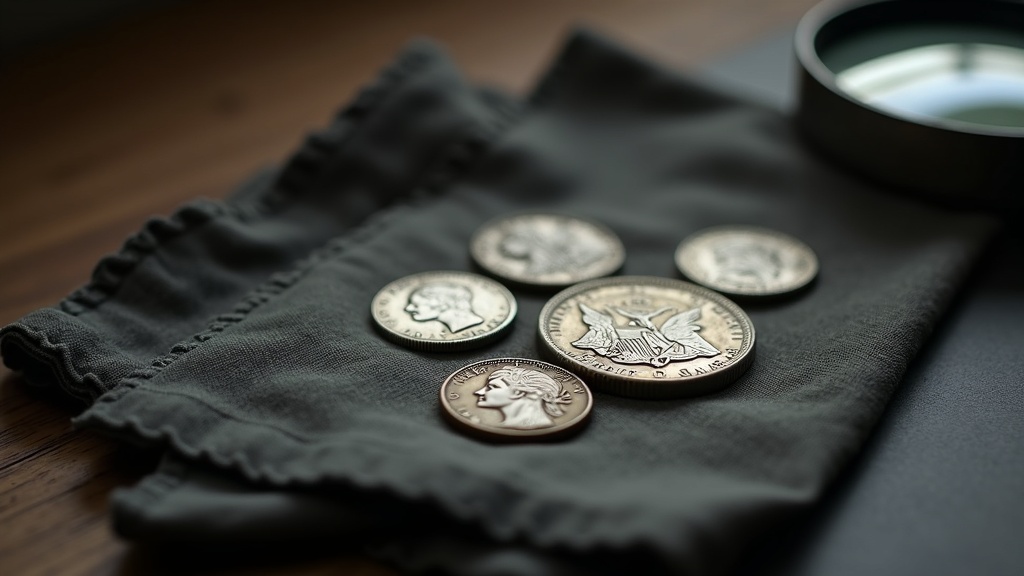
Two reverse styles worth knowing
Draped Bust coins are generally split into two reverse types, and recognizing the difference is one of the first things a beginner learns when identifying a coin from this era.
- Small Eagle reverse — used first, this design shows a small, somewhat delicate eagle perched on a cloud or branch, without a shield or arrows. It has a more decorative, less “official” look than what came after.
- Heraldic Eagle reverse — introduced a few years later, this replaced the small eagle with a larger eagle holding a shield, arrows, and an olive branch, along with a scroll bearing a national motto. This heraldic style became the template for eagle reverses used on US coinage for generations afterward.
Because both reverse types can appear across multiple years and denominations, the specific combination of obverse design, reverse type, denomination, and date matters a great deal to how a given coin is described and cataloged. Learning this kind of vocabulary is covered in more depth in a beginner’s guide to coin collecting terminology, which is worth reading before spending much time with early US series.
Why condition and originality are especially tricky here
Coins from this period were struck on screw presses operated largely by hand, using dies and planchets that were far less consistent than modern minting technology allows. As a result, it’s common to see somewhat weak strikes, adjustment marks (file marks made to correct planchet weight before striking), and other quirks that wouldn’t be considered defects by the standards of the day but do affect how a coin grades now. Distinguishing genuine strike weakness or wear from actual damage, cleaning, or alteration takes practice, which is why guidance on how to tell if a coin has been cleaned is especially relevant to anyone examining coins from this era rather than something limited to modern collectibles.
Because early coinage predates the widespread third-party grading infrastructure that exists today, and because survival rates in higher grades are genuinely low for many issues, these coins are graded using the same numerical scale used across US numismatics. If the mechanics of that scale are unfamiliar, the Sheldon coin grading scale explains how the 1-to-70 system works and why two coins of the same date and design can be described so differently depending on wear, strike quality, and surface preservation.
Rarity, key dates, and why not all early coins are equally scarce
Within any given Draped Bust denomination, some dates or die varieties are dramatically harder to find than others, whether because of low original mintage, a low survival rate, or both. This unevenness is exactly what the concept of a key date coin is meant to describe — a specific date or variety within a series that collectors treat as meaningfully scarcer and more sought after than its neighbors, independent of the coin’s condition. Early American coinage is full of these distinctions, and it’s one reason generic statements about “what an old coin is worth” are unreliable without knowing the exact date, mint, and condition involved.
Because Draped Bust and other early US coins sit at the intersection of genuine historical scarcity and strong collector demand, they also attract more counterfeits, altered dates, and misrepresented condition than most modern series. A reasonable step before any significant purchase is a second opinion from an independent source, and it’s worth remembering that legitimate dealers and grading services don’t need high-pressure tactics or urgency framing to make a sale — if you feel rushed, that alone is worth pausing over.
How this fits into a broader collection
Most people don’t start a coin collection with Draped Bust material, simply because entry-level examples in worn condition can still represent a meaningful outlay compared to more common series. If you’re newer to the hobby, it often makes sense to build foundational knowledge with more accessible series first — the coin basics and identification hub and a guide on how to start a coin collection from scratch are both reasonable places to build that footing before pursuing early federal coinage specifically.
For readers who want an official overview of Mint history, the US Mint’s own history pages and the numismatic resources published by the American Numismatic Association are good places to cross-check dates, mint locations, and design changes described here.
Frequently asked questions about Draped Bust coinage
What years were Draped Bust coins made?
Draped Bust designs were used roughly from 1795 through the early 1800s, with the exact ending year varying by denomination since half cents, cents, half dimes, dimes, quarters, half dollars, and dollars didn’t all switch designs at the same time.
How do I tell a Small Eagle from a Heraldic Eagle Draped Bust coin?
Look at the reverse: a Small Eagle shows a slim eagle perched on a branch or cloud with no shield, while a Heraldic Eagle shows a larger eagle holding a shield, arrows, and an olive branch beneath a motto scroll, a design later reused on many 19th century coins.
Are Draped Bust coins rare?
Some dates and varieties are genuinely scarce due to low original mintages and poor survival over more than two centuries, while others are more available, so rarity depends entirely on the specific date, denomination, and condition rather than the design type alone.
Why do Draped Bust coins often look worn or irregular even in early grades?
These coins were struck by hand-operated screw presses on planchets that were sometimes filed for weight, which can create adjustment marks, uneven strikes, or soft details that aren’t necessarily damage but do affect how the coin is graded today.
Where can I get a Draped Bust coin authenticated or appraised?
A reputable third-party grading service or an experienced, independent numismatic professional can authenticate and evaluate condition; getting a second opinion before a significant purchase is a reasonable step given how often early coinage is counterfeited or misrepresented.
Gold Coins Today publishes general information about coin collecting and precious metals, not financial, investment, tax or legal advice. We are writers and editors, not certified numismatists, appraisers, financial advisors or dealers. Coin and bullion values change constantly and depend on condition, authenticity and the current market — get a current appraisal or spot price from a qualified, reputable source before buying or selling, and consult a licensed financial advisor before treating precious metals as part of an investment strategy.