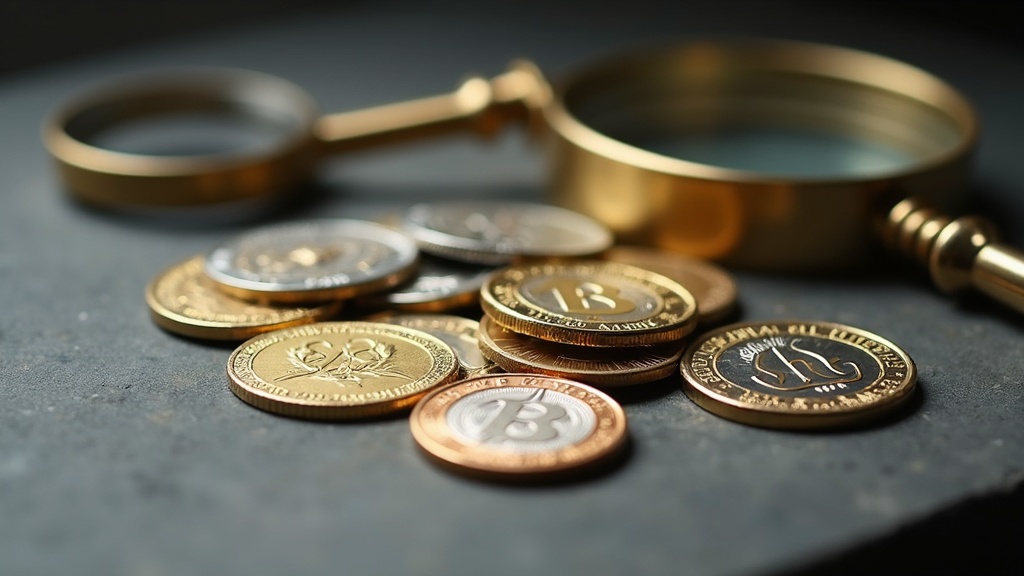
Before buying coins online, verify the seller’s reputation and return policy, look closely at photos and listed specifications, understand what’s actually driving the price, and confirm how authenticity is guaranteed. Online buying can be convenient and offer more selection than a local shop, but it also removes the chance to physically examine a coin before paying, which shifts more responsibility onto you to vet the source.
Whether you’re browsing an auction site, a dealer’s storefront, or a marketplace app, the fundamentals don’t change much from buying in person — you’re still assessing authenticity, condition, and fair pricing. What changes is the tools you have available to do that assessment, and the pace at which decisions get made.
Start with the seller, not the coin
A listing can look perfect and still be a poor purchase if the seller has a history of misrepresenting items, slow refunds, or vague return terms. Before focusing on any individual coin, spend time on the seller’s feedback history, how long they’ve been active, and whether they belong to any recognized numismatic trade organizations. Our guide on how to evaluate a coin dealer’s reputation covers the practical signals worth checking, and the same logic applies whether the dealer operates a physical shop or sells exclusively online.
If you’re new to buying from dealers in general, it also helps to review questions to ask before buying from a coin dealer — many of those questions translate directly into things to look for in an online listing description, such as return windows, grading claims, and whether the coin has been cleaned or altered.
Read photos and descriptions like a skeptic
Online, photographs are your only substitute for holding the coin. A trustworthy listing usually includes multiple high-resolution images from different angles, including the edge, and close-ups of any wear, marks, or toning. Be cautious of listings with a single blurry photo, heavy filters, or stock images that don’t match the described item.
Pay attention to the specific language used. Terms like “AU,” “MS,” “proof,” or “uncirculated” carry particular meanings, and a seller who uses them loosely — or interchangeably with vaguer terms like “mint condition” — may not be describing the coin precisely. If grading terminology is unfamiliar, it’s worth reading a plain explanation of what coin grading means before relying on a seller’s claims about condition.
Know what’s driving the price
A coin’s price generally reflects some combination of its metal content, rarity, condition, and collector demand — not just its face value or size. Bullion coins tend to track the metal market fairly closely with an added premium, while collectible or historic coins can carry additional value tied to scarcity and demand that has little to do with the metal itself. Understanding what a numismatic premium is and why it exists helps explain why two coins with identical metal content can be priced very differently. If you’re specifically looking at bullion, it also helps to understand what determines a coin’s melt value so you can separate the metal-based portion of a price from any collectible premium.
Rather than relying on a listing’s asking price alone, check a live spot price from a reputable source and compare several current listings for similar items before forming an opinion on whether a price seems reasonable for that specific coin’s condition and rarity.
Authentication and grading matter more, not less, online
When you can’t handle a coin yourself, third-party authentication becomes more important. Coins that have been independently graded and encapsulated by an established grading service carry a level of verification that a raw (ungraded) coin photographed online simply cannot match on its own. It’s worth understanding what grading services actually do so you know what that certification does and doesn’t confirm — grading addresses authenticity and condition, not future value.
For raw coins, especially bullion or common gold and silver pieces, basic checks around weight, dimensions, and design details can help flag obvious problems, and our overview of how to tell real gold from fake walks through some of those basic methods. None of these checks substitute for a professional appraisal, particularly for a significant purchase, but they can help you ask better questions before you buy.
Watch for pressure tactics
Legitimate coin and bullion sellers, online or off, generally don’t need to rush you into a decision. Be cautious of listings or sales messages built around urgency — “price locked for the next hour,” dramatic claims about currency collapse, or aggressive pushes toward a particular product like a gold IRA. These tactics are common in this space precisely because they work on people who feel they might miss out. A reputable seller will answer questions clearly and won’t discourage you from getting a second opinion or an independent appraisal before a large purchase.
Compare listing formats before you commit
Online coins are sold through several different formats, and each carries different risks and protections.
- Fixed-price listings from dealers or marketplaces, which often include clearer return policies but may carry higher premiums.
- Timed or live auctions, where prices are determined by competitive bidding and buyer’s premiums apply on top of the hammer price.
- Peer-to-peer marketplaces, which can offer lower prices but typically have the weakest buyer protections and least verification.
If you’re new to the auction format specifically, our guide to how coin auctions work for beginners explains bidding mechanics, buyer’s premiums, and what happens after a winning bid — all of which apply whether the auction is held in a physical room or entirely online.
Practical checks before you click “buy”
- Confirm the seller’s return and refund policy in writing, including who pays return shipping.
- Check whether the coin is independently graded or raw, and what that distinction means for the price.
- Compare the asking price against several similar current listings, not just one.
- Look for complete, unedited photos from multiple angles, including the edge.
- Confirm how the item will be shipped and insured, and whether tracking is included.
- Save all listing details, photos, and correspondence in case a dispute arises later.
These steps apply whether you’re buying a modern bullion piece or something with more historical context, such as items covered in our US coins and history archive or the broader world of world and ancient coins. If your interest leans toward bullion specifically, the precious metals and bullion section walks through purity standards, coin sizes, and mint processes that are useful context before comparing online listings.
When to slow down
Any time a purchase involves a meaningful amount of money, it’s reasonable to pause, gather a second opinion, and confirm details independently rather than relying solely on a seller’s description — this is standard practice among careful buyers, not a sign of distrust. For readers newer to the hobby generally, our broader buying and selling archive and coin basics and identification archive cover foundational topics like grading abbreviations, terminology, and how to spot altered or cleaned coins, all of which make it easier to evaluate an online listing with confidence.
Frequently asked questions about buying coins online
Is it safe to buy coins online?
Buying coins online can be reasonably safe when you deal with an established, verifiable seller, review their return policy, and confirm whether the coin is independently graded. Risk increases with unverified private sellers, vague listings, and payment methods that offer no buyer protection.
How do I know if an online coin dealer is legitimate?
Check how long they’ve operated, look for consistent customer feedback over time, confirm membership in recognized numismatic organizations, and see whether they clearly disclose grading, condition, and return terms. Vague answers to direct questions are a warning sign.
What’s the difference between graded and raw coins when buying online?
A graded coin has been examined and encapsulated by an independent grading service, which verifies authenticity and assigns a condition grade. A raw coin has not been through that process, so its condition and authenticity rely more heavily on the seller’s description and photos.
Can I return a coin bought online if it’s not as described?
Return eligibility depends entirely on the seller’s stated policy, so confirm it before purchasing. Reputable sellers typically allow returns within a defined window if the coin doesn’t match its description, but marketplace and peer-to-peer sales often offer far less recourse.
Should I buy coins on auction sites or from a dealer’s website?
Each has trade-offs: dealer sites often provide clearer descriptions and return policies, while auctions can offer competitive pricing but add buyer’s premiums and less predictable final costs. Comparing formats and reading each platform’s terms carefully matters more than picking one format as universally better.
Gold Coins Today publishes general information about coin collecting and precious metals, not financial, investment, tax or legal advice. We are writers and editors, not certified numismatists, appraisers, financial advisors or dealers. Coin and bullion values change constantly and depend on condition, authenticity and the current market — get a current appraisal or spot price from a qualified, reputable source before buying or selling, and consult a licensed financial advisor before treating precious metals as part of an investment strategy.