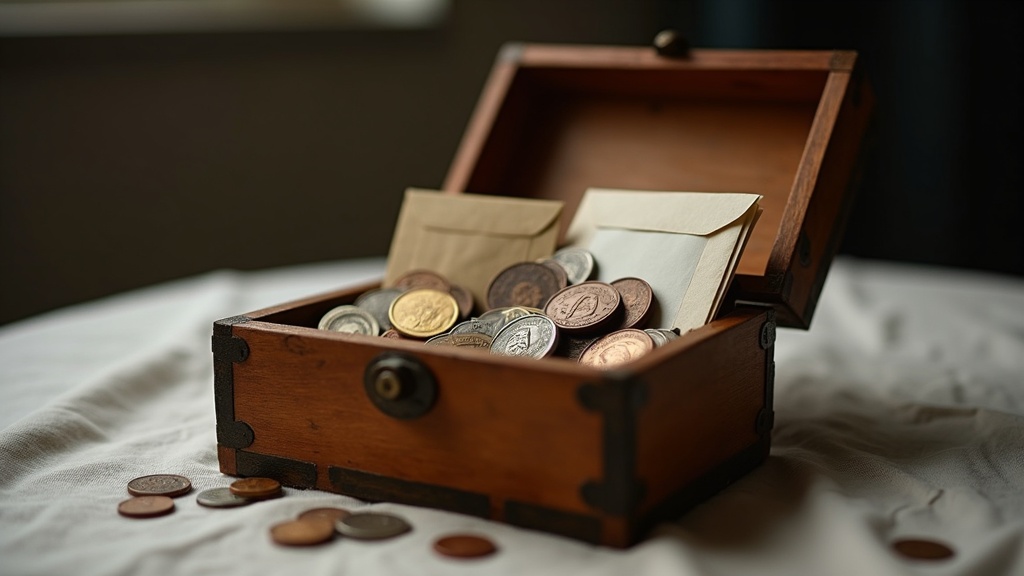
Inherited coin collections are typically handled by first sorting them apart from ordinary household items, then having someone knowledgeable separate bullion, common coins, and potentially rare or historic pieces before any sale decision is made. Executors or family members usually get an appraisal or a dealer’s opinion before an estate sale, auction, or private sale takes place. The process is slower and more careful than most people expect, largely because misidentifying a coin can mean losing significant value in a single quick transaction.
Why inherited collections are handled differently than other estate items
Furniture, dishware, and tools are generally priced by general condition and demand. Coins are different because their value can hinge on small details — a mint mark, a date, a specific strike, or subtle wear pattern — that an untrained eye will not notice. A jar of coins might contain a mix of common circulated pieces, a handful of 90% silver coins, and possibly one or two coins with genuine collector interest. Estate handlers who deal with coins regularly know to slow down at this stage rather than lump everything into a single “box lot” sale, which is one of the most common ways families unintentionally give away value.
Because of this, most reputable estate processes separate coins from the general household sale early, even before pricing furniture or appliances. That separation is really the first meaningful decision point in the whole process.
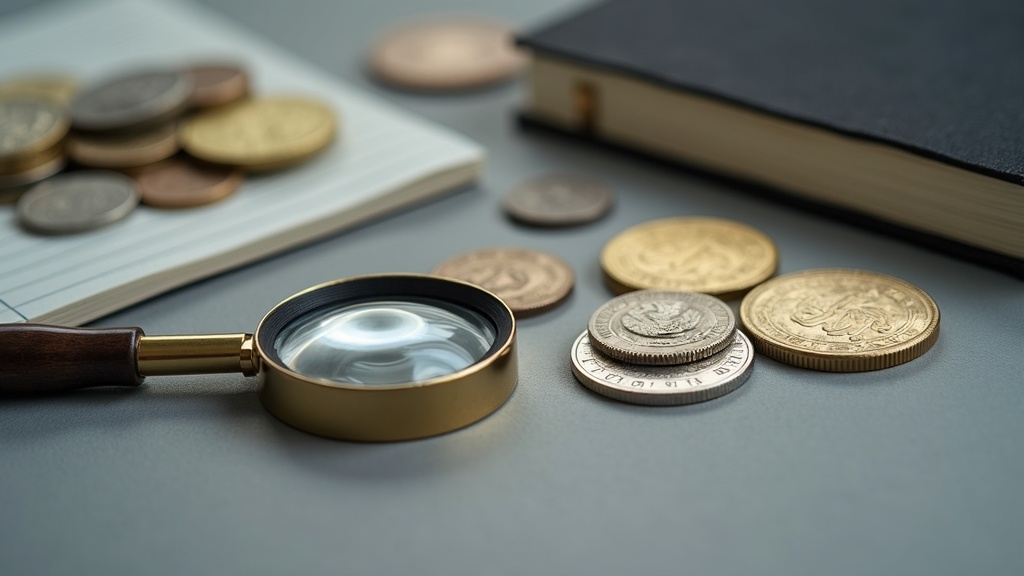
Typical steps in handling an inherited collection
- Initial sorting. Coins get grouped by rough category — common circulated coins, silver or gold bullion pieces, foreign coins, and anything that looks old, unusual, or accompanied by paperwork.
- Documentation review. Any envelopes, holders, certificates, auction receipts, or handwritten notes left by the original collector are kept with the coins they describe. These notes often hint at what the original owner believed they had, though they are not proof of authenticity or grade on their own — a distinction covered in more depth in our piece on what certificates of authenticity actually prove.
- Identification. Someone works through dates, mint marks, and basic types. This is where understanding how to read the date and mint mark on a US coin becomes useful, since it’s the starting point for figuring out which coins are common and which might warrant closer attention.
- Separating bullion from numismatic material. Coins valued mainly for their metal content are treated differently from coins with collector demand tied to rarity or condition. Understanding what determines a coin’s melt value helps explain why two similar-looking coins can be handled in very different ways.
- Appraisal or dealer review. Before anything is sold, most careful executors get at least one outside opinion, and often a second for anything that looks potentially significant.
- Decision on sale method. Depending on what’s found, the coins may go to a local dealer, a coin show, an auction house, or occasionally stay within the family.
Sorting bullion from collector coins
One of the more practical early tasks is separating coins that are essentially raw precious metal from coins whose value comes from scarcity, historical significance, or condition. Older US coins struck in 90% silver, sometimes called junk silver, are a common find in inherited collections, and their handling is different from a coin with genuine numismatic premium. If a collection includes bullion-format coins like American Eagles, Krugerrands, or Maple Leafs, it helps to understand common bullion coin sizes and how they’re typically weighed and assessed, since these are usually valued primarily against current metal pricing rather than collector demand.
By contrast, older US coin series — wheat cents, Morgan dollars, Mercury dimes, and similar — sometimes carry a numismatic premium above their metal content, particularly in higher condition or for certain dates. This is why identification has to happen before any pricing conversation, not after.
Getting the collection appraised
A neutral appraisal is generally the most important single step in this process. Because family members are emotionally close to inherited items and often don’t know what the original collector actually had, an outside opinion helps set realistic expectations before anything is sold. Our guide on how to prepare a coin collection for sale or appraisal walks through what to gather and how appraisals are typically structured.
It’s worth being cautious here: this is an area where people sometimes encounter high-pressure sales tactics, especially if a “free appraisal” turns into a pitch to sell immediately or roll proceeds into a specific product. A legitimate appraiser or dealer will explain their reasoning, won’t rush a decision, and won’t discourage a second opinion. If someone pushes urgency, discourages you from getting another opinion, or frames the coins as part of a larger financial pitch, that’s a signal to slow down, not speed up.
How the sale itself typically proceeds
Once a collection has been sorted and appraised, families generally choose between a few common paths:
- Selling to a local or regional dealer in a direct transaction, often after checking how to evaluate a coin dealer’s reputation.
- Consigning to an auction, particularly for coins with genuine rarity or strong collector demand, where understanding how coin auctions work helps set realistic expectations about timing and fees.
- Selling as part of a broader estate sale, usually reserved for lower-value common coins once anything potentially significant has already been pulled aside.
- Keeping some or all of the collection, which is common when coins carry family history or when heirs want time to learn more before deciding anything.
Whichever route is chosen, it helps to ask the same kinds of questions you’d ask before buying from a coin dealer — how pricing is determined, what documentation will be provided, and how any buyback or return terms work — since sellers benefit from the same clarity buyers do.
Common mistakes families make with inherited collections
Several patterns show up repeatedly in inherited-collection situations. Coins get cleaned in an attempt to make them look nicer, which can actually reduce value — a topic explored in our general coin-basics coverage in the coin basics and identification archive. Collections get sold as one undifferentiated lot without separating bullion from potentially rare pieces. Or the opposite happens: everything gets treated as precious and held indefinitely out of uncertainty, without ever getting a straightforward appraisal that would clarify what’s actually there.
Reading up on general categories — US coin history, world and ancient coins, or precious metals basics — can help heirs get oriented before they even talk to a dealer. The US coins and history archive and the precious metals and bullion archive are reasonable starting points if the collection includes older American coinage or bullion-format pieces respectively, and the buying and selling archive covers the transaction side once identification is done.
Frequently asked questions about inherited coin collections
What should I do first if I inherit a coin collection?
Start by keeping the coins separate from other estate items, preserving any notes or paperwork left with them, and avoiding cleaning or handling coins more than necessary until you’ve had them looked at by someone knowledgeable, ideally for a general appraisal before any sale decision.
How do I know if inherited coins are valuable?
Value depends on factors like rarity, condition, metal content, and current market demand, none of which can be judged accurately just by looking at a coin. A qualified appraisal or a reputable dealer’s opinion is the realistic way to find out, rather than guessing from online searches alone.
Should I clean inherited coins before selling them?
Generally no. Cleaning can remove original surfaces and actually lower a coin’s value to collectors, even if it makes the coin look shinier. It’s usually better to leave coins as found and let an appraiser assess their original condition.
Do I need to get an inherited collection appraised before selling?
It’s not legally required, but skipping an appraisal makes it much easier to undersell coins that have collector value beyond their metal content. Getting at least one, and ideally a second opinion for anything significant, is a reasonable step before agreeing to any sale.
Can I sell inherited coins directly to a dealer instead of an auction?
Yes, direct sales to dealers are common and often faster than auction consignment, though auctions can suit rarer or higher-demand coins better. The right choice depends on what’s in the collection, and comparing a dealer’s reputation and terms beforehand is a reasonable precaution either way.
Gold Coins Today publishes general information about coin collecting and precious metals, not financial, investment, tax or legal advice. We are writers and editors, not certified numismatists, appraisers, financial advisors or dealers. Coin and bullion values change constantly and depend on condition, authenticity and the current market — get a current appraisal or spot price from a qualified, reputable source before buying or selling, and consult a licensed financial advisor before treating precious metals as part of an investment strategy.