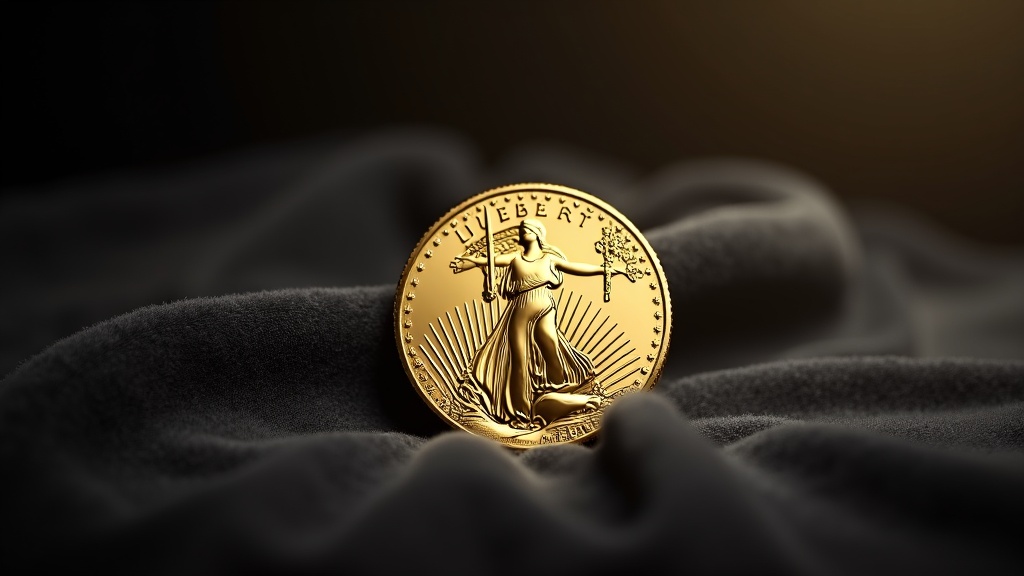
The 1933 Double Eagle is a $20 gold coin that was struck by the US Mint but never legally released into circulation, because the country abandoned the gold standard the same year it was made. Almost the entire mintage was melted down, yet a small number escaped the melting pot through channels the government considered theft. Those surviving coins became the subject of a decades-long legal saga involving a king, a Secret Service sting, and a family’s inherited coin collection.
A coin born at the wrong moment
The Double Eagle design itself dates back to 1907, when sculptor Augustus Saint-Gaudens created what many consider the most artistically ambitious coin in American history: a striding Lady Liberty on the obverse and a soaring eagle on the reverse. The series had been struck in gold for decades as part of the nation’s regular coinage, a topic covered in more depth in our overview of US coins and history.
In 1933, the Mint struck several hundred thousand Double Eagles dated that year, following ordinary production schedules. But that same year, in the depths of the Great Depression, President Franklin Roosevelt signed an executive order requiring citizens to turn in most gold coin and bullion to the government, effectively ending the era of gold circulating as everyday money. Because the 1933 Double Eagles were struck after the order took effect, they were never officially issued for circulation. Mint records indicate the vast majority were melted down into gold bars, a routine and unremarkable end for coins that had, technically, never entered public commerce. The broader shift away from gold coinage is part of the story told in our piece on the history of the US Mint.

How a handful escaped
Despite that melting, a small number of 1933 Double Eagles left the Mint before destruction. The exact mechanism has never been fully settled in public record, but investigators later concluded that a Mint cashier was involved in either exchanging or removing coins, and that some of them passed through a Philadelphia jeweler and dealer. From there, individual coins made their way into private hands and eventually into the coin market, where a few were sold to collectors who had no reason to suspect anything unusual, since the coins looked identical to any other Double Eagle of the era.
By the 1940s, the US Secret Service had identified several of these coins and began recovering them, treating them as government property that had never been legally released, similar in principle to how authorities today might treat stolen cultural property, a subject touched on in our overview of famous coin discoveries and hoards. Most known examples from that era were seized and destroyed or retained by the government. One notable exception managed to leave the country entirely.
The Farouk connection
In 1944, King Farouk of Egypt, an avid and wealthy collector, acquired a 1933 Double Eagle and applied for an export license to take it out of the United States. Through what was later described as a bureaucratic oversight, the license was granted before officials realized the coin’s origins were in question. By the time the Treasury Department flagged the error and asked for the coin’s return, it had already left the country and entered Farouk’s collection in Egypt.
The coin remained largely out of public view for decades. After Farouk was overthrown in 1952, his collection was dispersed, and the whereabouts of his 1933 Double Eagle became uncertain for many years before it resurfaced on the international coin market in the 1990s, prompting renewed attention from US authorities.
A sting, a settlement, and a legal coin
In 1996, a British coin dealer attempting to sell the Farouk specimen was intercepted in a sting operation conducted by the US Secret Service at a New York hotel, and the coin was seized. What followed was an extended legal dispute over whether the government could claim the coin outright or whether it had, through the decades of circulation and the original export license, become legitimately private property.
The case was ultimately settled rather than fully litigated to a verdict. Under the settlement, the US government agreed to “monetize” this single example, formally recognizing it as legal to own, while retaining a share of proceeds from any future sale. That coin was subsequently sold at public auction in 2002, an event widely covered by numismatic and mainstream press, and it remains the only 1933 Double Eagle the US government has ever formally recognized as lawfully owned by a private party. Readers interested in how such high-profile sales are structured can learn more in our guide to how coin auctions work.
The Langbord discovery and a second legal battle
The story did not end there. In 2003, the family of the Philadelphia jeweler connected to the coin’s original disappearance discovered ten additional 1933 Double Eagles among his estate. The family, known in court records as the Langbords, voluntarily submitted the coins to the government for authentication, expecting a negotiation similar to the Farouk settlement. Instead, the government seized the coins outright, arguing they had never been legally issued and therefore always remained government property.
A lengthy court battle followed, with rulings shifting between the family and the government at different stages of appeal. Courts eventually sided with the government, concluding that the ten coins had never been lawfully removed from the Mint and belonged to the United States. That litigation illustrates how ownership disputes over rare coins can hinge on documentation and chain of custody rather than a coin’s physical condition alone, a theme also relevant to modern buyers reviewing numismatic value versus bullion value before a purchase.
Why the story still matters to collectors
The 1933 Double Eagle saga is often cited as a cautionary tale about provenance. It shows that even a coin’s design, weight, and gold content don’t settle the question of what it’s actually worth or even who’s legally allowed to own it; documented history and legal status matter enormously. For anyone drawn to historically significant coins generally, it’s worth exploring how ownership records, auction history, and institutional recognition shape a coin’s standing, topics covered further in our collecting culture section. If a purchase or family collection ever hinges on a coin with an unusual or undocumented past, an independent review from a qualified, reputable source is a reasonable step before assuming anything about its legal standing or market status.
Frequently asked questions about the 1933 Double Eagle
Is it illegal to own a 1933 Double Eagle?
Generally yes, with one confirmed exception. The US government considers nearly all surviving 1933 Double Eagles to be government property that was never lawfully released, and courts have upheld seizures of examples found in private hands, aside from the single specimen formally monetized after a legal settlement.
How many 1933 Double Eagles exist today?
A small number are known to survive, most held by the US government, including examples tied to the Langbord family litigation, plus the single privately recognized Farouk specimen. Because the coin’s history involves seizures and legal disputes rather than a routine mintage record, exact surviving counts are not something we’ll state as a firm figure here.
Why was the 1933 Double Eagle never released into circulation?
The coins were struck in 1933, the same year the United States moved away from using gold coin as everyday circulating money. Because that policy shift happened before the coins were officially issued, the Mint melted almost the entire mintage rather than releasing it to banks or the public.
Where can I see a 1933 Double Eagle?
Examples have occasionally been displayed at major numismatic exhibitions and institutions, though most surviving specimens remain in government custody rather than on permanent public display. Checking directly with institutions such as the Smithsonian or major numismatic organizations is the most reliable way to confirm current exhibit availability.
What makes the 1933 Double Eagle so historically significant?
Its significance comes from the combination of an artistically celebrated design, a mintage that was never legally released, and a decades-long legal history involving royalty, a federal sting operation, and a landmark court case over property rights, making it one of the most documented ownership disputes in American numismatics.
Gold Coins Today publishes general information about coin collecting and precious metals, not financial, investment, tax or legal advice. We are writers and editors, not certified numismatists, appraisers, financial advisors or dealers. Coin and bullion values change constantly and depend on condition, authenticity and the current market — get a current appraisal or spot price from a qualified, reputable source before buying or selling, and consult a licensed financial advisor before treating precious metals as part of an investment strategy.