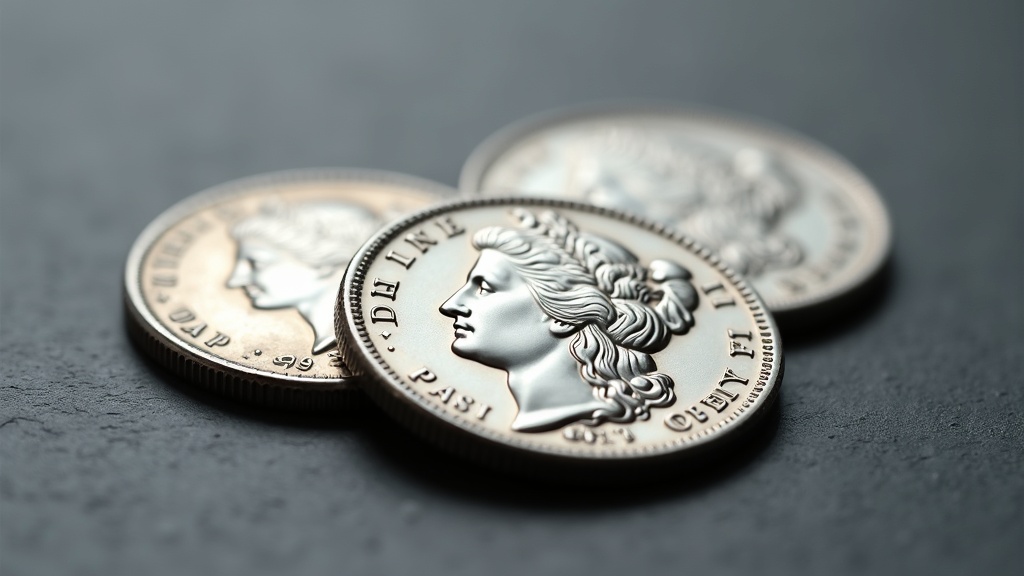
The Barber coinage series refers to the dime, quarter, and half dollar designed by U.S. Mint Chief Engraver Charles E. Barber and struck from 1892 to 1916. All three denominations share a common obverse portrait of Liberty wearing a Phrygian cap and laurel wreath, along with reverse designs specific to each coin, and all were struck in 90% silver. The series is popular with collectors today because it spans a busy era of American history and offers a long, affordable run of dates and mint marks to pursue.
How the Barber design came about
By the early 1890s, the Mint and various commentators felt the existing Seated Liberty designs, which had been in use for decades, looked dated. A public design competition was held, but none of the submitted entries were adopted. Chief Engraver Charles Barber was then tasked directly with creating new designs for the dime, quarter, and half dollar. His resulting Liberty Head obverse, sometimes called the “Barber Head,” became the shared face of all three denominations starting in 1892, replacing the Seated Liberty motifs.
The reverse designs differ by denomination: the dime carries a wreath encircling the denomination, the quarter and half dollar feature a heraldic eagle with a shield, similar in spirit to imagery used elsewhere in U.S. coinage of the period. If you’re comparing this era to other classic U.S. designs, the general background covered in our US coins and history archive is a useful starting point for context on how mint design choices evolved decade by decade.
Denominations and mintage span
All three Barber denominations were struck across the same general period:
- Barber dime: minted 1892 through 1916
- Barber quarter: minted 1892 through 1916
- Barber half dollar: minted 1892 through 1915
Coins were struck at multiple mint facilities during this window, including Philadelphia, New Orleans, Denver, and San Francisco, each identified by a mint mark (or the absence of one for Philadelphia issues prior to a certain point). Learning to locate and read that mark, along with the date, is one of the first practical skills for anyone working with this series, and our guide on how to read the date and mint mark on a US coin walks through where to look on coins of this general era.
Composition and physical specifications
Like most silver U.S. coinage of the period, Barber dimes, quarters, and half dollars were struck in a 90% silver, 10% copper alloy. The weight and diameter differ by denomination, which is expected since each coin was scaled to its face value. This composition is the same standard used in many other classic U.S. silver coins of the late 19th and early 20th centuries, including the later Walking Liberty half dollar and Morgan silver dollar, so if you’re already comparing coins from those series you’ll notice the alloy handles and wears in a similar way.
Why Barber coins wear the way they do
One thing collectors quickly notice about this series is that the design tends to show wear unevenly and sometimes deceptively. The high points on Liberty’s head and the wreath or eagle details on the reverse flatten relatively quickly with circulation, which means a coin that looks moderately worn at first glance may actually have seen a good deal of handling. This is part of why grading Barber coinage takes some practice, and why relying on general visual impressions alone can be misleading.
Understanding the standardized language used to describe wear helps here. Our explainer on what grade abbreviations like MS, AU, and XF actually mean is a good companion piece if you’re trying to make sense of how a Barber coin’s condition is typically described, and the broader piece on what coin grading actually means covers the underlying logic that graders and collectors apply across series, not just this one.
Key dates and mint marks within the series
As with most long-running series, Barber dimes, quarters, and half dollars include certain dates and mint mark combinations that are recognized by collectors as harder to find in the marketplace, generally because fewer were struck or fewer have survived in collectible condition. Rather than listing specific figures here, since mintage data and population estimates are best checked against a current, reputable reference rather than repeated from memory, it’s worth understanding the general concept first. Our guide on what a key date coin is and why it matters explains how these standout dates get identified and why they tend to command more attention from collectors, which applies directly to how people approach building a Barber set.
Building a set: things to watch for
Because the Liberty Head design wears down at the high points quickly, cleaned or artificially brightened Barber coins show up in the market more often than some collectors expect. A coin that has been polished or cleaned to look more attractive can actually lose value relative to an honestly worn example, since cleaning disturbs the original surface in ways that are visible to an experienced eye. If you’re new to spotting this, the piece on how to tell if a coin has been cleaned covers the visual cues to look for before assuming a shiny coin is simply well preserved.
A few other practical points worth keeping in mind when looking at Barber coinage:
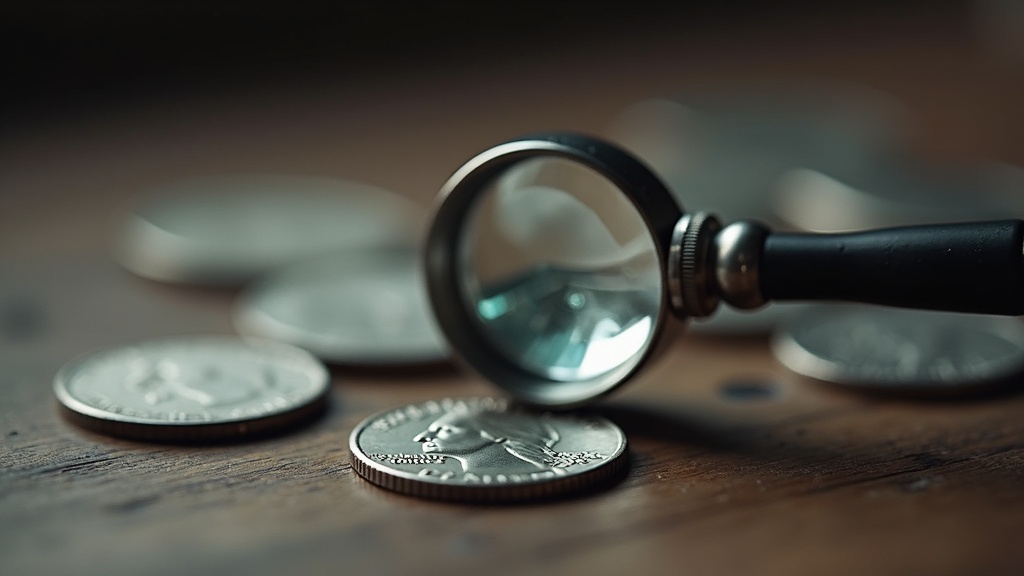
- Mint marks appear in a consistent location for each denomination, but the size and clarity can vary, so a loupe or magnifier helps confirm what you’re looking at.
- Because the design is shared across dime, quarter, and half dollar, familiarity with one denomination transfers reasonably well to the others.
- Full, sharp strikes on the finer details are less common than on some later series, which is part of what makes well-struck, well-preserved examples stand out to collectors.
If you’re just getting oriented with basic terminology used throughout this hobby, our beginner’s guide to coin collecting terminology is a useful reference to keep nearby while you read auction listings, dealer inventories, or grading service reports for Barber coins.
A note on pricing and pressure tactics
Barber coinage, like most classic U.S. silver, is sometimes used in sales pitches that emphasize urgency, scarcity, or the idea that silver coinage is a hedge against economic uncertainty. Legitimate dealers explain what they’re selling and why it’s priced the way it is without pressuring a quick decision. If you’re ever presented with high-pressure framing, or asked to act quickly on a “limited time” silver or gold offer, it’s entirely reasonable to step back, seek an independent appraisal, and get a second opinion before making a large purchase. Genuine numismatic value depends on documented condition, authenticity, and current market demand, not urgency created by a seller.
Frequently asked questions about the Barber coinage series
What years were Barber coins made?
Barber dimes and quarters were struck from 1892 through 1916, while the Barber half dollar was struck from 1892 through 1915. All three share the same Liberty Head obverse design created by Chief Engraver Charles E. Barber for the U.S. Mint.
What is Barber coinage made of?
Barber dimes, quarters, and half dollars were struck in the standard 90% silver, 10% copper alloy used for most U.S. silver coinage of that era, the same general composition later used in coins like the Walking Liberty half dollar and Morgan silver dollar.
Why do Barber coins look so worn even in decent grades?
The Liberty Head design has relatively high, exposed points on the portrait and wreath that flatten quickly with circulation, so Barber coins often show wear that can look more advanced than the coin’s actual grade, making careful comparison against grading standards important.
How do I find the mint mark on a Barber coin?
Mint marks on Barber coinage appear on the reverse, near the bottom edge below the wreath or eagle design, depending on denomination. A magnifier or loupe helps confirm faint or worn mint marks, and general guidance on locating dates and mint marks applies here as well.
Are Barber coins a good investment?
Whether any coin fits a person’s financial goals depends on individual circumstances, so that’s a question for a licensed financial advisor rather than a general coin article. What we can say is that condition, authenticity, rarity, and market demand are the main factors that drive collector interest and value in this series.
Gold Coins Today publishes general information about coin collecting and precious metals, not financial, investment, tax or legal advice. We are writers and editors, not certified numismatists, appraisers, financial advisors or dealers. Coin and bullion values change constantly and depend on condition, authenticity and the current market — get a current appraisal or spot price from a qualified, reputable source before buying or selling, and consult a licensed financial advisor before treating precious metals as part of an investment strategy.