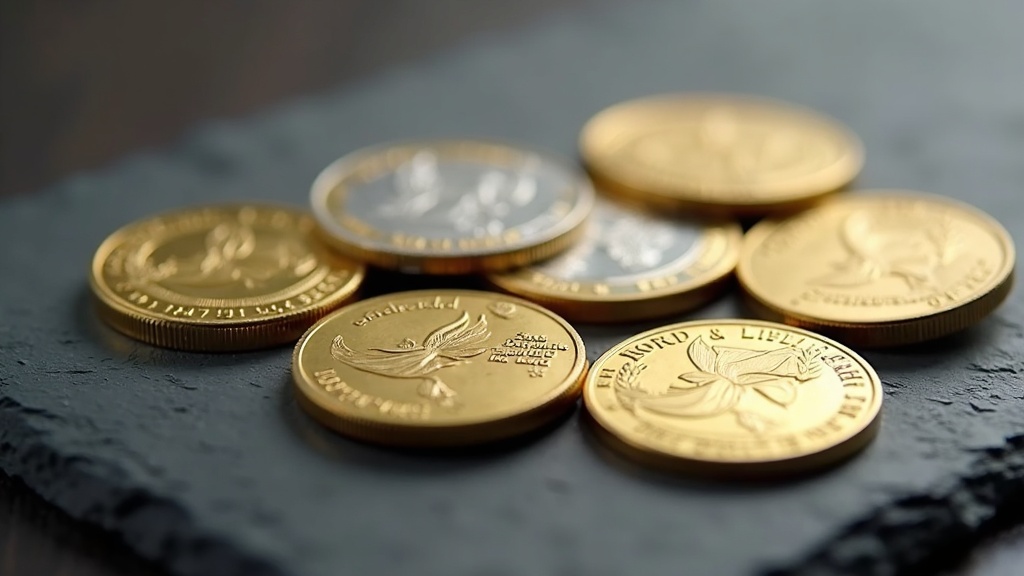
Commemorative coins from the US Mint are special legal-tender coins authorized by Congress to honor a person, place, institution, or historical event, typically produced in limited quantities for a limited time rather than for everyday circulation. They are struck in proof or uncirculated finishes, often in silver or gold, and sold directly by the Mint or through its distribution channels rather than found in pocket change. Because they are limited-run and often carry surcharges that fund related causes, they occupy a distinct category separate from both circulating coinage and bullion products like the American Silver Eagle or American Gold Eagle.
What makes a coin “commemorative”
Every US commemorative coin traces back to a specific act of Congress. Unlike circulating coins, which are struck indefinitely to meet the needs of commerce, a commemorative program has a defined mintage window and purpose, whether that’s marking an anniversary of a national institution, honoring a historical figure, or supporting a memorial. Once authorized, the Mint designs and strikes the coins, often in denominations not used for everyday transactions, such as a half dollar, silver dollar, or five-dollar gold piece intended purely for collectors rather than for spending at a register.
Congressional authorization typically limits both the mintage figure and the sales period, and it frequently directs that a portion of the price paid by buyers, called a surcharge, be passed along to a designated organization. That structure is part of what separates commemoratives from bullion coins, which are priced primarily to track metal content and market demand rather than to fund an outside cause.
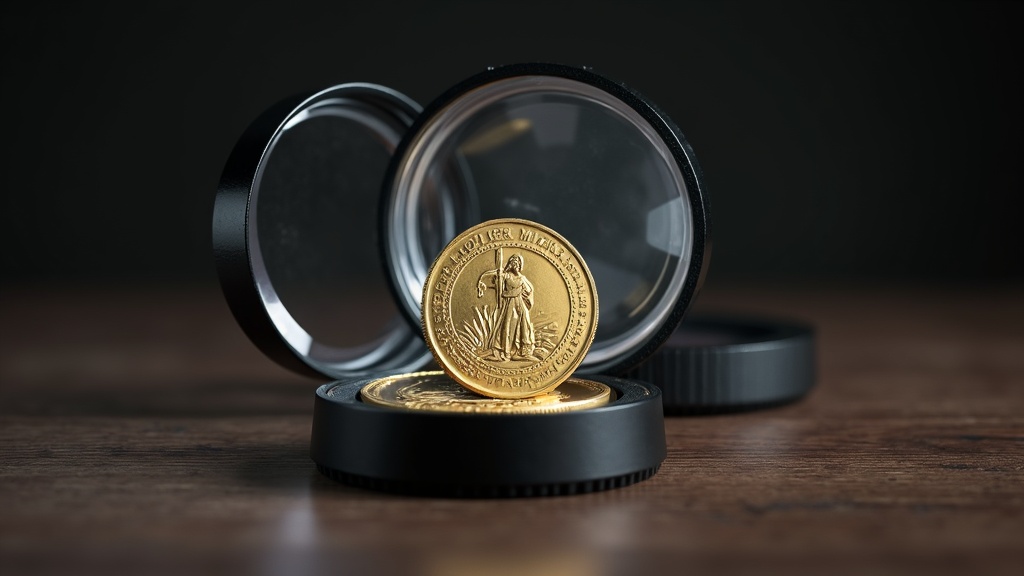
How commemoratives differ from bullion and circulating coins
It helps to think of US Mint output in three broad buckets. Circulating coins, the kind covered in our US Coins & History archive, are struck for use in commerce and can be found through normal transactions. Bullion coins, such as the American Silver Eagle or American Gold Eagle, are struck primarily as a way to own precious metal in coin form, with pricing that tracks the metal market. Commemorative coins sit apart from both: they are legal tender in theory, but almost none circulate, and their price at issue is set by the Mint to cover production costs, metal content, and the program’s surcharge, not simply to match spot metal price.
Because a commemorative coin’s issue price already includes that built-in surcharge and a collector premium, its price is rarely a direct reflection of melt value alone. Anyone weighing what a particular commemorative coin might be worth today should look at current, independent pricing resources or a professional appraisal rather than assuming the original issue price still applies.
Finishes: proof versus uncirculated
Most commemorative programs offer coins in two finishes. Proof coins are struck multiple times with specially polished dies and planchets, producing sharp relief against a mirror-like background, a process explained in more depth in our piece on proof coins versus business strikes. Uncirculated commemoratives use a single strike and a satin or frosted finish rather than the deep mirror look. Both finishes are intended for collectors, and neither is exposed to circulation, so the distinction is about the manufacturing process and appearance rather than about which is “better.”
A brief look at the modern commemorative program
The modern era of US commemorative coinage effectively restarted in the early 1980s after a long gap, and Congress has authorized programs at a steady pace since. Subjects have ranged from Olympic Games and World’s Fairs to national parks, military branches, and notable historical figures. Congress generally limits the Mint to a small number of new commemorative programs each year, partly to keep the category meaningful and to avoid oversaturating collectors with too many releases at once.
Unlike the ongoing America the Beautiful and State Quarters series, which are circulating designs covered in our guide to state quarters, commemorative coins are one-off or short programs tied to a specific authorization rather than an open-ended circulating series.
Common denominations and metals
Commemorative coins are typically struck in one or more of these formats:
- Half dollar — usually clad or copper-nickel composition, the most affordable entry point in a given program.
- Silver dollar — struck in .900 or .999 fine silver depending on the program’s authorizing legislation.
- Five-dollar gold piece — typically struck in 90% gold alloy, though exact specifications vary by program.
- Occasional multi-coin sets pairing two or more denominations, sometimes with a special packaging or a matching set from another country’s mint.
Because specifications have varied across decades and programs, anyone examining a specific coin should confirm its exact composition and mintage from the US Mint’s own program documentation rather than assuming it matches another commemorative issue.
What determines a commemorative coin’s collector value
As with any collectible coin, several factors interact to shape value, and none of them can be reduced to a single reliable number without a current, independent look at the coin itself and the market:
- Condition and grade — a coin’s surfaces, strike quality, and any handling marks matter enormously, which is why third-party grading exists; our overview of what grading services actually do explains the process.
- Mintage and survival rate — commemorative programs often report modest mintages, but low mintage alone doesn’t guarantee scarcity in top condition; population data, discussed in our article on how coin population reports work, offers more useful context.
- Original packaging and paperwork — original Mint boxes, certificates of authenticity, and capsules can matter to collectors and are worth preserving.
- Metal content — for silver and gold issues, the underlying metal contributes a baseline, but the collector premium above that baseline depends on demand for the specific design and finish.
- Market demand — interest in a given commemorative’s subject matter can shift over time, independent of its metal content or original mintage.
Because these factors move independently and prices are never static, this article won’t cite specific dollar figures for any commemorative issue. A current appraisal from a qualified, reputable source, or a live quote from a recognized pricing service, is the appropriate way to get an up-to-date sense of what a particular coin might command.
Buying commemoratives: things worth knowing
Commemorative coins are most reliably purchased directly from the US Mint while a program is active, or afterward from the secondary market. When buying secondhand, the same due-diligence habits that apply to any collectible coin apply here: check for cleaning or damage (see our guide on how to tell if a coin has been cleaned), understand grading abbreviations if the coin has been certified, and be wary of sellers who pressure a fast decision. Legitimate dealers explain their pricing and give buyers time to think; high-pressure sales tactics, urgency framing, or claims that a coin is guaranteed to rise in value are signs to slow down and seek a second opinion before any large purchase.
New collectors exploring this category for the first time may find it useful to first read our general primer on how to start a coin collection from scratch, since many of the same storage, handling, and record-keeping habits apply whether you’re collecting commemoratives, circulating series, or bullion.
Frequently asked questions about commemorative coins
Are US Mint commemorative coins legal tender?
Yes, technically. Commemorative coins carry a face value and legal-tender status, but their face value is far below their actual sales price and metal content, so they are made and sold to be collected, not spent at a store.
Do commemorative coins go up in value over time?
There’s no way to predict this reliably; value depends on condition, surviving population, metal content, and collector demand, all of which shift over time. A current appraisal or live market quote is the only reliable way to gauge a coin’s standing today.
How is a commemorative coin different from a bullion coin like the Silver Eagle?
Bullion coins like the American Silver Eagle are struck mainly to hold precious metal and are priced close to the metal market; commemoratives are authorized for a specific purpose, often include a surcharge for a cause, and their price reflects that purpose alongside metal content.
Where can I buy commemorative coins from the US Mint?
New commemorative programs are typically sold directly through the US Mint while the authorized program is active; after a program closes, coins usually change hands through the secondary collector market, coin shows, or dealers.
How do I know if my commemorative coin has been graded?
A professionally graded coin will usually be sealed in a tamper-evident holder, often called a slab, with a grade and certification number printed on the label; you can learn more about what that grade actually means in our explainer on what coin grading actually means.
Gold Coins Today publishes general information about coin collecting and precious metals, not financial, investment, tax or legal advice. We are writers and editors, not certified numismatists, appraisers, financial advisors or dealers. Coin and bullion values change constantly and depend on condition, authenticity and the current market — get a current appraisal or spot price from a qualified, reputable source before buying or selling, and consult a licensed financial advisor before treating precious metals as part of an investment strategy.