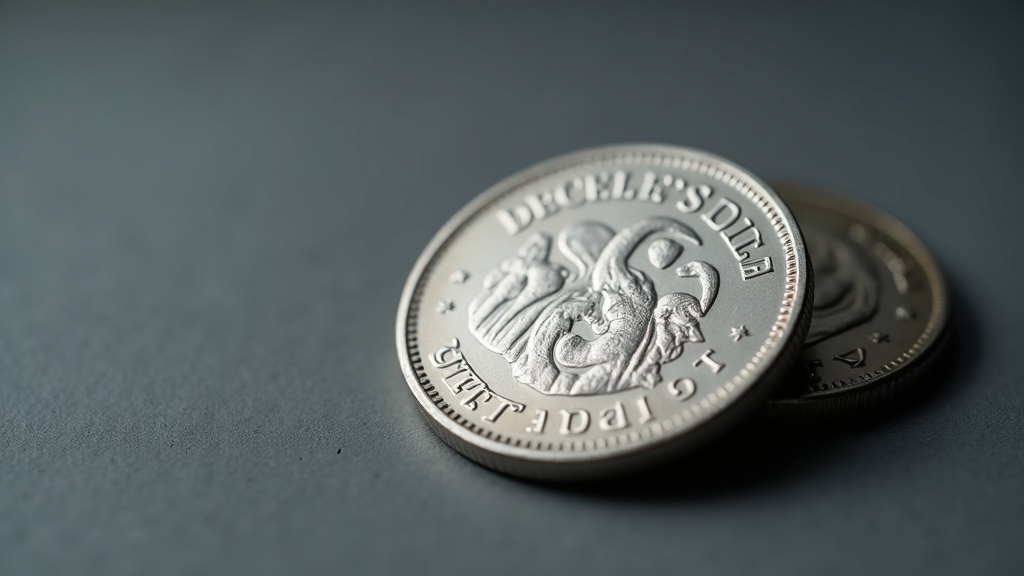
Coin grading is the process of judging a coin’s physical condition — its wear, luster, strikes, marks, and overall eye appeal — and assigning it a standardized rating that lets buyers and sellers compare coins on equal terms. It doesn’t tell you what a coin is worth in dollars, and it isn’t a guarantee of authenticity by itself, though third-party grading services do also authenticate coins as part of their process. In short, grading turns a subjective impression (“this coin looks nice”) into a shared vocabulary that the whole hobby can use.
Why Grading Exists
Two coins of the same date, mint, and design can look wildly different depending on how they were struck, handled, and stored. One may have sharp details and a bright, undisturbed surface; another might be worn smooth from decades in pocket change. Since condition is one of the biggest factors influencing a coin’s desirability alongside rarity and demand, collectors needed a common language to describe it. That’s what grading provides — a way to say “this coin is in this condition” without every buyer having to inspect it in person and form an entirely independent opinion.
The Sheldon Scale, Explained Simply
Most US coin grading today uses a numeric scale from 1 to 70, commonly called the Sheldon Scale after the collector who originally developed it for large cents. The basic idea:
- 1 to 58 generally covers circulated coins, ranging from barely identifiable (very low numbers) up through coins with light wear but still much of their original detail.
- 60 to 70 covers uncirculated (also called “mint state”) coins that never entered general circulation, graded on the quality of their strike, surface preservation, and luster.
- 70 is theoretically flawless under magnification — an ideal that’s rare in practice, especially for older coins.
Letter abbreviations often accompany the number, such as G for Good, F for Fine, XF or EF for Extremely Fine, AU for About Uncirculated, and MS for Mint State. So a coin described as “MS-65” is being placed at grade 65 on the Mint State end of the scale.
What Graders Are Actually Looking At
A grade isn’t a single measurement — it’s a combined judgment of several factors:
- Wear — how much of the original design detail has been worn away by handling or circulation.
- Strike quality — how fully and sharply the coin’s design was impressed by the dies at the mint. A weak strike can leave a coin looking softer even with no actual wear.
- Surface preservation — scratches, nicks, cleaning marks, or corrosion that occurred after minting.
- Luster — the way light reflects off the coin’s surface, which tends to fade or become disturbed once a coin is handled or improperly cleaned.
- Eye appeal — an overall, somewhat subjective impression of how attractive the coin looks, including toning color and centering of the design.
Two experienced graders can occasionally land on adjacent grades for the same coin because some of this judgment is inherently subjective, which is part of why grading services publish detailed standards and why grading remains as much a learned skill as a checklist.
Raw Coins vs. Slabbed (Certified) Coins
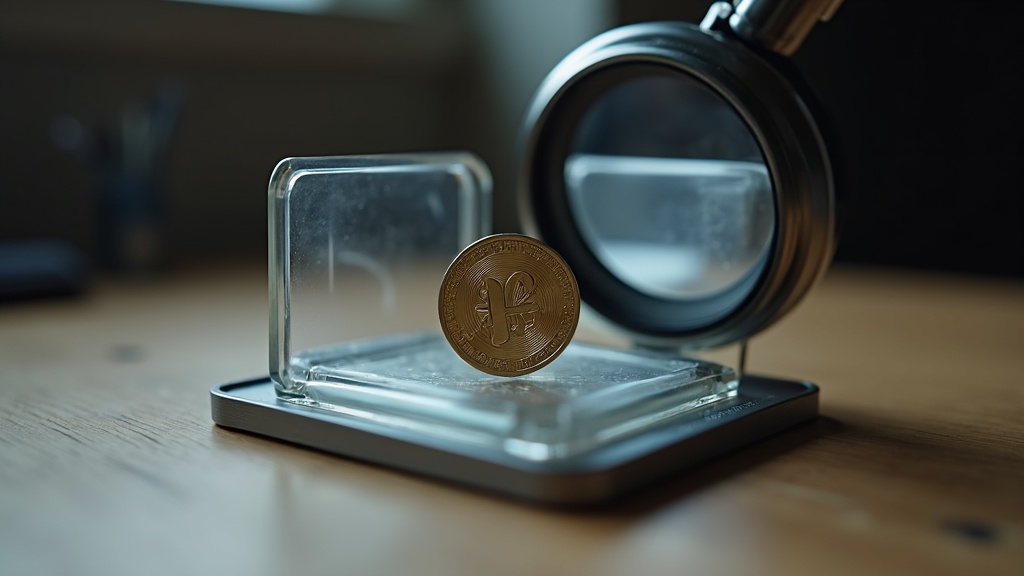
A “raw” coin is simply one that hasn’t been professionally graded and encapsulated — it might be in a flip, a folder, or loose. A “slabbed” coin has been submitted to a third-party grading service, which authenticates it, assigns a grade, and seals it in a tamper-evident plastic holder along with that grade and a certification number.
Certification can matter most for older, rarer, or higher-value coins, where an independent opinion on authenticity and condition reduces disagreement between buyer and seller. For common, modern, or lower-value coins, the cost and time of third-party grading often outweighs the benefit. Neither raw nor slabbed status changes what a coin physically is — it changes how confidently that condition and authenticity can be verified by someone who wasn’t there when it was examined.
Grading Is Not the Same as Valuation
This is one of the most misunderstood points in the hobby: a grade describes condition, not price. Two coins can carry the identical numeric grade and still have very different desirability because of differences in date, mint mark, rarity, or collector demand for that specific issue. Grading tells you how nice an example of the coin is; it doesn’t tell you how many other examples exist, how much interest current collectors have in that series, or what someone might pay for it today. For that, you’d want a current appraisal or a check of live market activity from a reputable source, not just the grade on the holder.
Learning to Read a Coin Before Grading Matters
Before condition or certification comes into play, it helps to simply be able to identify what you’re holding — the coin’s date, denomination, and mint mark are the starting point for any further research. If you’re newer to this, our guide on how to read the date and mint mark on a US coin is a good first stop, and the broader Coin Basics & Identification hub covers the fundamentals that make grading make sense in context.
Why Some Sales Tactics Lean Hard on Grading Language
Because grading sounds technical and official, it’s sometimes used as a pressure point in sales pitches — implying that a high numeric grade automatically means a coin is a rare or exceptional buy, or that a slab guarantees strong future performance. A grade is a condition assessment, not a promise about future value, and no legitimate coin professional will claim otherwise. If you’re ever being rushed into a purchase because a coin is “graded high” or the seller insists you need to decide immediately, that pressure itself is a signal to slow down. A second opinion, an independent appraisal, or simply time to research the coin’s series and population on your own is always a reasonable thing to ask for before a large purchase.
Practical Takeaways
- Grading describes physical condition on a standardized scale — it doesn’t set a price.
- The 1–70 numeric scale, combined with letter designations, is the common framework used across US coin collecting.
- Third-party certification (slabbing) adds an independent opinion on authenticity and grade, which matters more for higher-value or older coins.
- Rarity, demand, and metal content also drive desirability — grade is only one input.
- Be skeptical of anyone using grading terminology to create urgency around a purchase.
Frequently asked questions about coin grading
What does MS mean on a coin grade?
MS stands for “Mint State,” meaning the coin shows no evidence of circulation wear. It’s followed by a number from 60 to 70 that reflects strike quality, surface preservation, and luster, with higher numbers indicating fewer visible imperfections.
Is a higher coin grade always more valuable?
Generally, higher grades reflect better condition, but value also depends on rarity, demand for that specific date and mint, and overall market interest. A common coin in a high grade may still be less sought-after than a rare coin in a lower grade.
Do I need to get my coins professionally graded?
It depends on the coin. Older, rarer, or higher-value coins often benefit from third-party certification for authenticity and resale confidence, while common or modern coins usually don’t justify the time and cost of formal grading.
Can I grade my own coins accurately at home?
You can learn to estimate a general condition range using published grading standards, a good loupe, and reference photos, but precise grading takes practice and experience. For anything of potential significance, an independent professional opinion is worth seeking.
What’s the difference between a raw coin and a slabbed coin?
A raw coin has not been professionally graded or sealed; a slabbed coin has been examined by a third-party grading service, authenticated, assigned a grade, and encapsulated in a protective holder with that grade recorded.
Related reading
Common Coin Collecting Mistakes Beginners Make, Coin Album vs Coin Folder vs Coin Holders.
Gold Coins Today publishes general information about coin collecting and precious metals, not financial, investment, tax or legal advice. We are writers and editors, not certified numismatists, appraisers, financial advisors or dealers. Coin and bullion values change constantly and depend on condition, authenticity and the current market — get a current appraisal or spot price from a qualified, reputable source before buying or selling, and consult a licensed financial advisor before treating precious metals as part of an investment strategy.