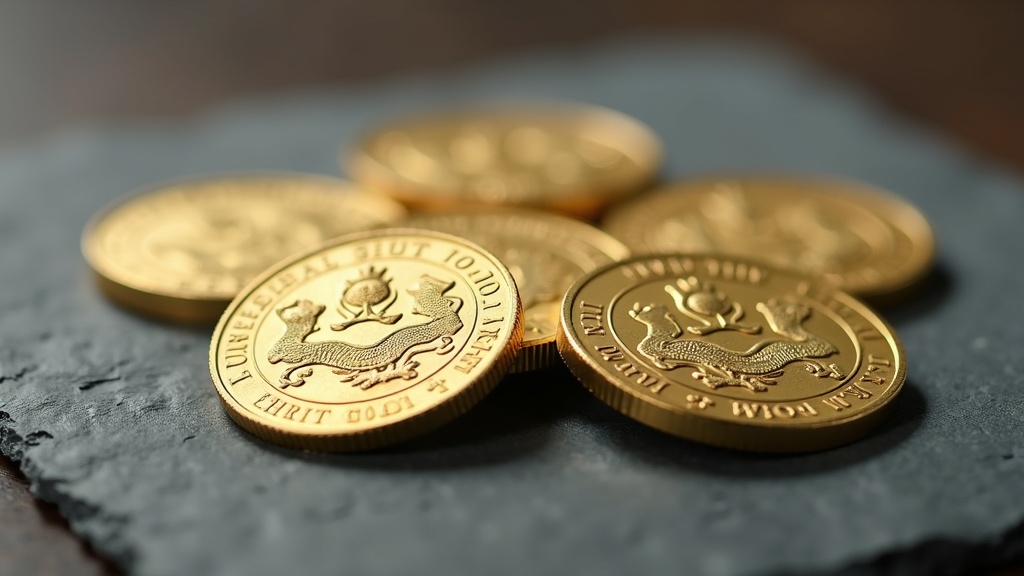
The British sovereign is a gold coin originally issued as circulating currency by the United Kingdom and still minted today, prized by collectors for its long history, its consistent gold content, and its compact size. Modern sovereigns contain a fixed amount of gold in a 22-karat (91.7% pure) alloy, and their value is shaped by that gold content, their condition, their date and mint mark, and current market demand. Understanding these basics helps a reader evaluate a sovereign on its own terms rather than relying on a seller’s pitch.
What is a British sovereign?
The sovereign is a gold coin with a face value of one pound sterling, first struck in its modern form in the early 1800s as part of a currency reform, though coins bearing the sovereign name date back further into English history. It was designed to be a practical trade and circulation coin, and for much of the 19th and early 20th centuries it moved through commerce across the British Empire, which is part of why sovereigns turn up today far from the United Kingdom, in estates and collections around the world.
Production paused and resumed at various points across the 20th century as monetary systems changed, and the Royal Mint has continued striking sovereigns in gold for collectors and bullion buyers, alongside occasional commemorative versions tied to royal anniversaries or historic milestones. Readers who enjoy this kind of monetary history may also find it useful to compare the sovereign’s trajectory with other historic circulating coinage covered in the site’s World & Ancient Coins archive.
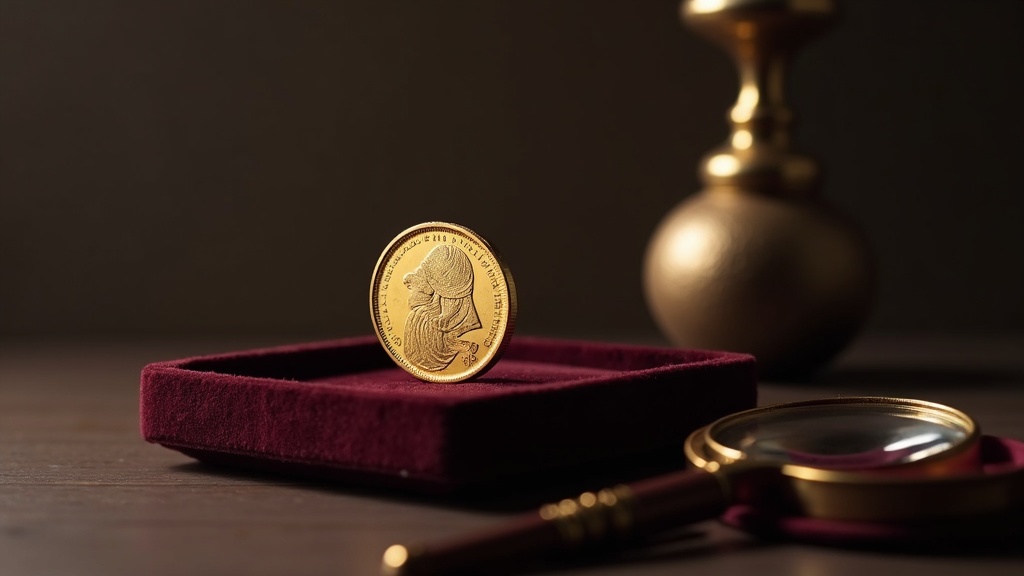
Physical specifications
A standard modern sovereign is struck in 22-karat gold, meaning it is 91.7% gold combined with small amounts of other metal, usually copper, which gives the coin added durability compared to coins struck in finer gold. This alloy choice traces back to the coin’s original role as circulating money, where a coin made of nearly pure, softer gold would have worn down quickly from handling.
The sovereign’s gold weight and diameter have stayed fairly consistent across most of its production history, which is one reason it became a recognizable and trusted trade coin internationally. Because exact weight, diameter, and thickness can vary slightly by era and because counterfeits do exist, anyone relying on a sovereign’s specifications for value purposes should confirm the figures against an official Royal Mint reference or a reputable grading service rather than assuming every sovereign in hand matches a single universal spec.
Design and imagery
The most recognizable modern sovereign design shows Saint George on horseback slaying a dragon on the reverse, a design created in the early 1800s and revived for later issues. The obverse carries a portrait of the reigning monarch at the time of striking, so the sovereign’s front changes across a collector’s reign of interest while the reverse design has remained closely associated with the coin for generations.
Earlier sovereigns, particularly from the 19th century, sometimes carried different reverse designs tied to specific mints or periods, and collectors interested in that variation often build a small run of dates and mint marks to track design and portrait changes over time. This kind of design-driven collecting has parallels with other historic coin series discussed in the site’s US Coins & History section, even though the sovereign itself is a British issue rather than a US one.
Mint marks and where sovereigns were struck
Because the sovereign circulated as money across a global empire, it was struck not only in London but at branch mints in other countries during certain periods, and coins from these different mints carry distinguishing mint marks. Collectors interested in a specific mint of origin, a specific monarch’s portrait, or a particular date range often find that identifying these details takes some practice, similar to learning how to read a date and mint mark on other historic coinage, a skill covered in general terms in the site’s guide on how to read the date and mint mark on a US coin, which explains the underlying logic even though sovereigns use their own mint mark conventions.
What determines a sovereign’s value
Several factors work together to determine what a given sovereign is worth in the current market, and none of them can be reduced to a single fixed number that stays accurate over time:
- Gold content and purity: the underlying gold weight and 22-karat fineness set a baseline tied to the live price of gold, which moves constantly.
- Condition: wear, scratches, cleaning, and overall preservation affect how a sovereign is graded and how collectors and dealers value it beyond raw metal content.
- Date and mint mark: certain years or mint-of-origin combinations were struck in smaller numbers or hold particular historical interest, which can affect demand.
- Authenticity: confirming a sovereign is genuine, rather than a later replica or altered piece, is a prerequisite for any value discussion.
- Market demand: collector interest and bullion demand both shift over time and vary by region.
Because gold prices change by the minute and collector premiums shift with demand, this article won’t quote a dollar figure for what any sovereign is worth. Readers who want a current number should check a live spot price from a reputable financial or bullion-tracking source and, for a coin they own or are considering buying, get an independent appraisal rather than relying on a single seller’s quote.
Grading and authentication
Sovereigns, like other collectible coins, can be professionally graded by third-party services that assess condition and authenticity and encapsulate the coin in a protective holder with that assessment attached. The general logic behind this process, including why collectors value a graded coin’s documented condition, is explained in the site’s overview of what grading services actually do, and readers newer to grading terminology may also want to look at the plain-language explanation in what does coin grading actually mean.
For a coin as widely circulated and, at times, reproduced as the sovereign, checking authenticity matters more than it might for a less commonly counterfeited issue. A coin that has been cleaned, for instance, can look brighter but actually lose value to knowledgeable buyers because cleaning often leaves detectable marks and reduces original surface detail; the site’s guide on how to tell if a coin has been cleaned walks through what those signs generally look like.
Buying, selling, and avoiding pressure tactics
Sovereigns are commonly marketed by bullion dealers and, at times, by companies pitching precious metals for retirement accounts. Legitimate dealers price transparently, don’t rush a buyer into a decision, and welcome questions about a coin’s grading, authenticity, and how its price relates to current gold spot prices. A seller who leans on urgency, fear about currency collapse, or claims of guaranteed appreciation is using a sales tactic rather than giving a straight account of how the market actually works.
Before a significant purchase, it’s reasonable to get a second opinion or an independent appraisal, compare a quoted price against a live spot price, and confirm any grading claims through a recognized third-party grading service rather than taking a single dealer’s word for it. None of this guarantees a particular financial outcome, and precious metals, like any asset, can rise or fall in value; anyone considering sovereigns as part of a broader financial plan should speak with a licensed financial advisor about how that fits their own circumstances.
Getting started as a collector
For someone newer to coin collecting generally, the sovereign is a reasonably approachable entry point into world gold coinage because of its long production run, consistent design tradition, and relatively well-documented history. Readers building out a broader collecting foundation may find it helpful to start with general orientation material such as how to start a coin collection from scratch and a look at common pitfalls in common coin collecting mistakes beginners make, both of which apply just as much to world gold coins as to US series.
Frequently asked questions about British sovereign gold coins
What is a British gold sovereign worth today?
There’s no single fixed figure, since a sovereign’s value depends on its gold content relative to the live spot price of gold, plus its condition, date, mint mark, and current collector demand. Check a current spot price and get an independent appraisal for an accurate current figure.
How much gold is in a sovereign coin?
A modern sovereign is struck in 22-karat gold, meaning it’s 91.7% gold alloyed mainly with copper for durability. Exact gold weight has been fairly consistent across most of the coin’s production history, but readers should confirm specifications for a specific date and issue against an official reference.
Is the British sovereign pure gold?
No, it isn’t pure 24-karat gold. It’s struck in 22-karat gold, an alloy of about 91.7% gold and roughly 8.3% other metal, chosen historically because it made the coin more durable for circulation than a softer, higher-purity gold coin would have been.
How can I tell if my sovereign is real?
Authentication generally involves checking weight, diameter, design details, and edge features against known genuine specimens, ideally through a professional grading service or an experienced appraiser, since sovereigns have been reproduced and altered over the years and casual visual inspection alone isn’t reliable.
Are old sovereigns rarer or more valuable than modern ones?
Not automatically. Rarity depends on the specific date, mint, and how many survive in collectible condition, not simply on age, and some older sovereigns were struck in large numbers while some modern issues are more limited. A current appraisal is the only reliable way to gauge a specific coin.
Gold Coins Today publishes general information about coin collecting and precious metals, not financial, investment, tax or legal advice. We are writers and editors, not certified numismatists, appraisers, financial advisors or dealers. Coin and bullion values change constantly and depend on condition, authenticity and the current market — get a current appraisal or spot price from a qualified, reputable source before buying or selling, and consult a licensed financial advisor before treating precious metals as part of an investment strategy.