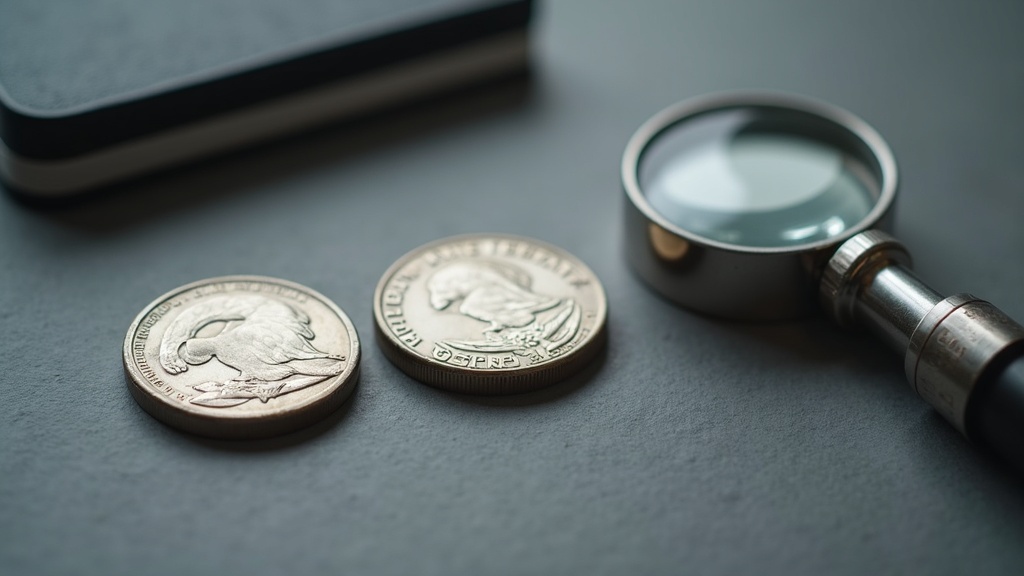
MS, AU, and XF are shorthand terms coin graders use to describe how much wear a coin shows compared to how it looked when it left the mint. MS (Mint State) means a coin has no trace of circulation wear at all. AU (About Uncirculated) means it has only the slightest, often hard-to-see friction from brief handling. XF or EF (Extremely Fine) means the coin circulated but retains sharp, well-defined details. Each abbreviation sits at a different point on a longer scale that runs from heavily worn to flawless.
Understanding these letters matters because grade is one of the biggest factors, alongside rarity and demand, that people consider when discussing a coin’s condition. If you’re new to the hobby, it helps to start with our broader explainer on what coin grading actually means before diving into the specific abbreviations below.
The wear-based grading scale, from worn to pristine
Coin grading in the United States is built around a scale that runs from heavily circulated (barely readable) up through pristine, as-struck condition. The letter abbreviations are simply zones on that scale, each describing a recognizable stage of wear:
- Good (G) and Very Good (VG): Major details visible but flattened by heavy circulation.
- Fine (F) and Very Fine (VF): Moderate wear, most design elements still distinct.
- Extremely Fine (XF or EF): Light wear, fine details like hair strands or feather tips mostly intact.
- About Uncirculated (AU): Trace wear only on the highest points of the design.
- Mint State (MS): No wear from circulation at all; only manufacturing characteristics affect the look.
This system traces back to a numerical scale developed decades ago that assigns every grade a number from 1 to 70. If you want the full numeric breakdown behind these letter groupings, our guide to the Sheldon coin grading scale walks through how a grade like MS-65 or AU-58 gets its number.
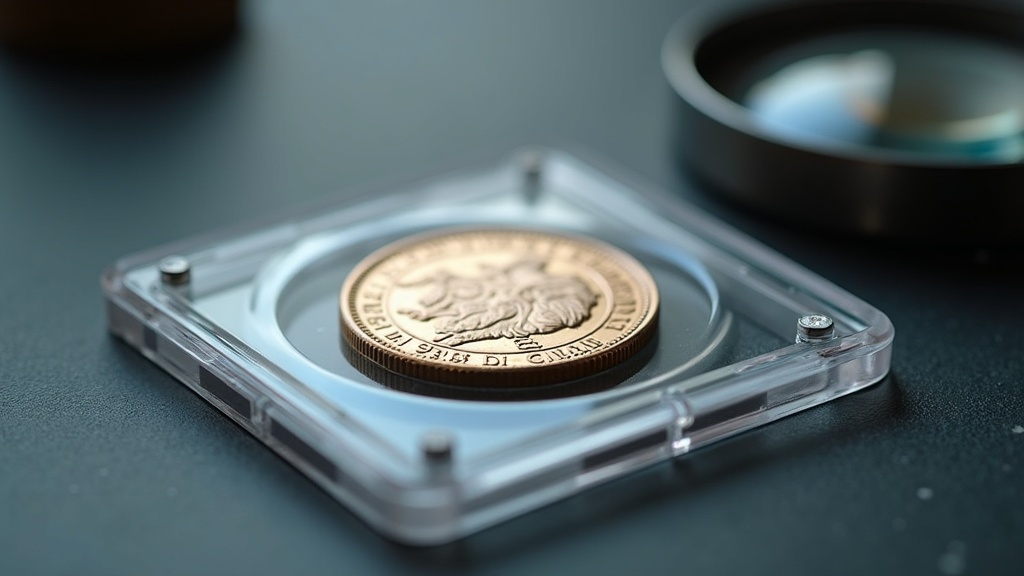
What XF (Extremely Fine) actually looks like
An XF or EF coin has clearly circulated — it passed through pockets, cash registers, and hands — but not for very long, or it was handled gently. Under magnification, you’ll typically see light, even wear across the highest points of the design: the cheek and hair on a portrait, the feathers on an eagle, the leaves on a wreath. The overall design remains crisp and legible, and the coin still has some of its original mint luster left in the recessed (protected) areas, even though the raised areas have softened slightly.
Collectors often value XF coins because they show enough detail to appreciate the design fully while typically being more accessible than higher grades. A coin’s date and mint mark should still be perfectly readable at this grade, which is a good starting point if you’re trying to identify a coin — our walkthrough on how to read the date and mint mark on a US coin covers where to look and what those small letters mean.
What AU (About Uncirculated) means
AU sits directly below Mint State. An AU coin looks, at a glance, almost identical to an uncirculated example — full design detail, strong luster — but under closer inspection (often with a loupe and angled light) a grader can spot small, flat patches of friction on the highest points of the design. This is sometimes called “cabinet friction” or “rub,” and it can result from a coin being handled once or twice, stored loosely, or even just examined by hand shortly after minting.
Within AU, graders sometimes use finer numeric distinctions (such as AU-50 versus AU-58) to describe how close the coin is to true Mint State. A coin graded AU-58 is often described as a “sliding” grade — extremely close to uncirculated but for that trace of wear.
What MS (Mint State) means
Mint State coins show no wear from circulation whatsoever. That doesn’t mean they’re perfect, though. Coins can leave the minting process with their own imperfections — small marks from contact with other coins in a mint bag, weak strikes, die polish lines, or minor toning — and these are evaluated separately from wear. Within the Mint State range, numeric grades from 60 to 70 describe the overall quality of the strike, the amount of contact marks, and the eye appeal of the surface, with MS-70 representing a coin considered flawless under magnification.
It’s worth remembering that MS does not automatically mean “brand new from a bank roll.” A coin struck decades ago can still be Mint State if it was set aside and never entered circulation, while a coin from last year could already show wear if it was heavily used.
A quick side-by-side comparison
| Abbreviation | Meaning | Typical wear level |
|---|---|---|
| XF / EF | Extremely Fine | Light, even wear; design details mostly sharp |
| AU | About Uncirculated | Trace friction on highest points only |
| MS | Mint State (Uncirculated) | No circulation wear; graded on strike and surface quality |
Why the abbreviation matters more than people expect
The difference between XF, AU, and MS can be subtle to an untrained eye, but it’s often the single biggest factor separating one grade tier from the next in how a coin is described and compared to similar examples. This is exactly the kind of detail that predatory sales pitches sometimes gloss over or exaggerate — describing a coin as “practically uncirculated” or “museum quality” without a documented grade behind it. A legitimate seller or grading professional won’t need to pressure you into trusting a grade; they’ll be able to point to visible characteristics or, ideally, a third-party grading certificate. If you’re ever unsure, a second opinion or independent appraisal before a significant purchase is a reasonable and normal step, not an insult to the seller.
For a broader foundation on identifying coins before you even get to grading — mint marks, dates, series, and basic terminology — our Coin Basics & Identification section is a good place to browse.
Self-grading versus third-party grading
Anyone can learn to estimate a coin’s grade using reference photos and a loupe, and doing so is a useful hobby skill. But assigning a precise numeric grade (like distinguishing AU-53 from AU-55) takes considerable experience, consistent lighting, and comparison against many examples. That’s why coins intended for higher-value sales are often sent to independent third-party grading services, which encapsulate the coin in a tamper-evident holder along with a certified grade. Organizations such as the American Numismatic Association offer educational resources on grading standards if you want to go deeper than abbreviations alone.
Frequently asked questions about MS, AU, and XF coin grades
What does AU mean on a coin?
AU stands for “About Uncirculated.” It describes a coin that shows only the faintest trace of wear on its highest design points, with most of its original mint luster still visible, placing it just below full Mint State.
Is MS-63 better than MS-65?
No — within the Mint State range, higher numbers indicate fewer contact marks, a sharper strike, and better overall eye appeal. MS-65 is generally considered a stronger example than MS-63, though both are uncirculated with no wear.
What’s the difference between XF and EF?
Nothing — XF and EF are two abbreviations for the exact same grade, “Extremely Fine.” Different graders and references simply use one or the other, but they describe the same level of light, even circulation wear.
Can I grade my own coins accurately?
You can learn to estimate a general grade range using reference images, good lighting, and a loupe, which is a valuable skill for basic identification. Precise numeric grading distinctions, though, typically require the experience of comparing many certified examples side by side.
Does a higher grade always mean a coin is more valuable?
Grade is one major factor, but rarity, demand, and authenticity also play a large role. Two coins of the same grade can differ in desirability if one is a common date and the other is scarce, so grade alone doesn’t tell the whole story.
Related reading
Common Coin Collecting Mistakes Beginners Make.
Gold Coins Today publishes general information about coin collecting and precious metals, not financial, investment, tax or legal advice. Articles on this site are drafted with AI assistance (see our editorial policy) and are not written or reviewed by certified numismatists, appraisers, financial advisors or dealers. Coin and bullion values change constantly and depend on condition, authenticity and the current market — get a current appraisal or spot price from a qualified, reputable source before buying or selling, and consult a licensed financial advisor before treating precious metals as part of an investment strategy.