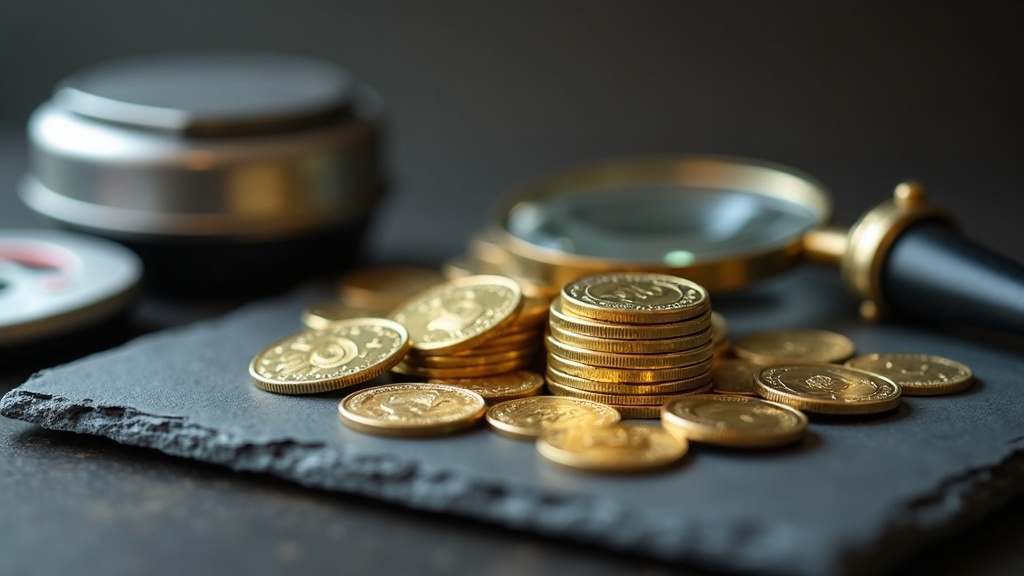
Before buying from a coin dealer, ask about their return and buyback policy, how they price coins relative to melt or market value, whether the item comes with independent grading or authentication, and whether they disclose any cleaning, repair, or restoration. A dealer who answers plainly and doesn’t rush you is generally easier to work with than one who avoids specifics or applies pressure.
Buying coins or bullion is different from most retail purchases because value depends on factors that aren’t always obvious at a glance — purity, condition, authenticity, and demand all shift the picture. Asking the right questions upfront won’t make you an expert, but it will help you tell the difference between a straightforward transaction and one where you’re being steered toward a decision that benefits the seller more than you.
What the coin actually is
Start with basic identification. What is the exact coin — date, mint mark, series, and metal content? A dealer should be able to tell you the fineness of a bullion piece (such as .999 fine silver or a specific gold karat) without hesitation, and point you toward resources like the gold purity, karats, and fineness guide if you want to double-check the numbers yourself. If you’re looking at older US coinage, it also helps to understand how to read the date and mint mark so you can verify what you’re being told matches what’s on the coin.
Is this a bullion coin or a collector coin?
These are priced differently. A bullion coin’s value tracks mostly with its metal content, while a collector or numismatic coin can carry an additional premium tied to rarity, condition, and demand. Ask the dealer directly which category the coin falls into, and if they mention a premium, ask them to explain why — the concept of a numismatic premium is legitimate, but it should be explainable, not just asserted.
How the price is determined
Ask how the asking price relates to the coin’s melt value and to current market pricing. A dealer should be comfortable walking you through what determines a coin’s underlying melt value versus what’s added on top for rarity, condition, or brand recognition (for example, widely recognized bullion series like national mint sovereigns or modern investment coins often carry a modest premium over raw metal content). No one — including this site — should ever tell you a coin is “worth $X” without a current appraisal; instead, ask where the dealer’s pricing reference comes from and whether it updates with live spot prices.
Does the price change with the metal market?
Reputable dealers price bullion off a live or recently updated spot price, adjusted for premium. If a price seems fixed regardless of market movement, or the dealer is vague about how it was calculated, that’s worth probing further.
Authentication and condition
Ask whether the coin has been independently graded or authenticated, and by whom. Third-party grading services evaluate condition and authenticity using consistent standards, and a slabbed coin should list the grade and any notes about damage or alteration. If the coin isn’t graded, ask whether the dealer has checked it for common red flags — you can also learn some of these basics yourself, including how to tell real gold from fake using simple methods, and what to look for when trying to tell if a coin has been cleaned, since cleaning can significantly affect a collector coin’s desirability even when the metal content is unchanged.
Has this coin been cleaned, polished, or repaired?
These alterations often reduce a collector coin’s value even though they don’t change its metal content, and they aren’t always disclosed unless you ask. A dealer should answer directly rather than deflect.
Return policy and guarantees
Ask what happens if you get the coin home and want a second opinion, or if independent testing raises a concern. A clear, written return or refund window is a reasonable thing to expect, especially on a larger purchase. Legitimate dealers generally don’t mind you taking time to think, getting a second appraisal, or comparing prices elsewhere — a policy that discourages this, or a seller who insists you decide on the spot, is a signal to slow down rather than speed up.
Sales tactics worth noticing
This corner of the market attracts some high-pressure sales approaches, particularly around retirement account pitches built on fear-based framing about currency or economic collapse. Legitimate dealers explain their products and pricing calmly and let you take your time; they don’t need urgency or alarm to make a sale. If you feel rushed, or the pitch leans heavily on doom-and-gloom language rather than the coin or bullion itself, it’s reasonable to pause and get an independent opinion before committing to anything, especially a large purchase.
Do they explain premiums and fees clearly?
Ask for an itemized breakdown — the coin’s metal value, the premium, and any shipping, insurance, or storage fees, whether it’s a single coin or a product like bullion coins versus bars. If a dealer bundles everything into one number and resists breaking it down, that’s a fair reason to ask more questions or look elsewhere.
Provenance and documentation
For older or historically significant pieces, ask where the coin came from and what documentation exists. This matters more for ancient and world coins, where hallmarks and assay marks can help confirm origin — understanding how hallmarks and assay marks work gives you a starting point for asking informed questions about a piece’s history, whether it’s a modern bullion coin or something from further back, like the material covered in the World & Ancient Coins hub.
Can I see this coin in hand or under magnification before buying?
Buying sight-unseen from photos alone limits what you can verify. Ask whether you can view the coin in person, request additional photos or video, or have a short inspection window after delivery. A dealer confident in what they’re selling usually has no objection to reasonable scrutiny.
Getting a second opinion
For any significant purchase, it’s reasonable to get an independent appraisal or at least a second look from someone with no stake in the sale. This isn’t an insult to the dealer — it’s a normal part of buying something whose value depends on condition and authenticity rather than a fixed price tag. If you’re new to collecting generally, reviewing common coin collecting mistakes beginners make can also help you spot avoidable missteps before they cost you.
Frequently asked questions about buying from a coin dealer
How do I know if a coin dealer is trustworthy?
Look for clear, itemized pricing, a written return policy, willingness to answer detailed questions without pressure, and transparency about grading or authentication. Checking whether they’re a member of a recognized numismatic association can also be a useful, though not definitive, signal.
Should I buy graded or ungraded coins?
Graded coins from an established third-party service offer an independent opinion on condition and authenticity, which can add confidence, especially for rarer pieces. Ungraded coins aren’t automatically problematic, but you’re relying more on the seller’s word, so ask more questions.
What questions should I ask before buying gold or silver bullion?
Ask about the fineness, the premium over melt value, how the price tracks spot pricing, and any fees for shipping, insurance, or storage. Also ask whether the product is a widely recognized coin or bar series, since recognition can affect how easily it’s resold later.
Is it normal for a coin dealer to pressure me to buy quickly?
No. Legitimate dealers generally allow time for questions, comparison shopping, and independent appraisal, particularly for large purchases. Urgency, fear-based framing about the economy, or discouragement from getting a second opinion are signals to slow down and reconsider.
Can a coin dealer tell me exactly what my coin is worth?
A dealer can offer an opinion or quote based on current market conditions, but coin and bullion values shift with condition, authenticity, and live metal prices. For anything significant, it’s reasonable to seek an independent appraisal or check a current spot price from a reputable source before deciding.
Gold Coins Today publishes general information about coin collecting and precious metals, not financial, investment, tax or legal advice. Articles on this site are drafted with AI assistance (see our editorial policy) and are not written or reviewed by certified numismatists, appraisers, financial advisors or dealers. Coin and bullion values change constantly and depend on condition, authenticity and the current market — get a current appraisal or spot price from a qualified, reputable source before buying or selling, and consult a licensed financial advisor before treating precious metals as part of an investment strategy.