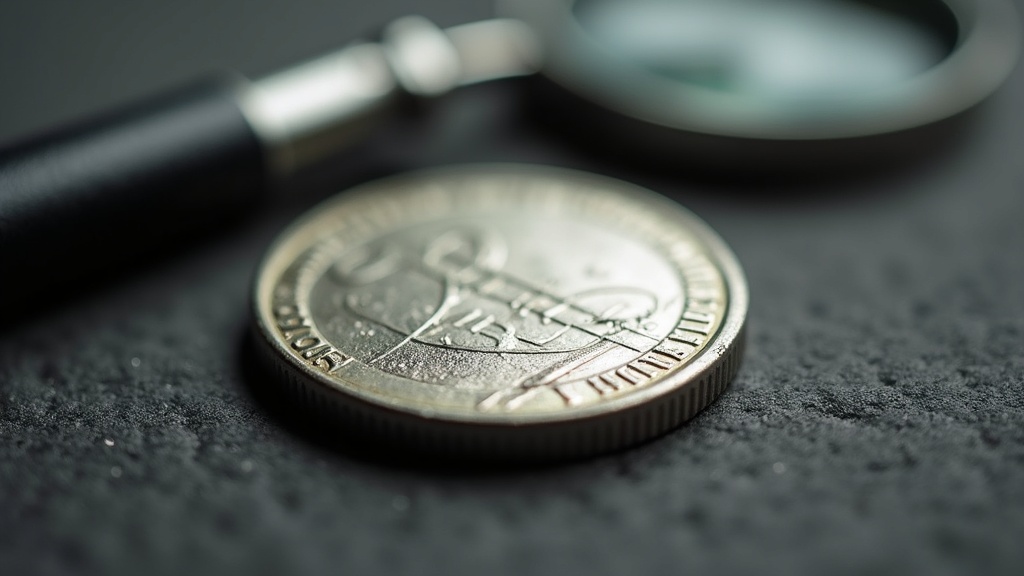
A cleaned coin usually shows itself through unnatural shine, fine parallel hairline scratches visible under angled light, flattened or “wiped” luster in the fields, and color that looks off compared to the coin’s age and metal. None of these signs alone is absolute proof, but taken together they’re what experienced collectors and grading services look for before deciding a coin has been altered from its original surface.
Cleaning is one of the most common reasons a coin’s value and grade take a hit, even when the coin is entirely genuine and otherwise attractive. Understanding what cleaning does physically to a coin’s surface helps you avoid an overpriced purchase and gives you a better sense of what you’re actually looking at when you pull a coin out of a drawer, an estate lot, or a dealer’s case.
Why cleaning matters in the first place
Coins accumulate a natural surface over decades or centuries: microscopic wear patterns, oxidation, and toning that build up slowly and consistently. This original surface is part of what graders and collectors evaluate when they assess a coin, alongside strike quality and wear, topics covered in more depth on pages like what coin grading actually means and the Sheldon coin grading scale. Cleaning — whether it’s a light polish with a cloth, an abrasive dip, or aggressive scrubbing — disturbs that original surface. Even when done “to make the coin look nicer,” it removes fine metal and disrupts the natural light-reflecting pattern called luster, which is very difficult to fake once it’s gone.
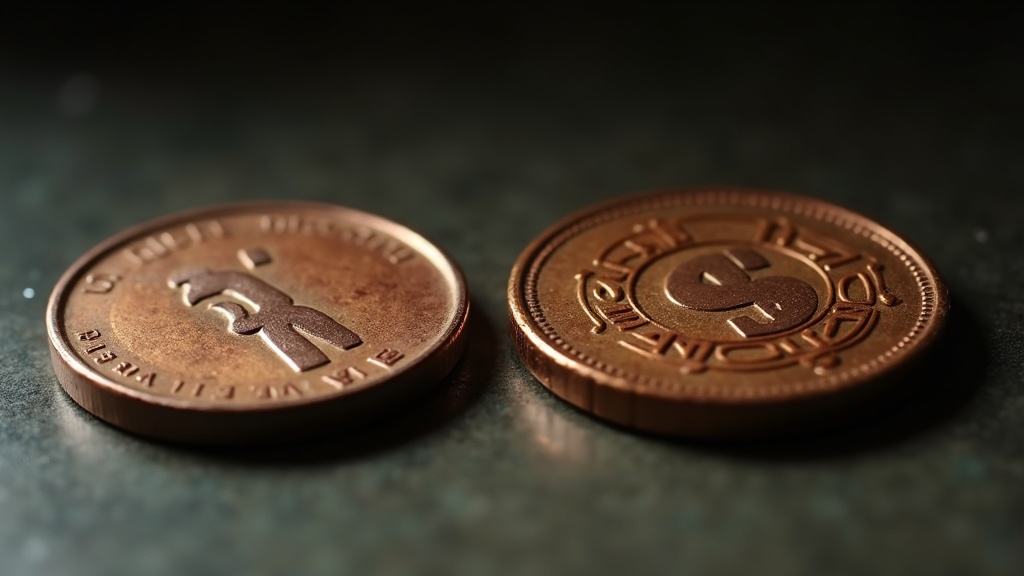
Look for hairline scratches under angled light
The single most reliable visual clue is a pattern of thin, roughly parallel scratches running in one direction across the coin’s fields — the flat, open areas around the design. These are called hairlines, and they’re the fingerprint of a cloth, brush, or abrasive cleaner dragged across the surface. Natural wear from circulation tends to look more random and gradual, following the contact points where a coin would have rubbed against other coins or pockets.
To check for hairlines, hold the coin under a single strong light source and tilt it slowly. Hairlines tend to catch the light and flash brightly from certain angles, then disappear as you rotate the coin. A jeweler’s loupe or a simple magnifying glass in the 5x to 10x range makes this much easier to see than the naked eye.
Unnatural shine versus original luster
Original mint luster has a specific quality: it moves across the coin’s surface in a soft, cartwheel-like pattern as you tilt it, radiating from the center outward. Cleaned coins often have a shine instead — a flatter, more uniform brightness that doesn’t move the same way, or that looks “wrong” compared to the coin’s stated grade. A coin described as lightly circulated shouldn’t look as bright as one described as uncirculated; if the shine doesn’t match the wear pattern, that’s worth a second look. This distinction matters even more with proof coins, which have their own mirror-like finish that’s easy to confuse with a cleaned surface if you’re not familiar with how proofs are struck — a difference explained in more detail on the page comparing proof coins versus business strikes.
Color, toning, and where they don’t belong
Metals oxidize in predictable ways over time. Copper coins typically darken toward brown or develop mottled reddish-brown patches. Silver coins can develop rainbow or gray-blue toning, especially if stored in old paper envelopes or certain album materials. Gold, being far more chemically stable, generally keeps its color for a very long time and rarely tones the way copper or silver does.
Cleaning disrupts this natural coloring. A coin that’s suspiciously bright compared to its date, or one with an oddly uniform color that doesn’t follow the design’s high and low points, may have been dipped in a chemical cleaner or polished. Watch especially for color that’s inconsistent between the fields and the recessed areas of the design — natural toning tends to settle unevenly, while chemical cleaning often strips color evenly across the whole surface.
Texture under magnification
Beyond hairlines, look closely at the texture of the fields versus the devices (the raised design elements, letters, and portraits). A natural, unaltered coin surface has a consistent, slightly granular texture across both areas. Cleaned coins sometimes show a texture mismatch: overly smooth or “wiped” fields next to devices that still carry their original texture, because abrasive cleaning affects flat open areas more than protected recessed details. A loupe is the right tool here too, along with good lighting — a small adjustable desk lamp works better than overhead room lighting because you can control the angle.
A quick comparison of common cleaning signs
| Sign | What it looks like | Why it happens |
|---|---|---|
| Hairline scratches | Thin, parallel lines visible under angled light | Dragging a cloth, brush, or abrasive across the surface |
| Flat, uniform shine | Bright but doesn’t cartwheel when tilted | Polishing or buffing disrupts natural luster pattern |
| Unnatural color | Overly bright or evenly stripped color for the coin’s age | Chemical dips remove natural oxidation layer |
| Texture mismatch | Smooth fields next to normally-textured devices | Abrasion affects open flat areas more than recessed design |
Context clues: date, mint, and expected wear
Part of spotting a cleaned coin is knowing what to expect from it in the first place. A coin’s date and mint mark, which you can learn to read using the guide on how to read the date and mint mark on a US coin, tells you roughly how old it is and how much handling it likely saw if it circulated. Comparing that expected wear against the grading abbreviations explained on the MS, AU, and XF grade guide gives you a baseline. If a coin’s surface looks brighter or smoother than its apparent grade would suggest, that mismatch is a reasonable prompt to look closer rather than assume it’s simply a well-preserved example.
When you’re not sure
Even people who look at coins regularly sometimes disagree about whether a given surface has been cleaned, especially with coins that are naturally lustrous or have light, even toning. This is a case where a second opinion is genuinely useful rather than overkill, particularly before a significant purchase. Reputable third-party grading services examine coins for exactly this kind of surface alteration as part of their process, and a legitimate dealer should never discourage you from seeking an independent look or push you to decide quickly. High-pressure sales tactics, urgency framing, or reluctance to let you examine a coin closely are reasons to slow down, not speed up. For more general background on identifying coins and understanding what you’re looking at, the coin basics and identification section is a good starting point before moving on to grading specifics.
Frequently asked questions about telling if a coin has been cleaned
Does cleaning a coin always lower its value?
Cleaning typically reduces desirability to collectors because it disturbs the original surface, which is a key factor graders and buyers consider. The effect varies by coin, method used, and how noticeable the alteration is, so a current appraisal from a qualified source is the best way to understand any specific coin.
Can a cleaned coin still be graded?
Yes, third-party grading services can still assign a grade, but many use special designations noting evidence of cleaning or environmental damage rather than a standard numeric grade alone, reflecting the surface alteration.
What does a cleaned coin look like under a loupe?
Under magnification, a cleaned coin often shows thin parallel scratches in the flat fields, a texture that looks smoother or “wiped” compared to the design’s raised elements, and color or shine that doesn’t match natural wear patterns.
Is it ever okay to clean an old coin myself?
Most experienced collectors and reference sources advise against cleaning coins at home, since even gentle methods can leave hairlines or strip natural toning, and any alteration is generally difficult to reverse.
How do I know if toning is natural or added artificially?
Natural toning tends to be uneven, following the coin’s design and storage history, while artificial toning can look unusually vivid, patterned, or uniform. When in doubt, an independent look from someone experienced in grading is more reliable than guessing.
Gold Coins Today publishes general information about coin collecting and precious metals, not financial, investment, tax or legal advice. Articles on this site are drafted with AI assistance (see our editorial policy) and are not written or reviewed by certified numismatists, appraisers, financial advisors or dealers. Coin and bullion values change constantly and depend on condition, authenticity and the current market — get a current appraisal or spot price from a qualified, reputable source before buying or selling, and consult a licensed financial advisor before treating precious metals as part of an investment strategy.