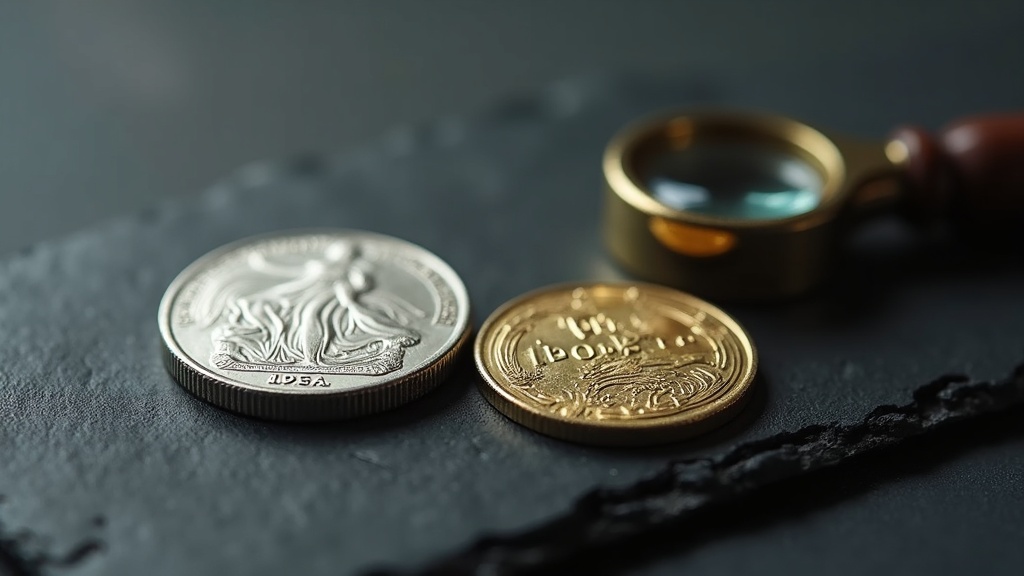
Collectors generally separate the two motivations by asking what they’re actually chasing: a coin’s story, rarity, and condition, or its metal content and market liquidity. Collecting-driven buying prioritizes history, design, grade, and completeness of a set, often regardless of metal price. Investment-driven buying prioritizes purity, weight, and how easily a piece can be resold near its bullion value. Many people do both at once, but naming which goal applies to a given purchase helps prevent confusion later, especially at resale.
Two Different Questions, One Hobby
At its core, the distinction comes down to which question a buyer is really answering. A collector asks, “does this piece fit my interest, fill a gap in my set, or represent something historically significant?” An investor-minded buyer asks, “how much fine metal am I getting, and how reliably can I convert this back to cash near current market value?” Neither question is wrong, and plenty of people move between them depending on the item in front of them. The trouble tends to start when someone applies collector logic to a bullion purchase, or investment logic to a numismatic one, without realizing the frameworks don’t fully overlap.
Anyone new to the hobby can get oriented by browsing the site’s Coin Basics & Identification archive, which covers the vocabulary and mechanics that both collectors and metals buyers rely on before they can even compare the two approaches meaningfully.
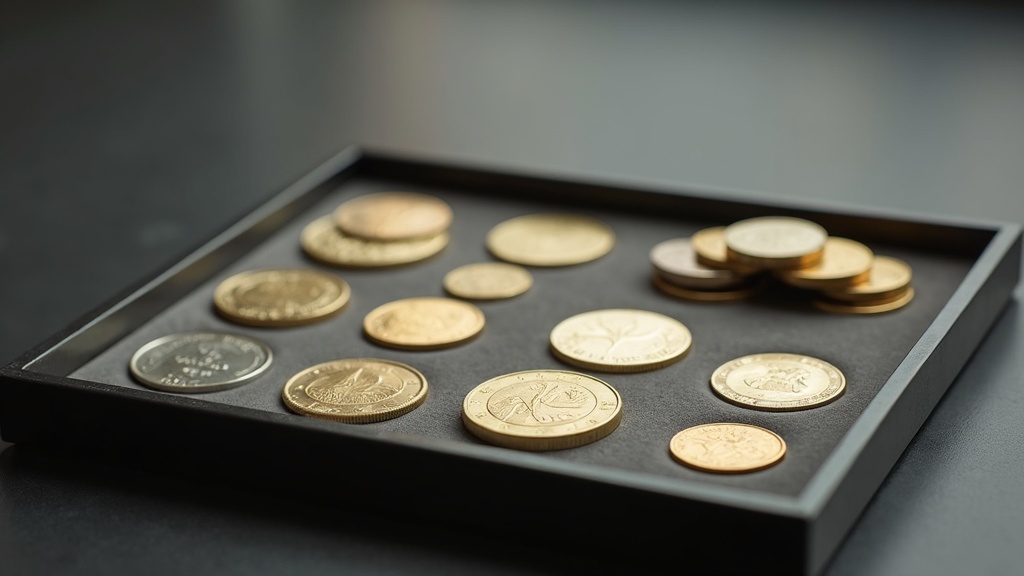
What Collecting-Driven Buying Looks Like
Collectors tend to focus on:
- Historical context — the era, mint, or event a coin represents, which is a major draw in areas like US Coins & History or World & Ancient Coins.
- Grade and eye appeal, since two coins with identical metal content can differ enormously in desirability based on strike, luster, and surface preservation.
- Rarity within a series, including key dates, varieties, or low-mintage issues.
- Completeness of a set — filling a specific date, mint mark, or denomination gap.
- Provenance and documentation, which is why many collectors care about certificates of authenticity and proper grading paperwork.
For collectors, the price paid can reasonably exceed a coin’s raw metal content — sometimes by a wide margin — because the premium reflects scarcity, condition, and demand among other collectors rather than the metal itself. This is the idea behind what’s known as a numismatic premium, and it’s a central concept for understanding why two similar-looking coins can be priced so differently.
What Investment-Driven Buying Looks Like
Buyers focused on the metal itself tend to prioritize:
- Purity and weight, expressed in fineness (like .999 fine silver or 22K gold at 91.7% purity), since these determine the coin’s underlying metal content.
- Liquidity — how quickly and predictably a piece can be sold near the current spot price, which is discussed in more depth in the article on liquidity differences between bullion and numismatic coins.
- Standardized, widely recognized formats such as common bullion coin sizes or bars, rather than one-of-a-kind pieces.
- Minimal reliance on grading nuance, since a well-preserved bullion coin and a lightly worn one of the same weight generally trade close to the same metal-based price.
Someone approaching precious metals this way is usually less concerned with a specific coin’s history and more concerned with how the piece fits into a broader plan, which is why resources like Precious Metals in a Diversified Portfolio and the broader Investing Considerations hub tend to matter more to this group than grading guides do.
Where the Two Approaches Overlap — and Where They Split
The overlap is real: a coin can carry both meaningful metal content and collector interest at the same time. The split shows up most clearly at resale, in how value is determined, and in what documentation matters.
| Consideration | Collecting Focus | Investing Focus |
|---|---|---|
| Primary value driver | Condition, rarity, history | Metal weight and purity |
| Typical resale path | Specialist dealers, shows, auctions | Bullion dealers, refiners, exchanges |
| Documentation that matters | Grading slabs, provenance, certificates | Assay marks, hallmark verification |
| Price sensitivity to daily spot moves | Lower, though not zero | Direct and immediate |
Understanding how numismatic value differs from bullion value is probably the single most useful concept for sorting a purchase into one bucket or the other, since it explains why identical-looking coins can behave so differently in the secondary market.
Why the Distinction Matters Before You Buy
Knowing your own motivation changes what questions are worth asking a dealer, what storage and insurance decisions make sense, and how disappointed or satisfied you’re likely to be at resale. A collector chasing a rare variety in strong condition is buying something whose future demand depends on other collectors’ interest, not just the price of the underlying metal. Someone buying bullion coins or bars for their metal content is making a purchase whose value tracks the broader precious metals market, which is shaped by the kinds of forces described in what drives interest in gold during uncertainty and in understanding volatility in precious metals markets.
This is also where it’s worth pausing before a large purchase of either kind. Legitimate dealers do not need to pressure a buyer into deciding quickly, and a reasonable step before any significant purchase — collector coin or bullion — is a second opinion or independent appraisal, along with checking a dealer’s standing through resources like the guide on how to evaluate a coin dealer’s reputation.
Watching for Pressure Tactics That Blur the Motivations
Some sales pitches deliberately blur collecting and investing language to create urgency — framing a common bullion coin as a rare “limited edition” investment opportunity, or suggesting that a numismatic coin is a guaranteed hedge against economic trouble. Neither collecting value nor metal value moves in a straight line, and no reputable source promises otherwise. If you’re being pushed toward a retirement account holding metals, it’s worth working through the considerations in questions to ask before opening a precious metals IRA before signing anything, and treating high-pressure framing itself as a signal to slow down rather than speed up.
Frequently asked questions about collecting vs investing motivations
Is coin collecting the same thing as investing in gold or silver?
Not quite. Coin collecting focuses on history, rarity, and condition, while investing in gold or silver generally focuses on metal weight and purity. A coin can carry both kinds of value, but the two motivations use different criteria to judge worth.
Can a collector coin also be a good investment?
It can hold both collector appeal and metal content, but its resale behavior depends on which factor buyers respond to most. There’s no guaranteed outcome either way, and any decision should factor in current appraisals rather than assumptions about future demand.
How do I know if I’m buying for collecting or investing reasons?
Ask whether you’d still want the piece if the metal price stayed flat for years. If the answer relates to history, design, or completing a set, that’s a collecting motivation; if it’s purely about metal content and resale ease, that leans toward an investing motivation.
Do bullion coins have collector value too?
Sometimes. Certain bullion coin years, mint errors, or early releases attract collector interest beyond their metal content, but most standard-issue bullion coins trade primarily on weight and purity rather than rarity.
Should I ask a dealer whether a coin is for collecting or investing?
Yes — asking directly helps clarify whether the price reflects metal content, collector demand, or both, and a reputable dealer should be able to explain that distinction clearly without pressuring you toward a quick decision.
Gold Coins Today publishes general information about coin collecting and precious metals, not financial, investment, tax or legal advice. We are writers and editors, not certified numismatists, appraisers, financial advisors or dealers. Coin and bullion values change constantly and depend on condition, authenticity and the current market — get a current appraisal or spot price from a qualified, reputable source before buying or selling, and consult a licensed financial advisor before treating precious metals as part of an investment strategy.