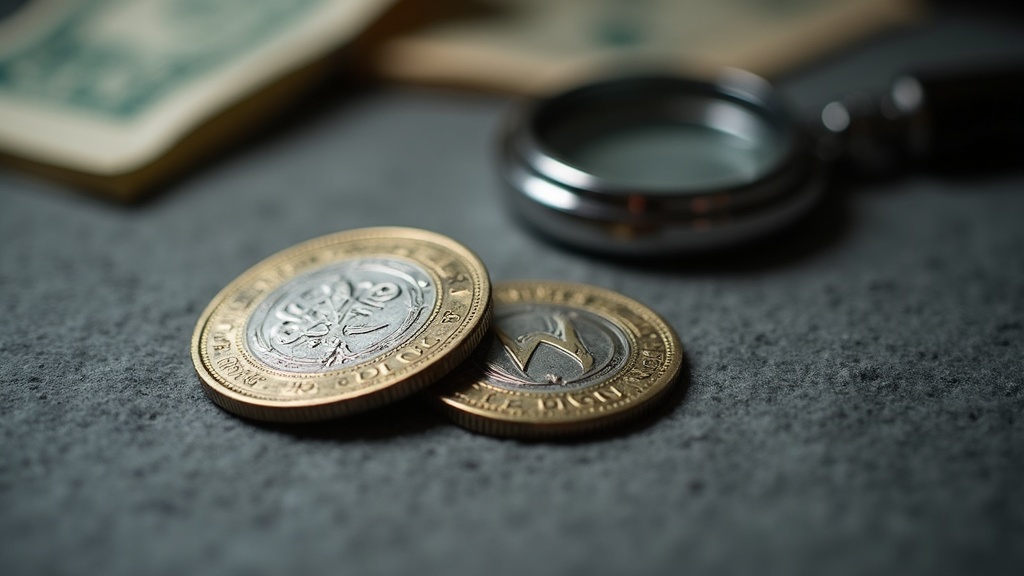
Cleaning a collectible coin almost always lowers its value rather than raising it, because collectors and grading services pay a premium for original, untouched surfaces, and even gentle polishing leaves microscopic scratches that are visible under magnification. What looks like grime to an untrained eye is often just natural toning, which is considered part of a coin’s history rather than dirt to be removed. Once those original surfaces are altered, the change cannot be undone. This is one of the most common and most costly mistakes made by beginners, which is why it comes up so often in discussions of common coin collecting mistakes.
What “cleaning” actually does to a coin’s surface
A coin’s surface is a physical record of everything that has happened to it since it left the mint: the flow lines from striking, the microscopic texture of the metal, and decades of gradual, even oxidation. Cleaning disrupts this record. Abrasive polishing, harsh chemical dips, and even rubbing with a soft cloth can create fine hairline scratches across the coin’s fields, dull the original mint luster, or strip away the natural patina that built up over years. These effects are frequently invisible to the naked eye but obvious under a loupe or to anyone experienced in grading, which is exactly who ends up evaluating the coin later.
Grading services and serious collectors are trained to look for these tell-tale signs, and a coin identified as cleaned is typically treated very differently from one with original surfaces, regardless of its date or design. If you want to understand how those visual cues are spotted, the article on how to tell if a coin has been cleaned walks through the common indicators in more detail.
Why “original surfaces” matter so much to collectors
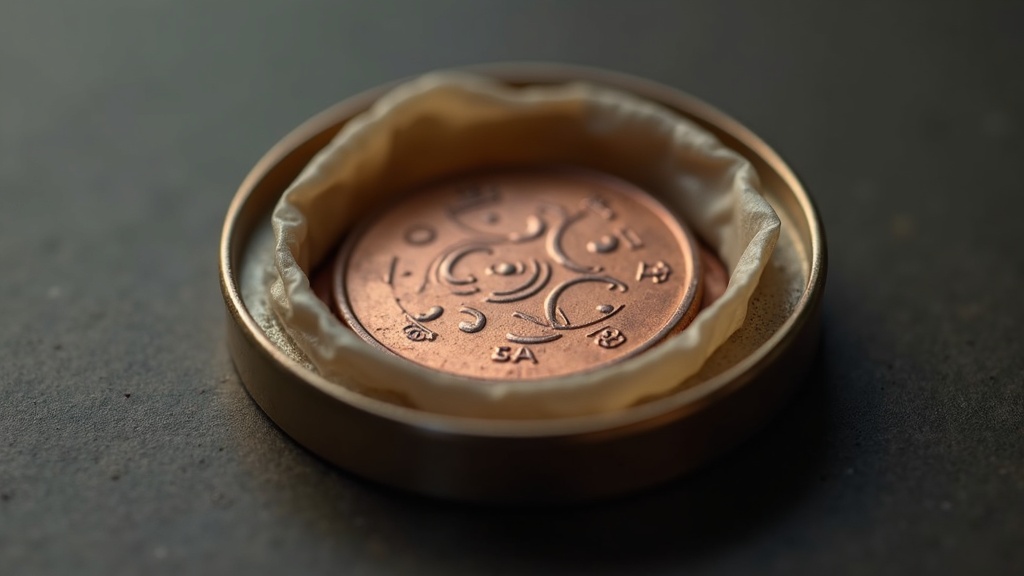
Numismatics places heavy weight on originality. A coin that has never been cleaned, dipped, or altered is preserving information that cannot be recreated once it’s gone. This is part of why the broader field of coin basics and identification spends so much time on surface preservation rather than just design and date. Two coins of the same date, mint mark, and even the same technical grade can be viewed very differently once one is known to have been cleaned, because originality itself is part of what collectors and grading services are assessing.
This is closely tied to the difference between how a coin is graded and what a coin is actually worth in the marketplace. The technical grade describes wear and strike quality, but eye appeal and originality influence how desirable a coin is to buyers. For more on how these pieces fit together, see the explanation of what coin grading actually means and how the Sheldon coin grading scale is applied in practice.
Toning versus dirt: an important distinction
Beginners often assume that a darkened or discolored coin is simply dirty and needs to be restored to a bright, shiny state. In reality, much of that color is natural toning, a slow chemical reaction between the coin’s metal and the environment it has been stored in over time. Attractive, even toning can actually be desirable to collectors, while an artificially bright, “cleaned” coin can look conspicuously wrong to anyone familiar with how coins age naturally. Removing toning doesn’t restore the coin to a better state; it removes a layer of its authentic history.
How cleaning can affect a coin’s value and marketability
Because condition and originality are two of the core factors that determine value, alongside rarity and overall market demand, altering the surface of a coin changes how it’s assessed even if nothing else about it has changed. A coin that would otherwise have been evaluated on its merits may instead be flagged as “cleaned” or “altered,” which affects both the price a buyer is willing to offer and how easily the coin can be resold. This is one of the reasons liquidity can differ so much between pieces that otherwise look similar; the topic is explored further in the discussion of liquidity differences between bullion and numismatic coins.
It’s also worth understanding that this concern applies specifically to numismatic or collectible coins, not to bullion purchased purely for its metal content. A bullion coin’s value is tied closely to its weight and purity, described in detail in the piece on what determines a coin’s melt value, so surface originality matters far less there than it does for a coin being collected for its history, rarity, or design.
Why sellers sometimes clean coins anyway
Occasionally a seller cleans a coin believing it will look more appealing to a buyer, not realizing that experienced buyers specifically look for the signs of alteration. This mismatch between intention and outcome is common enough that it’s worth watching for when buying coins from unfamiliar sources, particularly online where you can’t inspect a coin in hand before purchase. The guide on what to know before buying coins online covers questions worth asking a seller about a coin’s condition and history before committing to a purchase.
What to do instead of cleaning a coin
If you’ve inherited or acquired a coin that looks tarnished, dusty, or discolored, the generally accepted approach among collectors is to leave the surface alone and focus on proper storage going forward. Simple handling changes, like holding coins by their edges and keeping them in inert holders away from humidity and household chemicals, prevent further changes without risking damage. Detailed guidance on this is available in the article on how to store coins to prevent damage, and the broader care and storage archive covers related topics like handling, holders, and environmental controls.
If a coin appears to have unusual dirt, residue, or an unidentified substance on it, rather than attempting to remove it yourself, it’s reasonable to seek a second opinion from someone experienced with that type of coin, or to have it evaluated as part of a formal appraisal. The article on coin insurance and appraisals explains what a professional appraisal generally involves and when it might be worth pursuing, particularly for coins that may have historical or numismatic significance beyond their metal content.
When a coin is part of a larger collection or estate
This issue comes up often with inherited collections, where family members may assume that cleaning tarnished coins will make them more presentable or valuable before a sale. In most cases, the opposite is true, and coins should be left as found until they can be properly assessed. The piece on how estate sales handle inherited coin collections discusses this scenario in more depth, and the guide to how to prepare a coin collection for sale or appraisal outlines steps that don’t involve altering the coins themselves.
If you’re ever approached by someone offering to “restore” or clean coins before a sale, particularly in a high-pressure sales environment, it’s worth remembering that reputable dealers generally don’t push cleaning or urgent action, and a second, independent opinion is a reasonable step before making decisions about a valuable or sentimental collection. More on recognizing pressure tactics in this space is covered in the article on precious metals sales tactics to watch for.
Frequently asked questions about cleaning collectible coins
Will cleaning a coin make it worth more?
Generally no. Cleaning typically lowers a collectible coin’s value because it removes original surfaces and toning that collectors and grading services value, and the alteration is often detectable even after the coin looks shinier.
Is it okay to clean a coin with soap and water?
Even mild cleaning methods can leave microscopic marks or strip natural toning from a coin’s surface. The generally accepted practice among collectors is to avoid cleaning collectible coins entirely and instead focus on proper handling and storage.
How can I tell if a coin has already been cleaned?
Signs include unnatural shine, fine hairline scratches visible under magnification, dull or flat luster in the coin’s fields, and color that looks uneven compared to natural toning. A closer look at these indicators is covered in a dedicated article on this site.
What should I do if I find a dirty old coin?
Leave the surface untouched, handle it by the edges, and store it in a stable holder away from moisture and chemicals. If you’re unsure about its condition or history, an independent appraisal can offer more clarity than attempting to clean it yourself.
Does this rule apply to bullion coins too?
Less so. Bullion coins are typically valued primarily for their metal weight and purity rather than originality or eye appeal, though scratches and damage can still affect how easily they’re bought back or resold.
Gold Coins Today publishes general information about coin collecting and precious metals, not financial, investment, tax or legal advice. Articles on this site are drafted with AI assistance (see our editorial policy) and are not written or reviewed by certified numismatists, appraisers, financial advisors or dealers. Coin and bullion values change constantly and depend on condition, authenticity and the current market — get a current appraisal or spot price from a qualified, reputable source before buying or selling, and consult a licensed financial advisor before treating precious metals as part of an investment strategy.