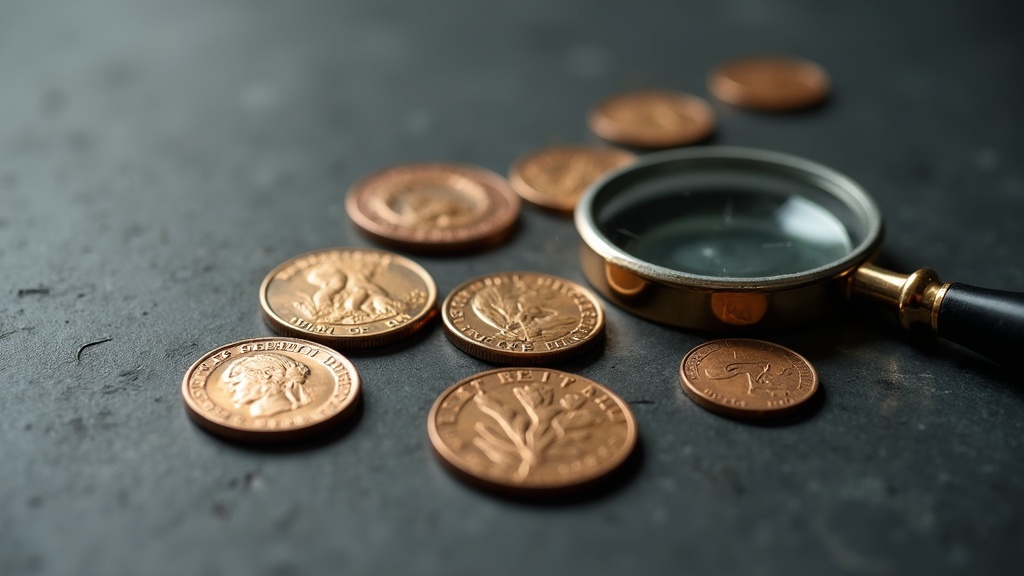
A coin variety is a minor but consistent difference in design, lettering, date, or mint mark that occurs within a single date-and-mint combination, usually because of a change or flaw in the die used to strike the coins. Varieties matter because they can affect scarcity and collector demand independent of the coin’s condition, which means two coins that look nearly identical at a glance can be valued quite differently by people who collect that series closely.
Unlike major design changes, which are intentional and well documented, varieties are often subtle — a repunched mint mark, a doubled letter, or a slightly different date style. Spotting them takes patience and a good eye, and understanding them starts with the basics covered in our coin basics and identification hub.
What counts as a coin variety
Every coin begins as a blank piece of metal struck between two engraved dies — one for the obverse (heads side) and one for the reverse (tails side). Those dies are made through a multi-step process that, especially in older minting eras, sometimes introduced small inconsistencies. When those inconsistencies show up consistently on a batch of coins struck from the same die, numismatists classify them as a variety rather than a one-off accident.
Common categories include:
- Doubled dies — created when the die itself received a slightly misaligned second impression during its manufacture, causing doubling in the design that appears on every coin struck from that die.
- Repunched mint marks — from an era when mint marks were hand-punched into working dies, sometimes more than once and at a slightly different position or angle.
- Overdates — where a die originally engraved with one year’s date was reused and re-engraved with a new date, leaving traces of the old digit visible underneath.
- Die cracks and cuds — raised lines or blobs caused by a die that has worn or cracked, which can define a specific, trackable variety if the damage is significant and consistent.
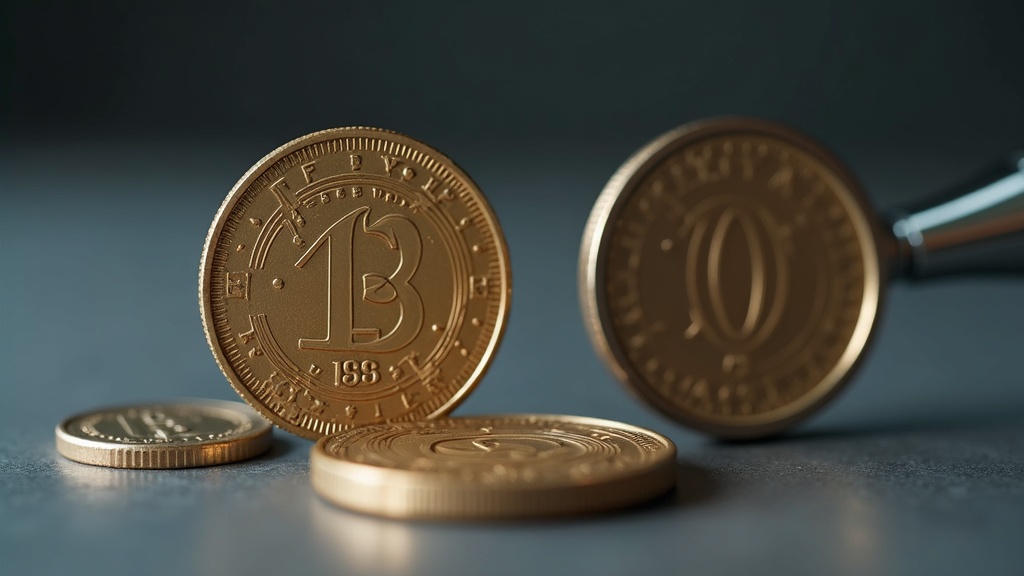
Varieties versus errors: a common point of confusion
People often use “variety” and “error” interchangeably, but they describe different things. A variety is a design difference tied to the die itself and repeats on every coin struck from that die until the die is retired. An error, by contrast, is usually a one-time production mistake — an off-center strike, a coin struck on the wrong planchet, or a blank that never received a strike at all. Some die-related issues, like a doubled die, sit right at the boundary between the two concepts, which is part of why the terminology can feel confusing to newcomers.
This distinction matters when you’re trying to identify a coin, because the reference tools, price guides, and grading services often organize listings differently depending on which category a feature falls into.
Why varieties matter to collectors
Varieties matter for a few interconnected reasons:
- Scarcity within a common date. A date and mint that produced millions of ordinary coins might have only had a small number of dies exhibiting a particular variety, which can make that specific variety much harder to find than the base coin.
- Collector demand. Certain varieties have become well known within specific series and attract dedicated collectors who build sets around them, sometimes independent of overall coin grade.
- Historical and technical interest. Varieties offer a window into how mints operated, how dies were made and reused, and how quality control worked (or didn’t) in different eras — which is part of what draws many people to numismatics in the first place.
- Attribution and documentation. Recognized varieties are usually catalogued with specific reference numbers, which allows collectors and dealers to describe a coin precisely instead of relying on vague description.
None of this means every variety carries meaningfully different demand than the standard coin — many documented varieties are minor curiosities that interest only specialists. The significance of any specific variety depends on how well documented it is, how collectible the series is generally, and how easy the variety is to verify.
How condition and varieties interact
A variety and a coin’s grade are separate concepts that combine to describe a coin fully. Grade describes wear, strike quality, and surface preservation — topics we cover in detail in our explainers on what coin grading actually means and the difference between MS, AU, and XF grade abbreviations. Variety describes what design feature is present. A well-known variety in low grade and the same variety in high grade are still the same variety, but their desirability and typical scarcity within that grade range can differ substantially, which is one of many reasons the Sheldon coin grading scale exists as a shared reference point among collectors.
It’s also worth remembering that a coin’s surface matters just as much as its variety status. A coin that has been cleaned or altered can lose value and eye appeal regardless of how rare its variety is, which is why it’s worth learning how to tell if a coin has been cleaned before assuming a variety find is in original condition.
How to identify a potential variety
Identifying a variety at home generally involves a few steps:
- Confirm the date and mint mark first. Many varieties are specific to a particular year and mint, so reading these correctly is the essential starting point — see our guide on how to read the date and mint mark on a US coin if you’re unsure where to look.
- Use magnification. A jeweler’s loupe or a macro photo taken under raking light can reveal doubling, repunching, or die cracks that are invisible to the naked eye.
- Compare against a trusted reference. Established variety guides and attribution societies maintain catalogs of known varieties with diagnostic photos, which is the safest way to confirm a suspected find rather than guessing from memory.
- Consider strike type. Some features that look unusual are simply the result of how proof coins are struck differently from ordinary circulation coins, a distinction explained in our piece on proof coins versus business strikes.
- Get a second opinion before assuming significance. Many features that look dramatic to an untrained eye turn out to be common die wear or post-mint damage rather than a recognized variety.
A note on hype and high-pressure sales
Because certain varieties have developed reputations for being scarce, this corner of the hobby occasionally attracts sales pitches that lean on urgency — claims that a coin is a “rare error” worth acting on immediately, or bundled offers pushed alongside broader precious-metals sales pitches. A legitimate dealer or numismatist will give you time to verify a variety claim independently and won’t discourage you from getting a second opinion. If you’re ever presented with a coin described as an important variety under time pressure, it’s entirely reasonable to pause and seek an independent look from a qualified grading service or experienced collector before deciding anything.
Frequently asked questions about coin varieties
What is the difference between a coin variety and a coin error?
A variety comes from a consistent feature built into the die itself, such as a doubled letter or repunched mint mark, and repeats on every coin from that die. An error is typically a one-time production mistake during striking, like an off-center coin or wrong planchet.
How do I know if my coin has a real variety or just damage?
Genuine varieties are documented with specific diagnostic points collectors can compare against reference photos. Random scratches, environmental damage, or post-mint alterations won’t match those known diagnostics, so comparing carefully under magnification against a trusted reference is the best first step.
Do all coin varieties make a coin more desirable?
No. Many documented varieties are minor and interest only specialists, while others are widely recognized and actively collected. Desirability depends on how scarce the variety is believed to be, how collectible the series is, and how easy it is to verify.
Where can I look up known varieties for a specific coin series?
Established variety references and attribution guides, along with major grading services’ educational resources, catalog known varieties with diagnostic images for many US series. Comparing your coin against those references, rather than a casual online photo, is the more reliable approach.
Does a variety coin need to be professionally graded to be valuable?
Professional attribution isn’t strictly required, but third-party grading and variety attribution from an established service adds documented verification that many collectors rely on, especially for higher-value or disputed varieties. For anything you believe may be significant, an independent appraisal is a reasonable step before assuming its status.
Gold Coins Today publishes general information about coin collecting and precious metals, not financial, investment, tax or legal advice. Articles on this site are drafted with AI assistance (see our editorial policy) and are not written or reviewed by certified numismatists, appraisers, financial advisors or dealers. Coin and bullion values change constantly and depend on condition, authenticity and the current market — get a current appraisal or spot price from a qualified, reputable source before buying or selling, and consult a licensed financial advisor before treating precious metals as part of an investment strategy.