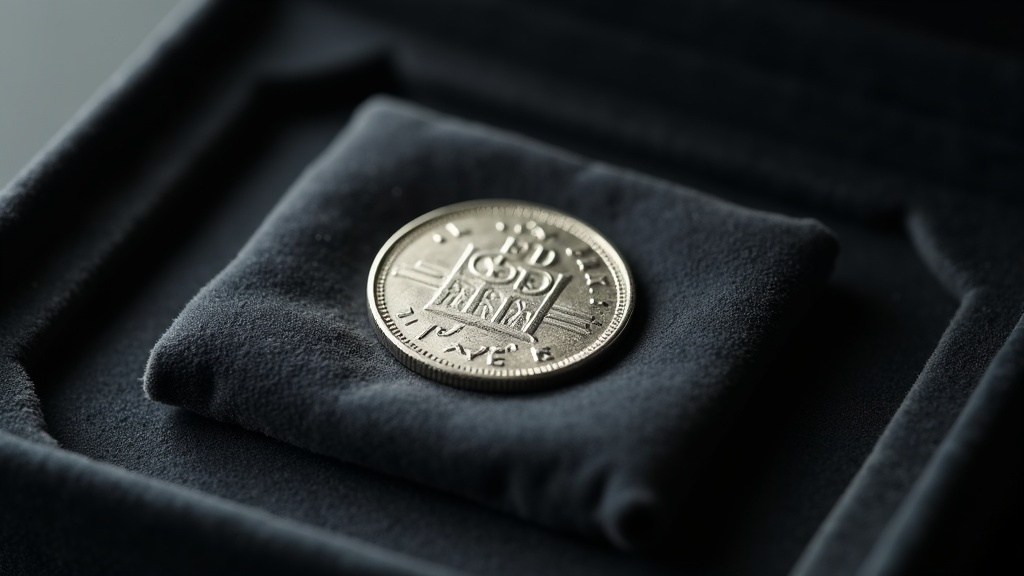
Coins should be picked up by their edges over a soft, clean, padded surface, using clean dry hands or lint-free gloves, and set down gently rather than dropped or slid. Avoid touching the flat faces, talking or breathing directly over an uncovered coin, and stacking coins together, since oils, moisture, and metal-on-metal contact are the most common causes of avoidable damage. The goal is simple: keep skin oils, grit, and hard surfaces away from the coin’s surface at all times.
Why handling technique matters
A coin’s surface is more fragile than it looks. Even a light touch on the obverse or reverse can leave fingerprints that etch into the metal over weeks or months, especially on copper and silver. Grit on a tabletop or a dropped coin bouncing on a hard floor can create scratches or rim dings that a grading service would classify as damage rather than natural wear. None of this is reversible in a way that restores the coin’s original surface, which is one reason collectors are warned never to try fixing a mishandled coin themselves — see why cleaning a collectible coin is almost always a mistake. Prevention, not correction, is the only real strategy here.
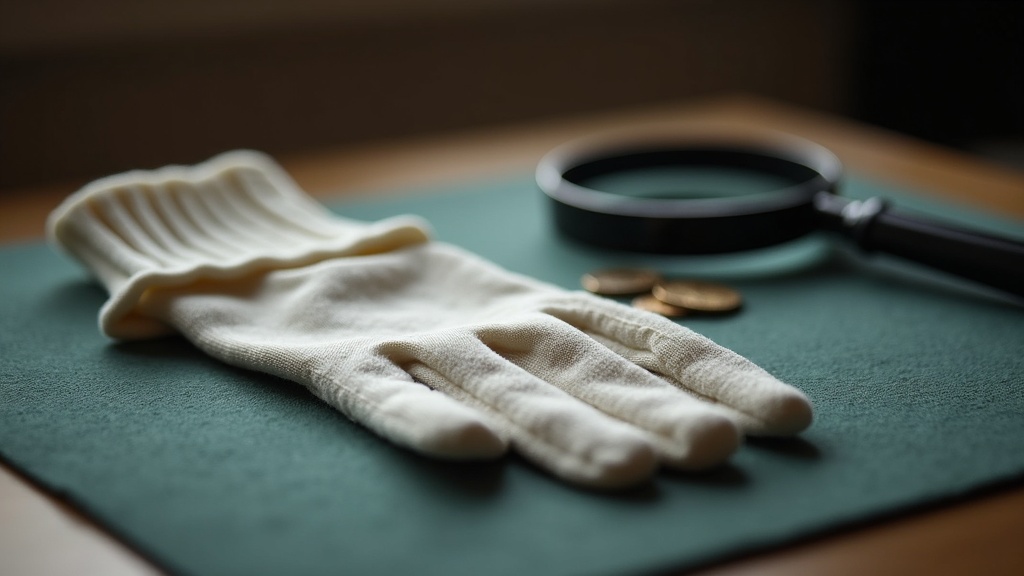
The basic grip: edges only
The safest way to hold a coin is between thumb and forefinger, gripping only the edge or rim. This keeps skin contact away from the fields and design elements where marks are most visible and most damaging to eye appeal. It also reduces the chance of transferring oils that can eventually contribute to spotting or uneven toning, a topic covered in more depth in what causes toning on coins and whether it’s desirable. If a coin needs to be examined closely, hold it over a padded surface so that if it slips, it falls onto something soft rather than a hard tabletop or floor.
Bare hands versus gloves
Clean, dry hands are generally fine for coins already in flips, capsules, or slabs, since the holder is doing the protective work. For raw, uncertified coins — particularly proofs, high-grade examples, or anything with mirror-like surfaces — cotton or nitrile gloves reduce the risk of fingerprints considerably. Whichever method is used, hands should be freshly washed and completely dry, with no lotion, since lotion residue can be just as damaging as natural skin oils.
Set up a proper handling surface
Before taking any coin out of storage, lay down a soft, clean surface: a velvet pad, a folded microfiber cloth, or a dedicated coin mat. This single habit prevents the two most common accidents — a coin slipping from the fingers and a coin being dragged across a hard or gritty surface. Avoid handling coins directly over carpet, concrete, or tile, where a drop can chip a rim or where the coin can pick up dust and fibers. A dedicated tray or shallow box also keeps multiple coins from touching each other while they’re out for viewing.
Never let coins touch each other
Stacking coins, or sliding them against one another to sort them, is one of the fastest ways to create hairline scratches that weren’t there before. Each coin should be handled and set down individually, ideally already separated into its own holder before it’s ever placed near another coin. This is part of why flips, capsules, and albums exist in the first place — they keep coins physically apart as well as protected from air and moisture, a subject explored further in understanding coin holders: flips, capsules and albums.
Environmental factors during handling
Handling damage isn’t only mechanical. Breathing or talking directly over an uncovered coin introduces moisture and can accelerate spotting on copper or silver. Handling coins in a humid room, near an open window, or right after washing dishes nearby can have the same effect. Coins are sensitive to their surrounding air quality even during short handling sessions, which is why collectors who store coins long-term also pay attention to the room’s humidity and temperature, a factor discussed in how humidity and temperature affect coin preservation. A stable, dry, moderate-temperature room is the safest environment for both storage and handling.
Graded and slabbed coins
Coins encapsulated by a third-party grading service are protected by a sealed holder, so the main handling rule shifts from “don’t touch the surface” to “don’t damage the slab.” Slabs should still be held by the edges, kept away from other hard objects that could scratch the plastic, and never forced open, since breaking the seal can affect how a buyer or another grading service views the coin later. If a slab arrives without clear documentation of its grade and certification number, it’s worth understanding what should typically accompany it, covered in what documentation should come with a graded coin.
What to avoid entirely
- Wiping, rubbing, or polishing a coin to make it look brighter or cleaner
- Using tissues, cloth, or cotton swabs directly on a coin’s surface
- Handling coins with wet, sweaty, or lotioned hands
- Letting coins clink together in a pocket, drawer, or bag
- Passing a coin around a group where it changes hands repeatedly
Each of these habits is common and each carries real risk. Even a well-meaning attempt to “clean up” a coin before showing it to someone can permanently reduce its appeal to future buyers or graders, which is why the standing advice in the hobby is to leave a coin exactly as it is and consult a professional if it looks like something needs attention.
After handling: back into proper storage
Once a coin has been examined, it should go back into an appropriate holder rather than sitting loose on a desk or in a drawer. The right combination of holder, container, and storage environment does more to prevent long-term damage than any single handling technique, and it’s covered in detail in the site’s care and storage section as well as in how to store coins to prevent damage. Good handling habits and good storage habits work together — one protects the coin while it’s out, the other protects it the rest of the time.
Frequently asked questions about handling coins
Is it okay to touch coins with bare hands?
Clean, dry, lotion-free hands are generally fine for coins in holders. For raw proof or high-grade coins, gloves reduce fingerprint risk further, since skin oils can etch into bare metal surfaces over time, especially on copper and silver.
Why shouldn’t you touch the face of a coin?
The obverse and reverse carry the design and the surfaces graders and buyers examine most closely. Oils, moisture, and even light pressure there can leave marks or accelerate spotting, while the edge is far less sensitive to incidental contact.
Can dropping a coin actually damage it?
Yes. A drop onto a hard floor or tabletop can create rim dings, edge nicks, or scratches that weren’t there before, all of which are typically treated as damage rather than natural wear when a coin is evaluated.
Does breathing on a coin damage it?
It can contribute to moisture on the surface, which over time may promote spotting or uneven toning, particularly on silver and copper. Keeping coins covered or holding them away from your face while examining them avoids this risk.
Should I wear gloves to handle graded coins in slabs?
Gloves aren’t strictly necessary since the coin itself is sealed, but the slab should still be held carefully by its edges and kept away from anything that could scratch or crack the holder.
Gold Coins Today publishes general information about coin collecting and precious metals, not financial, investment, tax or legal advice. Articles on this site are drafted with AI assistance (see our editorial policy) and are not written or reviewed by certified numismatists, appraisers, financial advisors or dealers. Coin and bullion values change constantly and depend on condition, authenticity and the current market — get a current appraisal or spot price from a qualified, reputable source before buying or selling, and consult a licensed financial advisor before treating precious metals as part of an investment strategy.