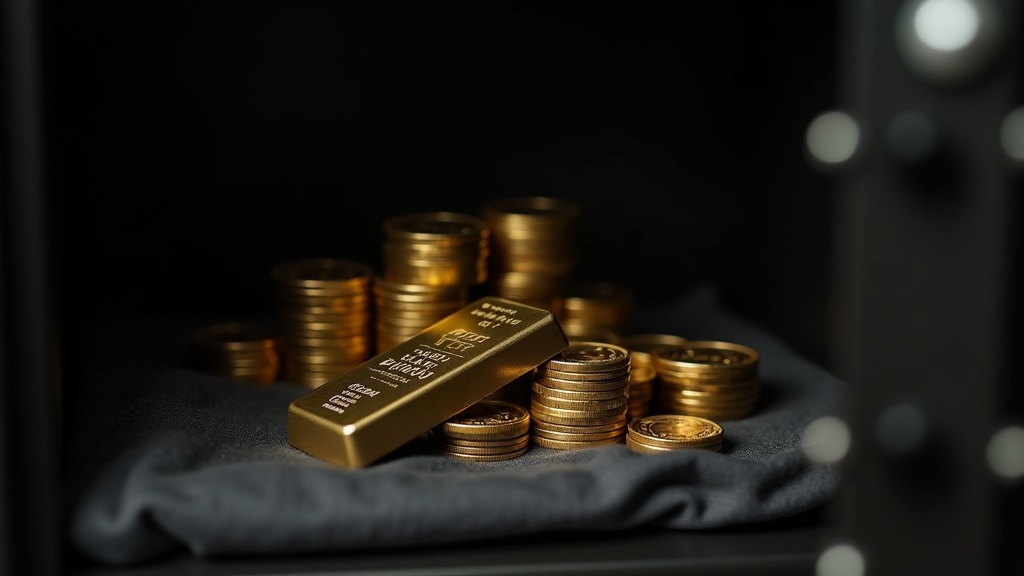
Best practices for long-term bullion storage at home center on three things: controlling the physical environment, limiting who knows the bullion exists and where it’s kept, and keeping documentation that lets you or your heirs verify what you have. No single container or hiding spot solves all three at once, so most people combine a few simple measures rather than relying on one product.
Start with the environment, not the safe
Gold is chemically stable and, kept in reasonable conditions, doesn’t corrode. Silver and platinum-group metals can react to sulfur compounds, humidity and pollutants over long periods, which is why storage conditions matter even for “indestructible” metal. The same principles that apply to coin preservation generally apply here: stable temperature, low humidity, and minimal exposure to air pollutants extend the life of a coin’s surface. If you’re unfamiliar with how environment affects metal surfaces over time, it’s worth reading about how humidity and temperature affect coins before deciding where in the house something will actually sit for years.
A basement that floods occasionally, an attic that swings between extreme heat and cold, or a garage exposed to humidity swings are all poor long-term choices, even if they seem discreet. A closet interior room with stable indoor climate control is usually more protective than a more “hidden” but environmentally volatile space.

Choose containers that protect without trapping moisture
Bullion coins and bars are often sold in mint packaging, tubes, or capsules, and it’s reasonable to keep that original packaging intact since it can support authenticity and condition later. Beyond that:
- Use inert holders rather than PVC-containing flips for anything you intend to keep long-term, since some plastics can degrade and interact with metal surfaces.
- Avoid stacking bare coins directly against each other where rims and surfaces can rub.
- Keep silica gel or another desiccant in an enclosed storage container, and replace it periodically rather than assuming it works indefinitely.
- Separate different metals if you’re worried about tarnish transfer, particularly with silver.
The general logic here overlaps heavily with coin preservation more broadly. If you’re building a storage approach from scratch, the site’s general guide on how to store coins to prevent damage and the overview of coin holders, flips, capsules and albums both cover material choices in more depth than this article can.
Security: discretion matters as much as the safe itself
A home safe is a reasonable component of a storage plan, but the safe itself is only one layer. Bolting a safe to a structural element, choosing a location that isn’t obvious from outside the home, and simply not discussing bullion holdings with people who don’t need to know all reduce risk in ways that don’t cost anything. Fire ratings and burglary ratings on safes are tested under specific conditions and are not guarantees; read the manufacturer’s testing standard rather than assuming “fireproof” means what it sounds like.
It’s also worth thinking about home storage versus third-party alternatives, such as a bank safe deposit box or a private depository, especially as the quantity or value of holdings grows. Splitting storage across more than one location can reduce single-point-of-failure risk, though it also adds complexity to tracking and insuring what you own. A broader comparison of these tradeoffs is covered in the site’s discussion of storage and custody considerations for physical metals, which is worth reading before committing to any single approach.
Bars versus coins: does the form affect storage?
Coins are individually recognizable and often easier to authenticate quickly by weight, dimension and design; bars vary more by manufacturer and sometimes require closer scrutiny of assay marks or accompanying certificates. Neither form is inherently more secure to store, but larger bars concentrate more value in a single object, which can make loss or theft of even one item more consequential. If you’re deciding between formats for other reasons, the explainer on bullion coins versus bars lays out the practical differences in liquidity and verification.
Documentation, inventory and insurance
Long-term storage is not just about the physical metal; it’s about being able to prove what you have if it’s ever lost, stolen, or passed on to heirs. A simple inventory — purchase receipts, photographs, serial numbers on bars, weights and purity markings — kept separately from the bullion itself (a cloud folder, a bank box, or with a trusted family member) can matter far more later than people expect at the time of purchase.
Standard homeowner’s or renter’s insurance policies frequently cap or exclude precious metals, or require a separate rider. It’s reasonable to ask an insurance provider directly what is and isn’t covered rather than assuming. The article on coin insurance and appraisals walks through what documentation insurers typically want and why periodic reappraisal matters.
Watch for pressure tactics around storage products
Because bullion storage is an ongoing concern, it attracts sales pitches for specialty safes, “collapse-proof” storage systems, and urgent-sounding warnings about currency risk. A storage product is a container, not a strategy, and legitimate sellers of safes or storage accessories don’t need to invoke crisis framing to sell a metal box. If you’re evaluating a storage-related pitch, it’s worth reviewing the general patterns described in precious metals sales tactics to watch for, and getting a second, independent opinion before any large purchase — whether that purchase is bullion itself or a storage system marketed alongside it.
Building a simple routine
Rather than treating storage as a one-time decision, it helps to build a light routine: check on humidity indicators a few times a year, confirm the inventory list still matches what’s physically present, and revisit insurance coverage if holdings have grown. None of this requires special equipment or expertise — it’s closer to basic home maintenance than to financial planning. For readers newer to the broader topic, the Care & Storage section and the Precious Metals & Bullion archive both collect related articles on preservation, purity and handling that pair well with a home storage plan.
Frequently asked questions about long-term bullion storage at home
Is it safe to store gold bars at home instead of a bank?
Home storage is a common choice, but “safe” depends on your security setup, insurance coverage, and how discreet you are about holdings. A bank safe deposit box or a private depository shifts some risks elsewhere while adding access limitations, so many people weigh both rather than choosing purely on convenience.
Does silver tarnish if stored properly at home?
Silver can still tarnish slowly even in good storage because it reacts with trace sulfur in the air, but stable humidity, inert holders and sealed containers noticeably slow the process. Tarnish itself doesn’t destroy the metal content, though heavy tarnish can affect appearance and, for collectible coins, desirability.
What’s the best container for storing bullion coins long term?
There’s no single “best” container; inert capsules or tubes that avoid PVC, combined with a stable-humidity enclosure and a desiccant, generally protect surfaces well. The right choice also depends on whether you value quick individual access or bulk, space-efficient storage.
Do I need insurance for bullion stored at home?
Many standard home insurance policies limit or exclude precious metals unless you add a specific rider, so it’s worth confirming coverage directly with your insurer rather than assuming it’s included. Keeping a documented inventory makes any claim process considerably easier.
How often should I check on stored bullion?
There’s no fixed rule, but periodically checking humidity indicators, confirming your inventory still matches your holdings, and reviewing insurance coverage once or twice a year is a reasonable habit for most home storage setups.
Gold Coins Today publishes general information about coin collecting and precious metals, not financial, investment, tax or legal advice. We are writers and editors, not certified numismatists, appraisers, financial advisors or dealers. Coin and bullion values change constantly and depend on condition, authenticity and the current market — get a current appraisal or spot price from a qualified, reputable source before buying or selling, and consult a licensed financial advisor before treating precious metals as part of an investment strategy.