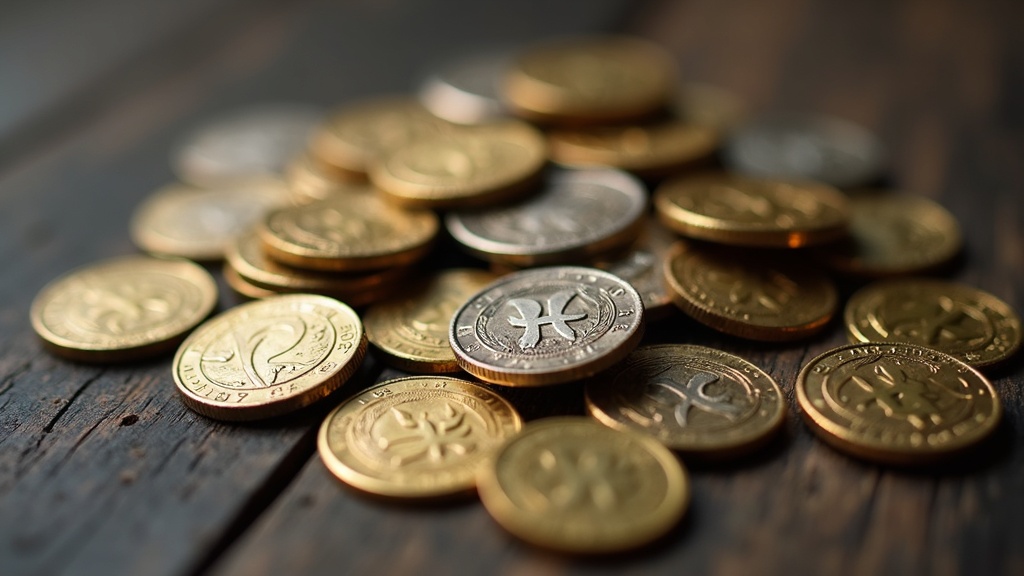
Some of the most famous coin discoveries in history involve hoards buried for safekeeping and never reclaimed, coins recovered from sunken ships, and caches unearthed by farmers, construction crews, or ordinary people out for a walk. These finds matter because they preserve snapshots of currency, trade, and daily life from moments otherwise lost to time, and because they periodically reshape what collectors and historians know about a given era’s coinage.
This article walks through several well-documented hoards and shipwreck recoveries, what made each significant, and what these stories can teach anyone interested in world and ancient coins or US coin history about how discoveries are studied, documented, and eventually distributed to museums, institutions, or collectors.
Why hoards exist in the first place
Before banks were widespread and reliable, burying valuables was one of the few ways to protect wealth from theft, war, or seizure. A hoard is essentially a time capsule: someone hid coins with the intention of retrieving them later, and for reasons lost to history — death, displacement, war, or simple misfortune — they never did. Centuries or millennia later, the ground gives them back.
Shipwrecks tell a different kind of story. Coins and bullion lost at sea were usually in transit as cargo, payroll, or trade currency when a vessel went down. Recovering them requires marine archaeology rather than a shovel, and the coins often carry additional evidence, such as encrustation or corrosion patterns, that helps researchers date and authenticate the find.
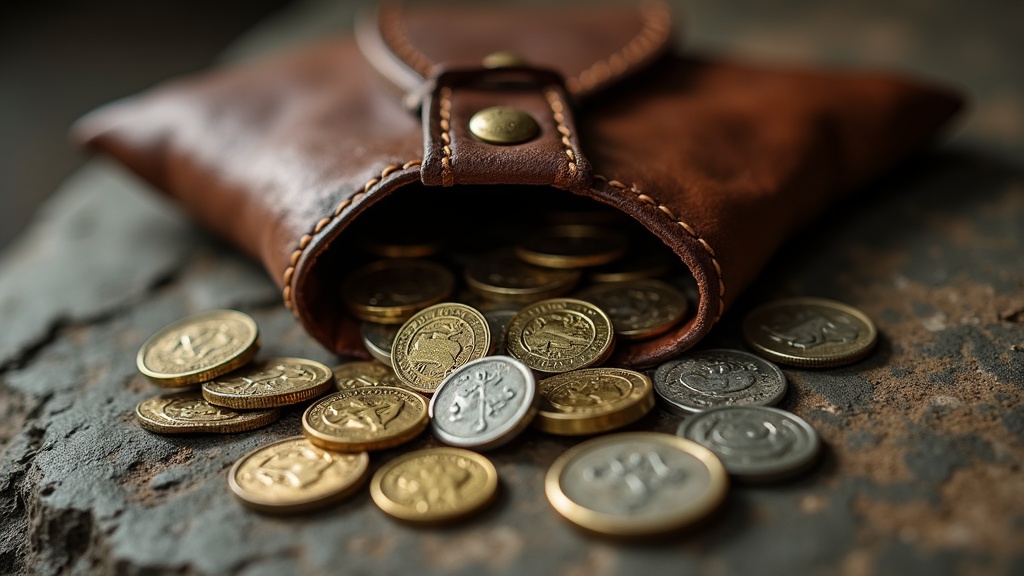
Notable hoards found on land
The Hoxne Hoard
Discovered in Suffolk, England, in the early 1990s by a farmer searching for a lost hammer with a metal detector, this hoard turned out to be one of the largest collections of late Roman-Britain gold and silver coins and jewelry ever found in Britain. It included thousands of coins along with gold and silver objects, all apparently buried in a wooden chest as Roman authority in Britain was collapsing. The find is now held by a national museum and remains a key reference point for studying coinage from that period.
The Staffordshire Hoard
Found in a farmer’s field in England in 2009, this hoard is mostly known for Anglo-Saxon gold and silver metalwork rather than coinage, but it is frequently discussed alongside coin hoards because it illustrates the same basic pattern: precious metal objects deliberately buried, likely during a period of conflict, and left undisturbed for well over a thousand years before modern detection equipment brought them to light.
The Cuerdale Hoard
Uncovered in the 19th century near a riverbank in England, this Viking-era hoard combined silver coins from multiple regions with hacksilver — chopped fragments of silver jewelry and ingots used as bullion currency. It offers a striking look at how Viking Age trade networks moved silver across enormous distances, blending coinage from different mints and cultures into a single pool of value based on weight and purity rather than face value alone.
The Saddle Ridge Hoard
In 2013, a couple walking their dog on their own California property discovered a row of buried metal cans containing well over a thousand gold coins dating mostly to the 19th century. Because the coins were found on private land in the United States, the case also became a notable example of how ownership, authentication, and eventual sale of a modern discovery can play out — a process that typically involves careful documentation, expert authentication, and in many cases eventual private sale rather than public auction.
Notable discoveries recovered from the sea
Shipwreck recoveries add a maritime dimension to the story of hoards. The wreck of the SS Central America, a mid-19th-century steamship that sank off the American coast while carrying gold from the California Gold Rush, is one of the most cited examples. Its cargo of gold coins and ingots sat on the ocean floor for over a century before advances in deep-sea recovery technology made retrieval possible. The find gave researchers physical examples of gold coinage and assay ingots from a period when much of that material had otherwise been melted down over the decades.
Other historic shipwrecks tied to Spanish colonial trade routes have similarly yielded silver and gold coinage, including pieces struck from New World mints that moved bullion across the Atlantic for centuries. These recoveries underscore how much surviving coinage from earlier centuries exists specifically because it was lost rather than spent or melted.
What happens after a coin hoard is found
The legal and practical handling of a discovery varies enormously by country and circumstance, but a few patterns tend to repeat:
- Reporting requirements: Many countries have laws requiring finders to report discoveries of historical significance to a museum, heritage authority, or coroner-style inquest before any sale can happen.
- Authentication and cataloging: Experts examine coins for date, mint, condition, and historical context, similar to the process described in notable coin collections and what made them famous.
- Conservation: Coins recovered from soil or seawater often need careful, professional cleaning and stabilization — a very different process from anything a collector should attempt at home.
- Distribution: Depending on jurisdiction and ownership, coins may go to a museum, be divided between finder and landowner, or eventually reach the market through dealers or coin auctions.
What these stories mean for everyday collectors
Few collectors will ever stumble on a buried hoard, but these stories are still useful. They’re a vivid reminder of why documentation matters: a coin’s history, provenance, and condition materially affect both its historical importance and its market interest, which is why insurance and appraisal records matter even for far more modest collections. They also illustrate why patience and expert input beat rushing to sell. A newly surfaced hoard coin, like any coin, benefits from a proper, independent look before anyone assigns it a value.
It’s also worth remembering that hoard stories are sometimes used in marketing pitches designed to create urgency — “buried treasure could be worth a fortune” narratives that lean on excitement rather than facts. Genuine historical finds are documented through museums, academic publications, and recognized heritage authorities, not through high-pressure sales calls. If you’re ever approached by someone using a dramatic hoard story to push a purchase, it’s reasonable to ask for documentation and to get a second opinion before committing money, the same caution outlined in general discussions of sales tactics to watch for in this market.
Frequently asked questions about famous coin discoveries and hoards
What is the most famous coin hoard ever found?
There isn’t a single agreed-upon “most famous” hoard, since significance depends on era and region, but the Hoxne Hoard, the Staffordshire Hoard, and the Saddle Ridge Hoard are among the most widely cited examples in Roman-Britain, Anglo-Saxon, and American contexts respectively.
Who owns coins found in a buried hoard?
Ownership depends entirely on local law. Some countries require reporting to a heritage authority with compensation to the finder and landowner, while other jurisdictions, including much of the United States, generally treat finds on private property as belonging to the landowner, subject to any agreements with the finder.
Can I clean coins found buried in the ground?
It’s best not to attempt cleaning on your own, since improper cleaning can permanently reduce a coin’s historical and collectible value; a conservator or experienced numismatic professional should evaluate any ground-recovered coin before anything is done to it.
Are shipwreck coins considered more valuable than similar land finds?
Not automatically. Value depends on the coin’s rarity, condition, authenticity, and demand, along with documented provenance, rather than simply where it was recovered; a shipwreck story adds historical interest but doesn’t override the usual factors buyers and appraisers weigh.
How do experts know a hoard is genuine and not a modern fake?
Specialists examine metal composition, minting techniques, wear patterns, corrosion or encrustation consistent with burial or submersion, and the archaeological context of the find itself, often cross-referencing the coins against known mint records and previously documented examples.
Gold Coins Today publishes general information about coin collecting and precious metals, not financial, investment, tax or legal advice. We are writers and editors, not certified numismatists, appraisers, financial advisors or dealers. Coin and bullion values change constantly and depend on condition, authenticity and the current market — get a current appraisal or spot price from a qualified, reputable source before buying or selling, and consult a licensed financial advisor before treating precious metals as part of an investment strategy.